
 E-Paper



Cardiologist with 20 years of experience shares the truth behind GLP-1 drugs and weight loss: ‘Disaster always follows…’

 Prefer HTon Google


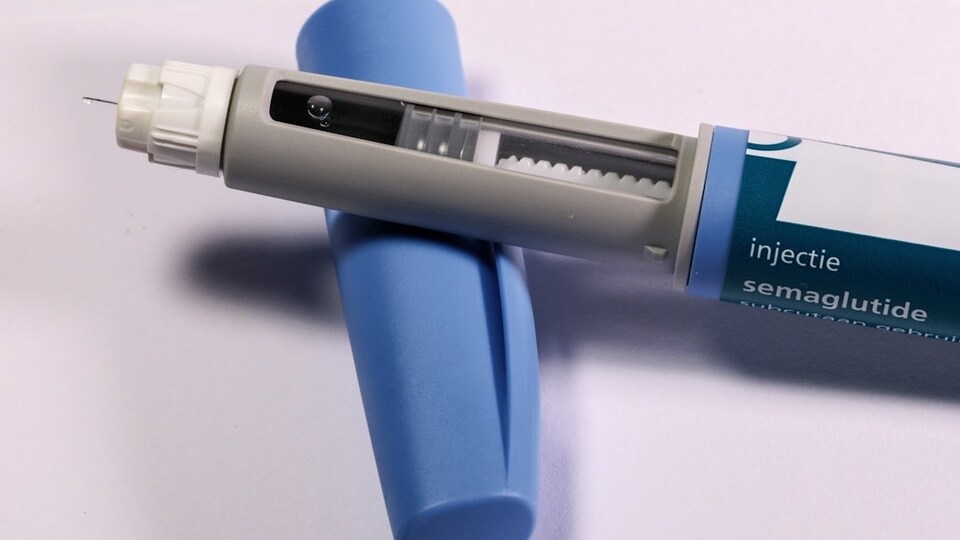
Dr Bhojraj explains that GLP-1 isn’t a medication but a natural hormone, and while it can help, they have side effects and aren’t meant for lifelong use.
Thinking of starting GLP-1 drugs for weight loss? What many people don’t realise is that these medications often involve a far longer commitment than expected. While they can support weight loss by improving appetite and satiety signalling, they are not a standalone fix - and without the right lifestyle foundation, stopping them can be difficult. Understanding how GLP-1s work, what they actually change in the body, and how to build habits that support long-term metabolic health is essential if you want results that last - and eventually, the ability to come off them safely.
Sanjay Bhojraj, an interventional cardiologist and functional medicine expert with over 20 years of experience, is breaking down the science behind GLP-1 drugs, explaining how they work and what they really do when it comes to weight loss. In an Instagram video shared on January 13, the cardiologist highlights the range of side effects associated with these drugs, explaining why the excessive use of artificial hormones can sometimes backfire and disrupt the body’s natural balance.
GLP-1 is not medication
According to Dr Bhojraj, GLP-1 is not a foreign substance but a hormone naturally produced by the body, playing a crucial role in metabolic signalling, appetite control and blood sugar regulation. He explains, “GLP-1 isn’t foreign to your body. It’s a hormone your body already makes. One that plays a role in appetite regulation, blood sugar control, and metabolic signaling. What these medications do is amplify a pathway that already exists.”
When GLP-1 is treated merely as a shortcut for weight loss rather than an important metabolic signal, the cardiologist stresses that it obscures the bigger picture - namely, why these regulatory pathways were not functioning optimally in the first place.
Dr Bhojraj highlights, “I will tell you in my 20 years as a doc, anytime we take something that is secreted by the body or is made by the body and give it in higher than physiologic doses, disaster always follows.”
Side effects of GLP-1 drugs
Dr Bhojraj highlights that many people taking GLP-1 drugs have been experiencing peculiar side effects of taking the drug. He explains, “While people are doing really well with GLP-1 medications, there are side effects that people are experiencing now, and you're hearing about them more and more. Blindness, bowel obstructions, all sorts of different things. And how often have you heard of somebody just eating normal foods and just going blind spontaneously, right? That doesn't happen and these are the unintended consequences of these medications.”
How to support GLP-1 drugs
The cardiologist highlights that relying on GLP-1 medications alone is not enough for meaningful weight loss, as these drugs do not remove weight but instead improve appetite and satiety signalling, helping you make healthier choices. For them to work effectively, this improved signalling must be supported by sustainable lifestyle changes and a healthier daily routine.
He explains, “In practice, I’ve seen that hormones don’t operate in isolation. They respond to sleep, stress, nutrition, movement, gut health, and overall metabolic health. When those foundations are ignored, medication becomes the focus instead of physiology.”
GLP-1s can be helpful for many people, but it is crucial to understand how they work and how to support the body in relearning healthy regulation over the long run. Dr Bhojraj stresses that the long-term goal should be to transition off medication by adopting a genuinely healthy lifestyle. As he puts it, “Otherwise, it's just going to be something that you're on for the rest of your life. That's what the drug companies want. But that's not what your body needs.”
Note to readers: This article is for informational purposes only and not a substitute for professional medical advice. It is based on user-generated content from social media. HT.com has not independently verified the claims and does not endorse them.


Catch your daily dose of Fashion, Taylor Swift, Health, Festivals, Travel, Relationship, Recipe and all the other Latest Lifestyle News on Hindustan Times Website and APPs.


