
 E-Paper



Health coach shares 5 things you must know 'before blindly loading on protein': ‘You don’t need 100g of protein’


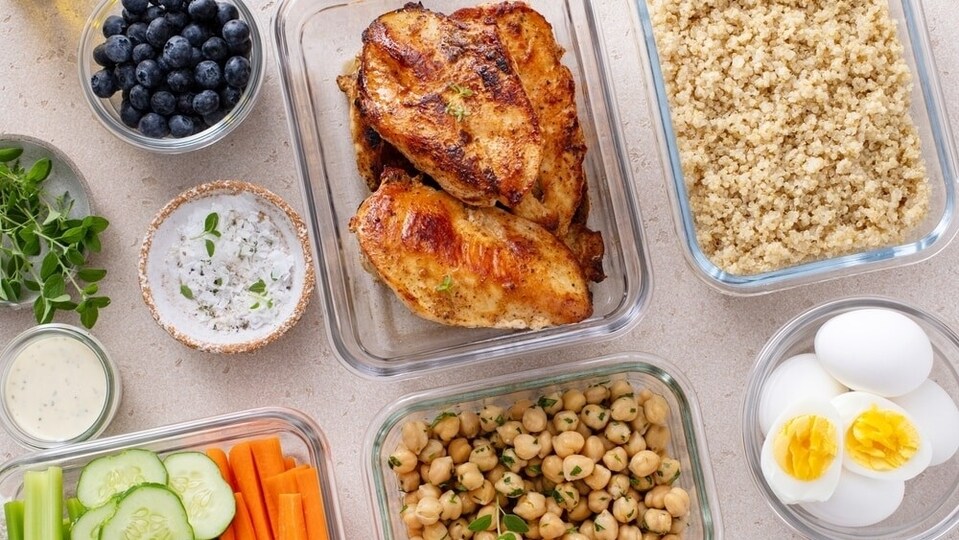
How much protein is too much protein? Heath coach shares the downsides of having too much protein for weight loss.
Among the many weight loss trends circulating online, one of the most popular is increasing protein intake in meals. Protein is known to keep you fuller for longer, reduce cravings, and support muscle building while burning fat. But does that mean we should load up on protein without caution? Also read | 10 high-protein foods that make weight loss easy, according to nutritionist
Health and nutrition coach Nikita Bardia warned against it. On May 15, Nikita shared an Instagram post explaining the downsides of having too much protein. “When I started consuming protein, I also started gaining weight. Things you must know before blindly loading on protein,” she wrote.
1. Protein can still make you gain weight, if you’re in a surplus
If your maintenance is 1800 kcal and you’re eating 2100 kcal (even from clean, high-protein foods), you will gain fat. Calories still matter.
Indian example:
- 150g paneer = 270 kcal
- 1 scoop plant protein = 120 kcal
- 2 tbsp peanut butter = 200 kcal
It adds up fast if you’re not tracking your intake!
2. Not all protein is lean protein
Many Indian sources are protein-fat combos (paneer, peanuts, cheese, dals). You may think you’re eating high protein, but you’re also consuming a lot of hidden fat. Also read | Are you vegan? Nutritionist shares 11 high-protein foods to boost daily protein intake naturally
Better vegetarian swaps?
- Swap paneer for tofu
- Swap peanuts for roasted chana
- Use Greek yogurt (unsweetened, low-fat)
3. Too much protein without strength training = stored energy.
Protein supports muscle repair, but if you’re not lifting or training, that extra protein becomes extra calories, often stored as fat, not muscle.
Twist: Protein doesn’t go to muscle by default. You must give your body the signal (resistance training).
4. Your digestion and kidney function matter.
If you’re bloated, gassy, or feel heavy after high protein meals, your gut might not be ready for that jump. Fix digestion before you double your protein. Add jeera and ajwain water, fermented foods, and chew mindfully.
5. You don’t need 100g of protein overnight.
Start small: 0.8g per kg of your ideal body weight. Then build it up with training and biofeedback. Also read | Too tired to cook? Dietician shares 5 high-protein but easy meals to prepare
Note to readers: This article is for informational purposes only and not a substitute for professional medical advice. Always seek the advice of your doctor with any questions about a medical condition.


Catch your daily dose of Fashion, Taylor Swift, Health, Festivals, Travel, Relationship, Recipe and all the other Latest Lifestyle News on Hindustan Times Website and APPs.


