
 E-Paper



Are you vegan? Nutritionist shares 11 high-protein foods to boost daily protein intake naturally

 Prefer HTon Google


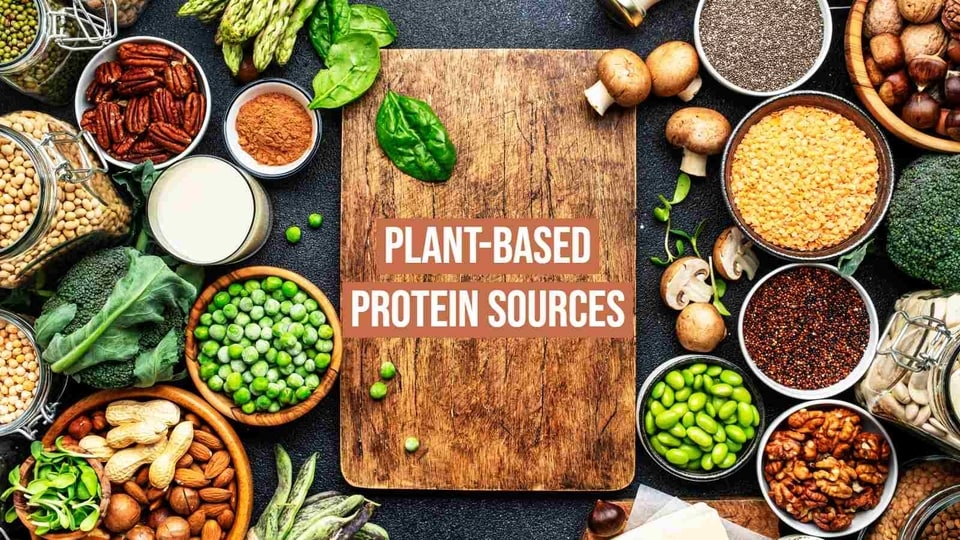
Think you cannot get enough protein without meat or dairy? Here is a list of 11 protein-rich foods for vegans and vegetarians to fulfill their daily needs.
One of the most common myths about plant-based diets is that they do not provide enough protein, especially without meat, eggs, or cheese. But the truth is, there are plenty of high-protein vegetarian and vegan foods that can easily meet your daily needs when included as part of a balanced diet. In fact, plant-based protein sources come with added benefits. Here's why: They are often lower in saturated fat and cholesterol, which can help reduce the risk of cardiovascular diseases over time. So whether you are fully vegan, vegetarian, or just cutting back on animal products, you can still fuel your body with all the protein it needs, naturally.
High-protein foods for vegans and vegetarians
Here are 11 of the best protein-rich foods that can help increase your protein intake if you are a vegan, according to nutritionist and lifestyle educator Karishmma Chawla:
1. Quinoa
Often called a 'super grain', quinoa is a complete protein, meaning it contains all nine essential amino acids your body can't produce on its own. According to the US Department of Agriculture (USDA), one cup of cooked quinoa (185g) offers 8.1 grams of protein. It is also gluten-free, fibre-rich, and can be enjoyed at breakfast.
2. Amaranth
This ancient grain has been a staple in Indian and South American diets for centuries and for good reasons. Like quinoa, amaranth is a complete protein and provides about 9.3 grams of protein per cooked cup (246g), per USDA data. It is also rich in fibre, making it great for digestion and promoting satiety.
3. Hemp seeds
Tiny but nutrient-dense, hemp seeds pack 9 grams of protein in just three tablespoons (30g). They are also loaded with omega-3 and omega-6 fatty acids, as well as minerals like magnesium, iron, calcium, zinc, and selenium. Add them to smoothies, oatmeal, salads, or even homemade energy bars for a quick protein boost.
4. Healthy seeds
Seeds like chia, sunflower and pumpkin, are small but pack a punch. Pumpkin seeds, in particular, contain a good amount of protein and are rich in magnesium, iron, and antioxidants. Along with protein, chia seeds offer fibre and omega-3s, while sunflower seeds are a solid source of vitamin E and selenium. Sprinkle them over yogurt, blend them into smoothies, or enjoy them as a crunchy snack.

5. Dry fruits
Nuts like almonds, walnuts, peanuts, and pistachios are packed with protein. For example, 100g of almonds provides 21.2 grams of protein. Beyond protein, nuts are also rich in healthy fats, fibre, vitamin E, B vitamins, magnesium, and other key minerals. They can help improve your heart health, support weight loss and even boost energy.
6. Lentils
Lentils are a staple in many households. One cup of cooked lentils (198g) packs about 18 grams of protein and over half your recommended daily fibre intake. They are rich in iron and known to promote gut health by feeding beneficial gut bacteria. You can enjoy them in soups, dals, or chilla.
7. Beans and chickpeas
Whether they are kidney beans, black beans, pinto beans, or chickpeas, these legumes are excellent sources of protein and fibre. They also provide iron, folate, manganese, and complex carbohydrates. A study published in Advances in Nutrition have shown that regularly eating beans and legumes can help reduce cholesterol, control blood sugar, and even lower blood pressure. They can also help you lose weight, promoting metabolic health.
8. Green vegetables
You might not think of greens as protein sources, but vegetables like spinach, broccoli, peas, and artichokes actually contribute more protein than most people realize. While their protein content is lower per serving than grains or legumes, they are also packed with essential vitamins, minerals, and antioxidants, which makes them one of the best protein sources.
9. Brown rice with lentils
Brown rice and lentils, when eaten together, form complete protein. While each is missing one or more essential amino acids, together they make up for what the other lacks. This combo is a classic example of how traditional food pairings can deliver balanced nutrition without any animal products. You can enjoy it for lunch or dinner for a filling, fibre-rich meal.
10. Jowar roti with lentil
Jowar (sorghum) roti paired with lentils is a staple in many Indian homes. It is not just filling, it offers a protein-rich meal. When paired, this simple meal offers a good balance of protein, fibre, and complex carbohydrates. Since jowar is gluten-free, it is a safe and suitable alternative for people with celiac disease or gluten sensitivity.

11. Moong dal chilla
Looking for something quick, delicious, and protein-rich? Enter moong dal chilla, a savoury pancake made with ground green gram and veggies. It is easy to prepare, full of flavour, and makes for a perfect breakfast or light dinner option.
Frequently asked questions (FAQs) about protein
1. How much protein do I need per day?
The Recommended Dietary Allowance (RDA) is 0.8 grams of protein per kilogram of body weight (for example, 48g for someone weighing 60kg). Active people may need more, 1.2 to 2 g per kg.
2. Is paneer high in protein?
Yes, paneer is a good source of protein, especially for vegetarians. Only 100 grams of paneer contains about 18 grams of protein. It is also rich in calcium and healthy fats.
3. Do oats have protein?
While oats are primarily known for their fibre content, they also provide a decent amount of protein. A 1/2 cup of dry oats (about 40g) contains roughly 5 grams of protein. Mix oats with milk, nuts, seeds, or yogurt to boost the protein content of your meal even more.


Catch your daily dose of Fashion, Taylor Swift, Health, Festivals, Travel, Relationship, Recipe and all the other Latest Lifestyle News on Hindustan Times Website and APPs.


