
 E-Paper



Hepatologist explains how gut influences memory, mood and mental wellbeing; unpacks why gut may be the ‘second brain’

 Prefer HTon Google



Gut-brain axis plays a role in maintaining mental health, shaping key cognitive functions and regulating moods. Hepatologist Dr Amey Sonavane explains how.
Several cognitive functions, such as memory, thinking, and concentration, don’t just stem from brain activity alone; they are also deeply influenced by gut health. This further demonstrates the importance of gut health in maintaining overall well-being, as it has the ability to influence major functions, including immunity and mental performance. In an interview with HT Lifestyle, Dr Amey Sonavane, consultant hepatology, AHNM, explained how key brain functions are connected to gut health.
He said, “Memory and brain function are also closely linked to gut health. The gut sends signals to the brain that affect focus, memory, and even decision-making. When gut bacteria are in poor shape, they can produce chemicals that travel through the bloodstream to the brain, potentially increasing inflammation and contributing to cognitive decline. Some early studies suggest that changes in gut bacteria may appear even before signs of memory loss or Alzheimer’s disease show up. This makes the gut an important area to watch, not just for digestion, but for long-term brain health.”
Let’s take a closer look at the gut-brain axis and explore the fundamentals of this connection, from the microbiome and the chemicals that make the gut the ‘second brain’ to how your diet can help support this bi-directional relationship.
Role of microbiome
The microbiome is one of the vital factors at play that form the bedrock of the gut-brain axis, shaping and influencing major cognitive functions and mood regulation. While the gut-brain axis may seem complex, the gut microbiome holds the answers and simplifies it.
Dr Amey spoke about the role of microbiome and explained, “Over the past few years, scientists have discovered something quite remarkable - your gut does a lot more than digest food. Inside your digestive system lives a massive population of bacteria and other tiny organisms, collectively called the gut microbiome. These microorganisms affect how you feel, how your body handles food, and even how your brain works. In simple terms, your gut could be quietly shaping your mood, metabolism, and memory every single day.”
Gut is the second brain for mood

While cognitive functions like memory, concentration, attention, decision-making, and processing are shaped by gut health, even emotions can be influenced by what's going on in your gut. It signifies the powerful role of gut health, influencing both mind and mood.
Dr Amey shed light on the connection to mood regulation and said, “The gut and the brain are constantly in touch with each other through a network known as the gut-brain axis. In fact, the gut is often called the ‘second brain' because it produces many of the same chemicals that your brain does.”
“For example, about 90 percent of your body's serotonin, a chemical that influences mood, is made in the gut. It regulates things like gut motility, secretion, and blood clotting. If the balance of bacteria in your gut is disturbed, it can trigger low moods, anxiety, or even depression. New research shows that improving gut health can actually help some people feel mentally better, giving rise to what are now being called ‘psychobiotics', probiotics that support mental health,” he added.
Brain-friendly foods
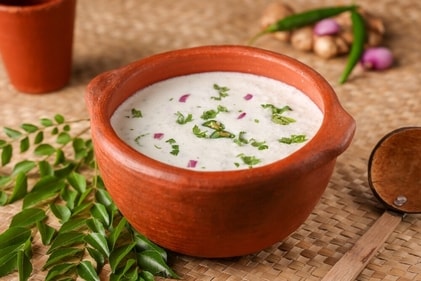
If the role of gut health in mental wellbeing feels intimidating because it's something that is beyond your conscious control and awareness, but it turns out you can actively take charge and consciously support this gut-brain axis by adding gut-healthy food to your diet. The hepatologist shared some gut-healthy foods and warned against one common habit.
Dr Amey suggested, “Traditional Indian diets actually offer a natural advantage. Fermented foods like curd, buttermilk, dosa, and idli are full of beneficial bacteria. Fruits, vegetables, whole grains, and lentils feed the good microbes in your gut and help keep harmful ones in check. On the other hand, overuse of antibiotics, low-fibre diets, stress, and lack of physical activity can damage the microbiome.”
Note to readers: This article is for informational purposes only and not a substitute for professional medical advice. Always seek the advice of your doctor with any questions about a medical condition.


Catch your daily dose of Fashion, Taylor Swift, Health, Festivals, Travel, Relationship, Recipe and all the other Latest Lifestyle News on Hindustan Times Website and APPs.


