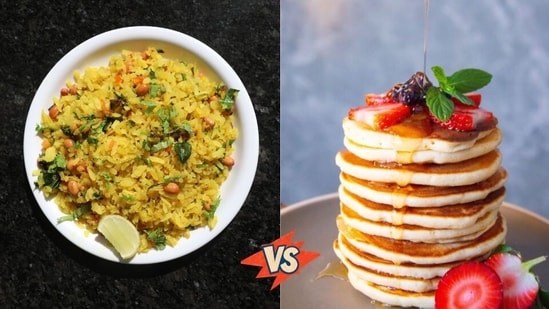
There has long been a tug-of-war between Indian and Western breakfast options when it comes to nutritional value. While Indian breakfasts are often considered more wholesome and fulfilling, Western options are frequently perceived as healthier.
In this edition of ‘Indian Food Decoded’, HT Lifestyle spoke to Lakshmi Kale, head nutritionist at Nutrition In Sync, to break down the nutritional differences between the two and understand which breakfast options may be better for you.
Also read | Is it actually worth it? Should you drink lemon water every morning? Expert breaks down the real benefits and myths
Are Indian breakfasts healthier than Western ones?
“Somewhere along the way, we started believing that healthy food has to look Western,” highlighted Lakshmi Kale. A bowl of Greek yoghurt, overnight oats, avocado toast, granola, and sourdough sounds healthy, and suddenly, our poha, idli, dosa, upma and paratha started looking unhealthy.
But here’s the thing. Your breakfast does not become healthier just because it comes with an English name.
{{/usCountry}}But here’s the thing. Your breakfast does not become healthier just because it comes with an English name.
{{/usCountry}}According to Lakshmi Kale, traditional Indian breakfasts can actually be incredibly well-balanced. Idlis with sambar give you carbohydrates, protein and fibre. Poha with vegetables and peanuts becomes more nutrient-dense and filling. Moong dal chilla with curd or paneer can be a protein-rich option. Dosa with sambar and chutney can also make a wholesome meal.
These foods were not designed in a wellness lab. They evolved from what was locally available, affordable and culturally familiar. “But let's not blindly glorify Indian food either,” added Lakshmi Kale.
A plate of deep-fried puris, sugary chai and a huge serving of potatoes can be heavy on refined carbohydrates and fats while giving you very little protein or fibre. And Western breakfasts have the same problem.
Eggs with vegetables, whole-grain toast and fruit can be an excellent breakfast. Greek yoghurt with nuts, seeds and fruit can give you protein, fibre and healthy fats. But sugary cereal, muffins or pancakes drowning in syrup aren't suddenly healthy because they look aesthetic on a breakfast table.
The problem isn't Indian versus Western. The problem is that we have started judging health by appearance and culture instead of nutrition.
What actually matters?
Is there enough protein?
Are you getting fibre?
Are you eating minimally processed foods?
Are there vegetables or fruit?
Are you relying heavily on added sugar and refined carbohydrates?
“And this is where I think we need to rethink the way we approach healthy eating. You don't have to westernise your plate to improve your health,” said Lakshmi Kale.
How to eat right?
You can upgrade the food you already eat. According to Lakshmi Kale, add vegetables and peanuts to your poha, have sambar with your idli or dosa, make your chilla with more dal and add paneer or curd, pair your paratha with eggs, curd or another protein source. And if you love avocado toast or overnight oats, eat them. There is absolutely nothing wrong with that either.
Healthy eating doesn't have a nationality. Before you replace your entire breakfast because someone on Instagram told you that their food is healthier, take another look at your own kitchen.
“Maybe you don't need to leave your food culture behind; maybe you just need to understand it better,” concluded Lakshmi Kale.
Note to readers: This article is for informational purposes only and not a substitute for professional medical advice. Always seek the advice of your doctor with any questions about a medical condition.
Catch your daily dose of Fashion, Taylor Swift, Health, Festivals, Travel, Relationship, Recipe and all the other Latest Lifestyle News on Hindustan Times Website and APPs.
Catch your daily dose of Fashion, Taylor Swift, Health, Festivals, Travel, Relationship, Recipe and all the other Latest Lifestyle News on Hindustan Times Website and APPs.