
 E-Paper



Is your baby’s birth sex really random? Shocking new study reveals what decides if it is a boy or girl

 Prefer HTon Google


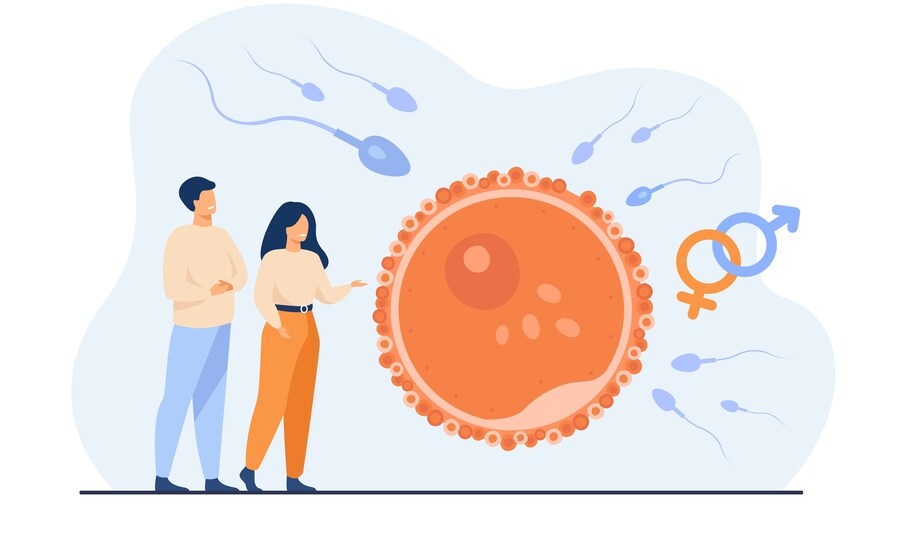
Is your baby’s birth gender pure luck? A new study reveals that maternal age and hidden genetic factors may secretly influence whether you have a boy or a girl.
Have you ever wondered whether having a boy or a girl is just a matter of luck? For years, most people believed that your baby’s sex is purely random, a simple roll of nature’s dice. But science is starting to challenge that idea.
A new study published on July 18 in the journal Science Advances suggests that your chances of having a boy or a girl aren’t as random as once thought. Researchers describe the odds as more like flipping a weighted coin, unique to each family. The study found that a baby’s sex may be linked to maternal age and certain genetic factors. (Also read: Your breath could reveal your identity, BMI, anxiety, depression and even sleep patterns: Study )
Same-sex sibling patterns may not be just chance
In theory, the odds of conceiving a boy or a girl are about 50-50, since equal numbers of sperm carry X or Y chromosomes. But reproductive epidemiologist Jorge Chavarro and his team noticed that many families have multiple children of the same sex more often than expected.

Using data from the Nurses’ Health Study, which tracked over 58,000 pregnancies from 1956 to 2015, they found that about a third of families had children all of the same sex, sometimes three, four, or five in a row, more than what pure chance would predict.
According to Chavarro, each family may have its own “unique probability” of having babies of a particular sex, although overall, across the entire population, the odds still balance out to roughly 50-50. Interestingly, the study also found that families with older mothers at the time of their first child were more likely to have siblings of the same sex.
Age and genetics may influence baby’s sex
Biological factors linked to reproductive ageing may explain this. For example, as women age, the vaginal environment may become slightly more acidic, potentially favouring X chromosome-carrying sperm. Changes in the menstrual cycle with age could also create conditions favouring Y sperm survival. The dominant biological factor likely differs between individuals.

The team also examined genetic data from a subset of participants and identified two gene variants linked to having all-male or all-female children, though the exact function of these genes remains unclear. While experts like Nicola Barban call the findings valuable but incomplete, others, like geneticist Brendan Zietsch, are sceptical, citing larger studies showing no such pattern.
Chavarro himself agrees that further research is needed, especially in more diverse populations and with paternal data considered. For now, this study offers an intriguing first step in understanding what might influence a baby’s sex beyond simple chance.
Note to readers: This article is for informational purposes only and not a substitute for professional medical advice. Always seek the advice of your doctor with any questions about a medical condition.


Catch your daily dose of Fashion, Taylor Swift, Health, Festivals, Travel, Relationship, Recipe and all the other Latest Lifestyle News on Hindustan Times Website and APPs.


