
 E-Paper



Nutritionist shares surprising probiotic, prebiotic foods in Indian kitchens apart from dahi: Tangy kanji to paneer

 Prefer HTon Google


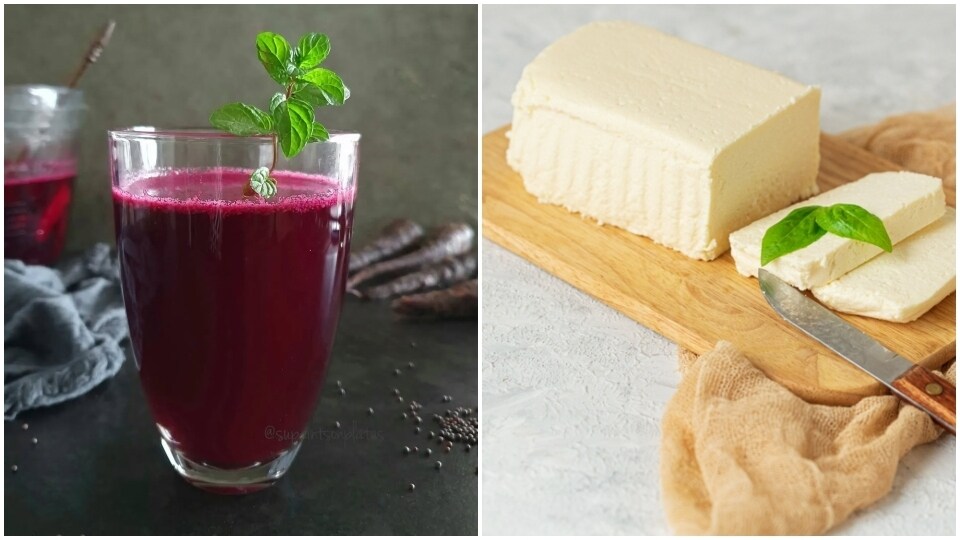
Nutritionist Pariksha Rao emphasises looking beyond yoghurt for probiotics and prebiotics, and lists common foods found in an Indian kitchen.
Probiotics and prebiotics are foods for good gut health. A healthy gut is a sign of overall wellbeing, including our physical and mental health. While looking for foods that can be good for your gut, many lean towards yoghurt or dahi. But did you know there’s a whole world of probiotic and prebiotic-rich foods hiding in plain sight in Indian kitchens that can easily be a part of your daily meals?
In an interview with HT Lifestyle, AIIMS and ICMR-trainer Pariksha Rao, Director - nutrition and medical affairs, The Good Bug, shared a list of probiotic and prebiotic-rich foods from our Indian kitchens. Listing the foods, she said, “These unsung heroes of digestive health go beyond the obvious, offering deep-rooted traditional wisdom paired with modern nutritional science.”
Probiotic foods: Live bacteria that heal the gut
According to the nutritionist, probiotics are live good bacteria that help maintain a healthy digestive balance and boost immunity. While yoghurt is the go-to, here are some surprising Indian alternatives, Pariksha shared:
- Paneer: Made through fermentation, it’s more than just protein-rich. It’s probiotic too.

- Idlis and dosas: South Indian staples made with fermented rice and urad dal.
- Chaas (Buttermilk): A diluted curd drink that cools the stomach and aids digestion.
- Pickles (Achaar): These naturally fermented varieties are full of gut-friendly bacteria.
- Kanji: A North Indian drink made with fermented black carrots or beets.
- Dhokla: This fluffy Gujarati snack is made with fermented chickpea flour.
- Gundruk and panta bhat: Fermented leafy greens or rice that are traditional in the Northeast, West Bengal, and Odisha.
- Sol kadhi: A Kokum-coconut digestive drink from the Konkan coast.
- Green peas and beetroot: Lesser-known, but effective non-dairy probiotic sources.
- Apples and whole wheat bread: Rich in both probiotics and dietary fibre.
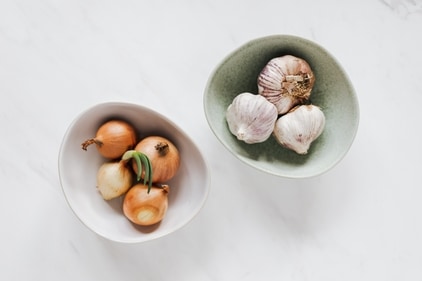
Prebiotic foods
Calling prebiotics the fuel for the good bacteria, the nutritionist explained that they are ‘non-digestible fibres that nourish probiotics and help them thrive.’ Here are Indian pantry staples that double up as powerful prebiotics, as per Pariksha:
- Garlic, onions, and leeks: Full of inulin and FOS (fructooligosaccharides, a type of carbohydrate found in plants, which may be used in various forms as a low-calorie sweetener) that feed good bacteria.
- Raw bananas: High in resistant starch with potent prebiotic benefits.
- Barley and oats: Contain beta-glucan and resistant starch for heart and gut health.
- Flaxseeds and apples: Rich in pectin, they boost butyrate, a short-chain fatty acid crucial for gut health.
- Avocado: A fibre-rich addition that supports microbial diversity
Why do prebiotics and probiotics matter?
According to the nutritionist, “A diverse and balanced gut microbiome has been linked not just to improved digestion, but to better skin, reduced inflammation, enhanced mental clarity, and even hormonal balance.”
Therefore, per the nutritionist, incorporating these familiar-yet-unexpected foods into daily meals can be a simple, affordable way to support holistic wellness without reaching for expensive imported supplements or packaged products.
“So the next time you're prepping a meal, look beyond yoghurt. From tangy kanji to raw bananas and crunchy flaxseeds, your kitchen already holds a powerful arsenal for better gut health rooted in tradition and backed by science,” Pariksha concluded.
Note to readers: This article is for informational purposes only and not a substitute for professional medical advice. Always seek the advice of your doctor with any questions about a medical condition.


Catch your daily dose of Fashion, Taylor Swift, Health, Festivals, Travel, Relationship, Recipe and all the other Latest Lifestyle News on Hindustan Times Website and APPs.


