
 E-Paper



Still feeding pigeons? Pulmonologist reveals how pigeon droppings may harm your lungs
Health experts caution that pigeon droppings can cause severe respiratory problems, including lung fibrosis, when inhaled.

 Prefer HTon Google


In India, many people feed pigeons, especially in cities where these birds gather in parks and public areas. While some see this as a harmless activity, health experts warn about the serious risks of inhaling pigeon droppings. The longstanding debate was back in the spotlight recently, with Indian cricket commentator Harsha Bhogle sharing his concerns about this everyday activity that many might not think is harmful. “Stop feeding pigeons,” he wrote on social media, and added: "Doctors have been shouting from the rooftops about the dangers of inhaling pigeon droppings and the severe lung disease it could lead to.”
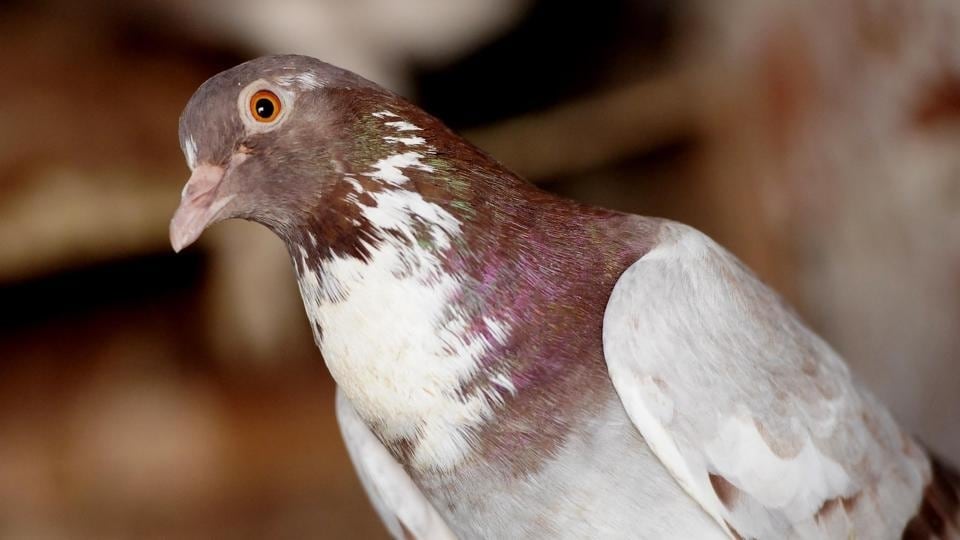

Are pigeon droppings a health hazard?
Pigeon droppings might seem unimportant, but they can be harmful. When they dry, they can turn into dust that people can inhale. Health experts warn that breathing in pigeon waste over time can cause serious health problems. One serious issue is lung fibrosis, which is a disease that can lead to permanent lung damage.
Pulmonologist Dr Manav Manchanda tells Health Shots, “Each year, an increasing number of people fall ill from repeated pigeon exposure.” He emphasised that fine dust in pigeon feathers and droppings could induce hypersensitivity pneumonitis. This condition can progressively harm the lungs.
Do pigeons cause health problems in humans?
Some people are not affected by being around pigeons, but others can face serious health problems. Pulmonologist Dr Hemant Kalra tells Health Shots: “Pigeons can seem harmless, but they can actually be a real health hazard.”
After contact with pigeon droppings, you might experience flu-like symptoms:
- Cough and shortness of breath: Initially mild, these symptoms can worsen over time.
- Fever and chills: Similar to flu-like symptoms, they can signal an inflammatory response in the body.
- Chronic fatigue: The constant drain on energy levels can lead to an overall sense of exhaustion.
Prolonged exposure can lead to severe lung problems, including lung failure. Dr Manchanda explains that "many people might mistake early symptoms like ongoing coughing, shortness of breath, chest pain, and fatigue for common asthma or allergies. This can cause them to overlook the real issue."
What diseases can humans get from pigeon droppings?
It is important to be aware of the diseases linked to being around pigeons. Dr Kalra explained some key health issues that can occur, including:
- Hypersensitivity Pneumonitis (Bird Fancier’s Lung): Breathing in certain substances repeatedly can cause an immune response in the lungs. This can lead to ongoing inflammation and serious long-term issues, such as lung scarring or even the need for a lung transplant. At first, you may notice symptoms like a dry cough, extreme tiredness, and difficulty breathing.
- Fungal infections: Pigeons can carry harmful fungi like histoplasmosis and cryptococcosis. These can seriously impact people with weak immune systems.
Is pigeon poop bad for your lungs?
To protect our lungs, it's important to know the health risks of pigeon droppings. You can reduce the risk of exposure by taking some simple steps.
Dr Manchanda suggests:
- Personal protective equipment: Always wear masks and gloves when cleaning areas where pigeons gather. This will help reduce direct contact and prevent inhaling harmful particles.
- Wet cleaning methods: Instead of sweeping up droppings, which can release harmful dust, first soak them with water, then wipe them clean. This method stops harmful particles from becoming airborne.
- Home modifications: To keep droppings out of your living space, keep your windows closed or put up fine-mesh screens. Also, preventing pigeons from nesting can greatly reduce your risk of exposure.
- Regular monitoring: If you have ongoing trouble breathing or feel very tired, it’s important to see a doctor right away. Getting help early can prevent long-term damage to your lungs.
How to be safe from pigeons?
To protect yourself and others from health risks related to pigeons, follow these practical tips:
- Avoid direct contact: Do not touch pigeon droppings or nests unless you have proper protection.
- Careful cleaning: Wet the droppings before cleaning to reduce dust particles. This helps prevent inhaling them.
- Exclude pigeons: To stop pigeons from nesting near you, block their roosting areas with spikes or netting.
- Hygiene practices: After handling pigeons or cleaning their droppings, wash your hands thoroughly to eliminate any germs.

Catch your daily dose of Fashion, Taylor Swift, Health, Festivals, Travel, Relationship, Recipe and all the other Latest Lifestyle News on Hindustan Times Website and APPs.


