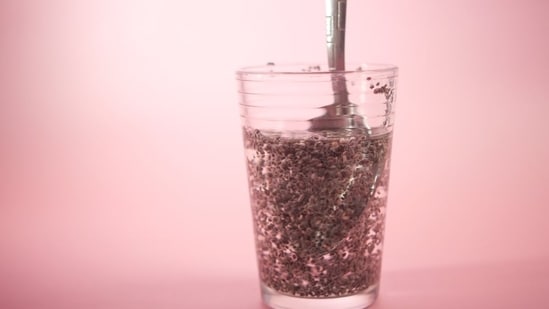
Chia seeds have gained popularity as an excellent source of fibre, which can improve heart health, reduce cholesterol levels, promote intestinal health, boost gut health, and more. While the popular way of consuming them is soaking the seeds in water before consuming them, what if you could gain more benefits by blending them?
In a post shared on July 19, Dr Karan Rajan, an NHS surgeon and health content creator, talked about why you should consider blending chia seeds before consuming them. He wrote, “Whole chia seeds are great and considered low FODMAP, but if you have a very sensitive GI system, your gut might thank you for grinding them.”
Do you need to blend chia seeds?
According to Dr Rajan, grinding cracks the tough outer shell of chia seeds, making omega-3s, protein, and fibre more bioavailable. “Think of it as unlocking the vault for better nutrient absorption and easier digestion,” he explained.
{{/usCountry}}According to Dr Rajan, grinding cracks the tough outer shell of chia seeds, making omega-3s, protein, and fibre more bioavailable. “Think of it as unlocking the vault for better nutrient absorption and easier digestion,” he explained.
{{/usCountry}}So, what happens when you blend chia seeds? You basically make chia flour. Explaining more about how blending makes consuming chia seeds more beneficial, Dr Rajan said, “If you blend your chia seeds, it might be even better if you have a sensitive gut. When you grind chia seeds, you increase their surface area, allowing them to form a gel faster and more evenly than whole chia seeds.”
Does blending affect fibre content?
Don't worry—the fibre content isn't affected at all. Per the surgeon, whole chia seeds typically have inconsistent gelling, and most of their fermentation by your gut bacteria happens in the end part of the colon. If you have a very sensitive gut, this could provoke spikes of gas and bloating.
However, powdered chia would have a more controlled, even fermentation throughout the whole colon, not just the end part, which could potentially further reduce gastrointestinal (GI) symptoms. “The added bonus is that the omega-3s and nutrients become even more bioavailable in the powdered form,” he added.
How to consume them?
Per the surgeon, if you want to reduce fibre dumping or fermentation spikes, use around 120 millilitres of water for every one tablespoon of chia seeds—that's roughly a 10-to-1 ratio. For full mucilage development and to minimise GI symptoms, make sure you soak the seeds completely overnight if you have a sensitive gut.
Note to readers: This article is for informational purposes only and not a substitute for professional medical advice. Always seek the advice of your doctor with any questions about a medical condition.
Catch your daily dose of Fashion, Taylor Swift, Health, Festivals, Travel, Relationship, Recipe and all the other Latest Lifestyle News on Hindustan Times Website and APPs.
Catch your daily dose of Fashion, Taylor Swift, Health, Festivals, Travel, Relationship, Recipe and all the other Latest Lifestyle News on Hindustan Times Website and APPs.