
 E-Paper



Three-parent baby born in UK using IVF; what experts have to say

 Prefer HTon Google


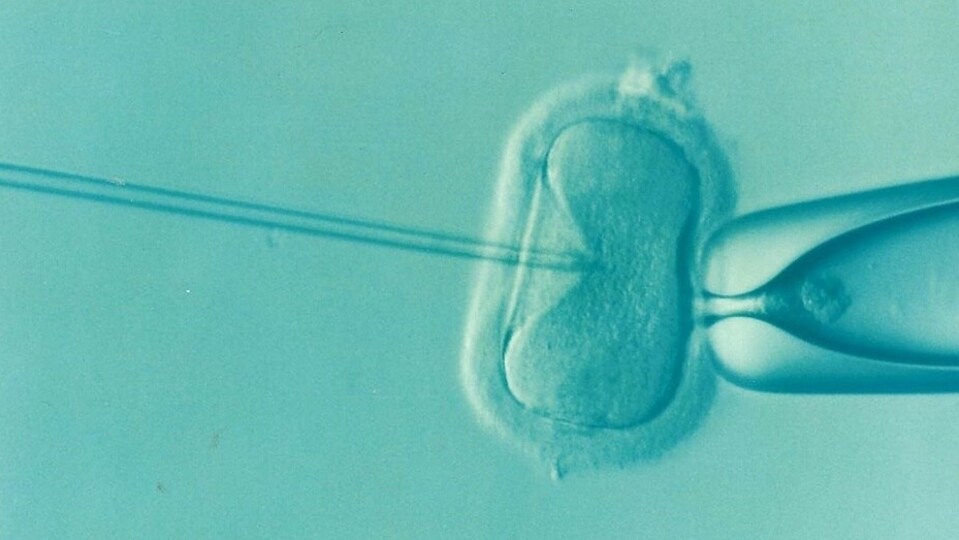
A baby in UK has been created using DNA of three parents. Here's all you want to know about this pathbreaking procedure.
A baby in UK has been created using IVF procedure with DNA of three people in a bid to prevent children from inheriting incurable diseases, reported The Guardian. Known as Mitochondrial donation treatment (MDT), the procedure involves development of embryo combining sperms and eggs from the biological parents along with the mitochondria from donor’s eggs. More than 99.8% of the DNA in the children would come from their mother and father. The idea is to prevent babies of mothers with mutated mitochondria from genetic disorders. People inherit all their mitochondria from their mother, so harmful mutations in the 'batteries' can affect all of the children a woman has, says the Guardian report. (Also read: Baby acne vs eczema: Expert on difference between the two)
This isn't the first time, a three-parent baby has been born. A US doctor in 2016 is credited with world’s first MDT birth after a Jordanian woman carrying mitochondrial mutations that could cause a fatal condition called Leigh syndrome was treated.
How this pathbreaking procedure is carried out
Eggs of the mother and a healthy female donor is fertilised using sperm from the father and the nuclear genetic material from the donor’s egg is then removed and replaced with that from the couple’s fertilised egg. The resulting egg has healthy mitochondria with the full set of chromosomes from both mother and father. This is then implanted in the womb.
What is the impact of mitochondrial DNA?
"In common parlance, mitochondria is called the “powerhouse” of the cell and is a small organelle responsible for producing energy. In addition to this, they are also the only organelle in the human cell apart from the nucleus that comprises their own DNA called mitochondrial DNA (mtDNA). At the time of fertilisation of the female egg and the male sperm, it is inherited solely from the mother. This means that if there are any mutations or abnormalities in mtDNA, it can be passed on to children causing mitochondrial disorders which influences energy metabolism hence, impacting a child’s overall health and well-being," says Dr Kshitiz Murdia, CEO & Co-Founder, Indira IVF.
“It is great to learn that Mitochondrial donation treatment (MDT), although in its experimental stage, has been successful in producing its first UK baby with three genes. The process is at its nascent stage designed to help couples with inherited mitochondrial illness have babies without the risk of passing genetic disorders. The embryo developed is combined with sperms and eggs from the biological parents along with the mitochondria from the donor’s eggs. However, understanding the risks associated with this treatment and the health of the baby is extremely crucial. Conducting extensive research and analysis is a critical measure that must be taken to streamline this process and facilitate this ground-breaking development in the Assistive Reproductive Technology sector. As of now, there is still a considerable distance to go before this treatment can be recognised as a definite approach since the documented case is insufficient to draw any clear conclusions regarding its safety or efficacy,” says Dr. Sonia Malik, Programme Director, Nova Southend Fertility and IVF.,
"Natural conception for women with faulty mtDNA can mean passing on related disorders to her child. However, with the help of assisted reproductive technology (ART), this can be negated. Mitochondrial donation therapy (MDT), also known as mitochondrial replacement therapy (MRT) is an upcoming therapy research area which looks into the possibility of using a female donor’s mtDNA," says Dr Murdia.
"By bypassing the defective mitochondria, MDT clubbed with pre-implantation genetic testing (PGT) offers hope in preventing the occurrence of genetic disorders in future generations. It is still considered an experimental procedure and is subject to strict regulations and ethical considerations. India has seen limited exploration of MDT thus far. However, as research and technological progress continue, the potential for wider acceptance and increased accessibility of MDT grows, offering new hope to couples confronting fertility obstacles," says Dr Murdia.
"Mitochondria hold almost 0.0005% of our entire DNA, but the child receives it only from the mother. This makes any aberrations in mother’s mitochondrial DNA that may cause diseases is passed on completely to the child. The New York Stem Cell Foundation Research Institute revealed a data which says approximately 1 in 5,000-10,000 children is born each year with mitochondrial disease. These diseases can be devastating diseases. This is a huge leap scientifically for Assistive Reproductive Technnology. If it moves past its experimental phase and becomes definitive, it can help parents achieve parenthood. However, anything that may affect the future generation or the offspring, needs to be considered in all aspects, especially with regard to the safety of the baby. As ethical and responsible doctors, we must adhere to the values of the society we live in, hence we must consider the impact it can have on the society. If this technique is to be implemented in the country, there should be a regulatory body that governs its usage to avoid any unethical practises. New technologies can be exciting, but we need to take the technology with a pinch of skepticism and understand it from all parameters, the risk associated, and social impacts among others, says Dr. Ritu Hinduja, Fertility Consultant, Nova IVF Fertility, Mumbai.
"The development of this technique has the potential to prevent the transmission of debilitating genetic diseases caused by mutations in the mitochondrial DNA. It offers hope to couples who carry these genetic disorders and who would otherwise be forced to make a heart-wrenching decision between having an affected child or not having children at all. While this breakthrough has sparked ethical debates, it is essential to note that the procedure has undergone rigorous testing and regulatory approval. It is a safe and effective way to give parents a chance to have healthy children, and it represents a significant advance in reproductive medicine. This achievement reminds us of the remarkable progress that science and medicine can make when they come together to address a pressing human need. It reinforces the power of innovation and the importance of investing in research to tackle some of the most significant challenges that humanity faces," says Dr Ankush Raut, Senior Fertility Consultant, Apollo Fertility (Borivali).


