
 E-Paper



World Asthma Day 2026: Pediatric pulmonologist explains how parents can manage asthma in children

 Prefer HTon Google


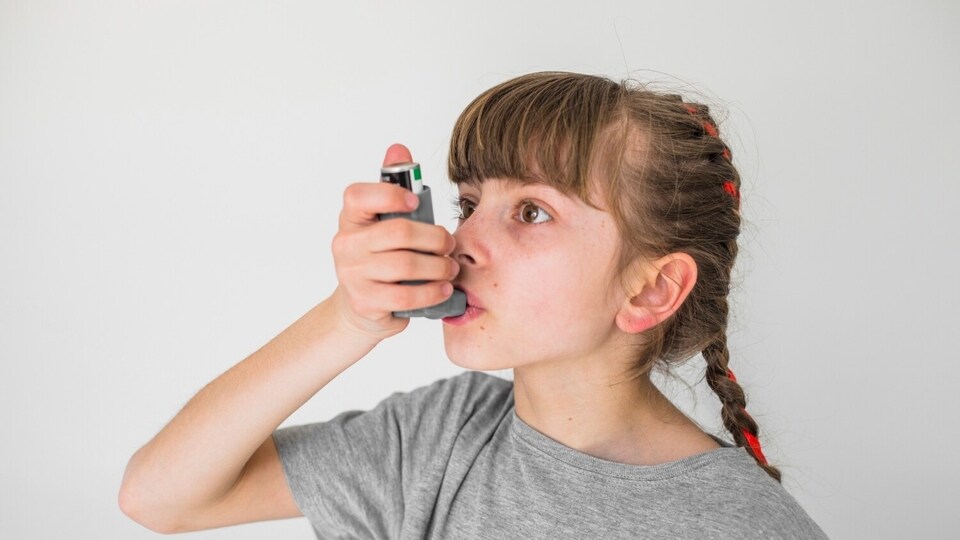
Does your child have asthma? Know all the details here, from how to tell if it is controlled to how long the treatment should continue.
World Asthma Day 2026: Observed on the first Tuesday of May, it falls on May 5 this year. The day aims to raise awareness and educate people about asthma, including its symptoms, treatment, and long-term management. Along with adults, children make up a substantial portion of those affected by the condition. Parents need to be able to recognise the signs and ensure proper support, from inhaler techniques to understanding the prescribed medication, to help children manage asthma effectively, prevent flare-ups, and maintain an active, healthy routine.
To get a complete picture of how parents can provide well-rounded care for children with asthma, we spoke to Dr Kaustubh Mohite, consultant in pediatric pulmonology and interventional pulmonology at Sai Child Care Hospital.
He cautioned that among children, asthma is one of the ‘most chronic’ conditions, yet it often ‘goes unrecognised’ as it is mistaken for repeated infections or minor breathing issues.
We asked some questions that address the fundamental pillars of an asthmatic child's care, so parents are better prepared.
What signs suggest that your child’s asthma is not well-controlled?
Asthma symptoms in children, as aforementioned, are not easy to detect. The early warning signs may be atypical. Here are some signs you need to look out for, as per the doctor:
- Coughing
- Wheezing
- Breathlessness
- Chest tightness
- Waking up at night due to these symptoms
Dr Mohite further expressed concern that avoiding play and reduced physical activity are important indicators of poorly controlled asthma. Missing school or requiring emergency care for flare-ups also suggests that the condition is not well managed.
Why does your child need daily medication even when they feel fine?
If a child is doing fine and their asthma seems well-managed, you may wonder whether the medication is still required. However, let's hear from the doctor why asthma is not only about visible symptoms, but also about how well it is managed.
Dr Mohite described, “Asthma treatment typically includes two types of medicines: quick-relief medications for immediate symptoms and daily controller medications to manage the condition over time. Even when a child feels well, asthma can still be active in the airways."
He then went on to elaborate how daily controller medication works in the background to reduce inflammation, keep airways open and minimise teh chances of future flare-ups. In fact, he believed it is part of an ‘asthma action plan’, and it helps to prevent sudden worsening of symptoms.
Can asthma treatment be stopped once symptoms improve?
When the intensity of symptoms goes down, one may think treatment is no longer needed. But, asthma is a long-term condition that does not always show up and be present with observable symptoms.
“The airways can remain sensitive, and stopping treatment too early may increase the risk of symptoms returning. While some children may experience a reduction in symptoms as they grow older, asthma can reappear later in life,” the pulmonologist warned how asthma does not truly go away even when symptoms improve. In fact, it can resurface later in life.
How important is the correct use of inhalation devices in children?

The doctor asserted that the correct use of inhalation devices is essential for effective asthma management in children. These devices deliver medicine directly to the lungs, but how well they work depends on choosing the right device and using it correctly. Options such as inhalers (often with spacers) and nebulisers are selected based on a child’s age and ability. For younger children, he mentioned that spacers or nebulisers can make it easier to receive the full dose, while poor technique or movement during use may reduce effectiveness. In the end, he reminded parents that they need to learn the correct method from a healthcare provider.
What are the essentials in asthma support?
As per the pulmonologist, managing asthma in children requires a consistent, structured approach. Following a doctor-recommended asthma action plan, ensuring regular use of prescribed medication, and using the correct device technique are important. Monitoring the early signs is also crucial, helping to prevent flare-ups.
Note to readers: This article is for informational purposes only and not a substitute for professional medical advice. Always seek the advice of your doctor with any questions about a medical condition.


Catch your daily dose of Fashion, Taylor Swift, Health, Festivals, Travel, Relationship, Recipe and all the other Latest Lifestyle News on Hindustan Times Website and APPs.


