Pain or physical discomfort is not always the first warning from your body that it needs more movement. According to physiotherapist Sachin Sethi, long hours of sitting, desk work, driving and inactivity for large parts of the day can quietly impact muscles, joints, circulation and energy levels.
“Your body may start to give subtle signs before you feel uncomfortable,” he stated in an interaction with HT Lifestyle. Sethi went on to share six such signs, which are presented as follows.
1. You feel stiff after sitting
Experiencing tightness in the hips, knees, shoulders and back when one stands up after sitting for a long period of time is one of the most common signs that a person needs more movement.
“Moving regularly helps the joints to move through their normal range and prevents the muscles from becoming too tight,” noted Sethi.
2. Everyday activities leave you unusually tired
{{/usCountry}}“Moving regularly helps the joints to move through their normal range and prevents the muscles from becoming too tight,” noted Sethi.
2. Everyday activities leave you unusually tired
{{/usCountry}}If a person feels exhausted after climbing a few stairs, walking a short distance and doing simple household tasks, it is a sign that they might not be physically fit. As per the physiotherapist, “Once your body gets used to being inactive, basic movements can be more difficult.”
3. You constantly feel sluggish
The absence of sufficient physical activity from the daily routine leaves an individual feeling both mentally and physically sluggish.
“Getting moving can help increase the flow of blood and make you feel more alert and energetic,” noted Sethi. “A short walk can also be a good way to break up long periods of sitting.”
4. Your balance is less steady
As Sethi explained, “If you sometimes wobble when standing on one leg, climbing stairs and turning, it may mean your balance and coordination need to be addressed. Stability can be maintained through walking, strength exercises and balance-based movements.”
5. Your posture keeps collapsing
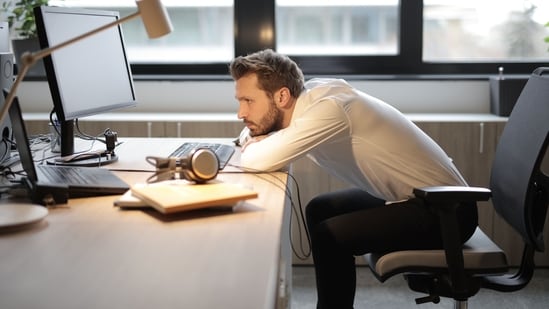
If a person finds themselves often slumped at their desk, or having difficulty sitting or standing comfortably for extended periods of time, it can be, at least partly, due to weak or underused muscles.
“Working the core, back, and legs helps with improving movement and posture,” stated the physiotherapist.
6. You avoid movement because it feels difficult
In the words of Sethi, “If walking, bending, squatting or getting up from a chair starts to feel harder than before, it is worth paying attention. Strength and mobility can gradually decrease without noticeable pain.”
The physiotherapist pointed out that small changes can make a difference. “Take walking breaks, stretch gently and add strength and balance exercises to your routine. If you notice a change in your movement, weakness, numbness and persistent stiffness, talk to a healthcare professional,” he shared.
Note to readers: This article is for informational purposes only and not a substitute for professional medical advice. Always seek the advice of your doctor with any questions about a medical condition.
Sachin Sethi is the principal lead of physiotherapy at Artemis Hospitals, Gurugram, with over 13 years of experience.
Catch your daily dose of Fashion, Taylor Swift, Health, Festivals, Travel, Relationship, Recipe and all the other Latest Lifestyle News on Hindustan Times Website and APPs.
Catch your daily dose of Fashion, Taylor Swift, Health, Festivals, Travel, Relationship, Recipe and all the other Latest Lifestyle News on Hindustan Times Website and APPs.