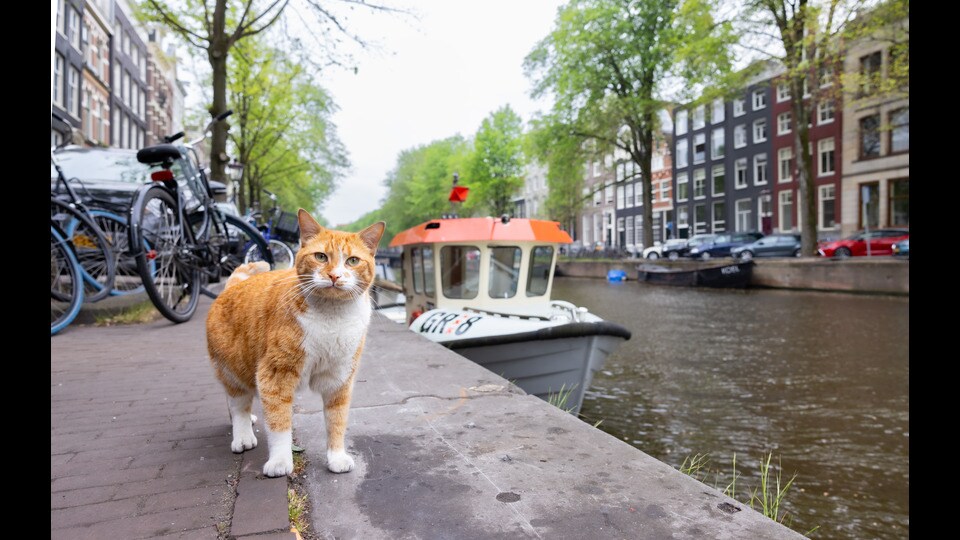
In Netherlands, restaurants adopt cats as a way to keep rodents out. Amsterdam is also home to De Poezenboot (The Catboat), a rare floating cat shelter. It was founded in the 1960s, and now operates as the base of a cat-welfare NGO too. (Photo by Andrew Marttila)
From the tabbies of Japan’s cat islands to the famed ‘life-saving’ felines of Kotor, a new book titles Cats of the World presents stories from 30 countries.
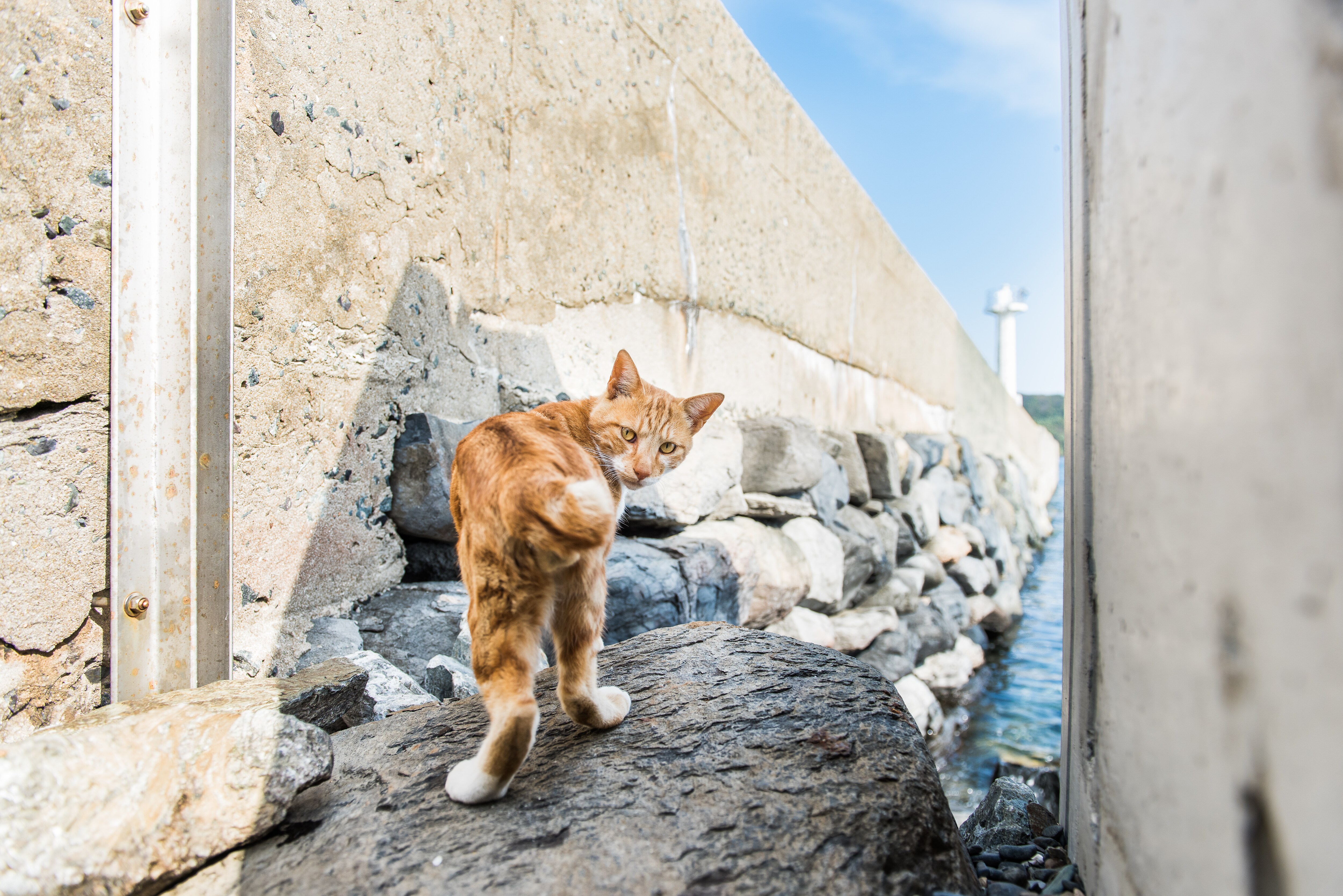
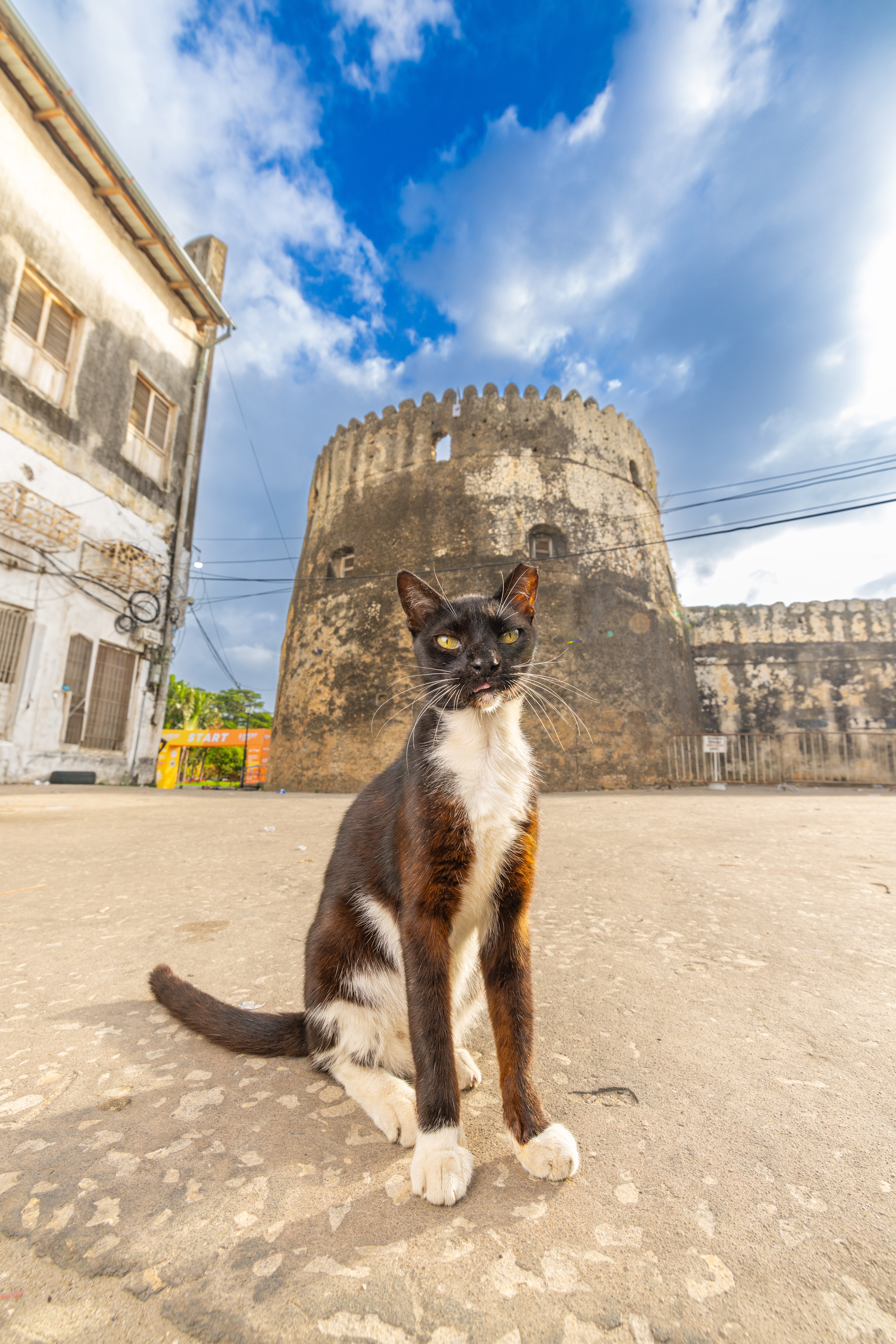
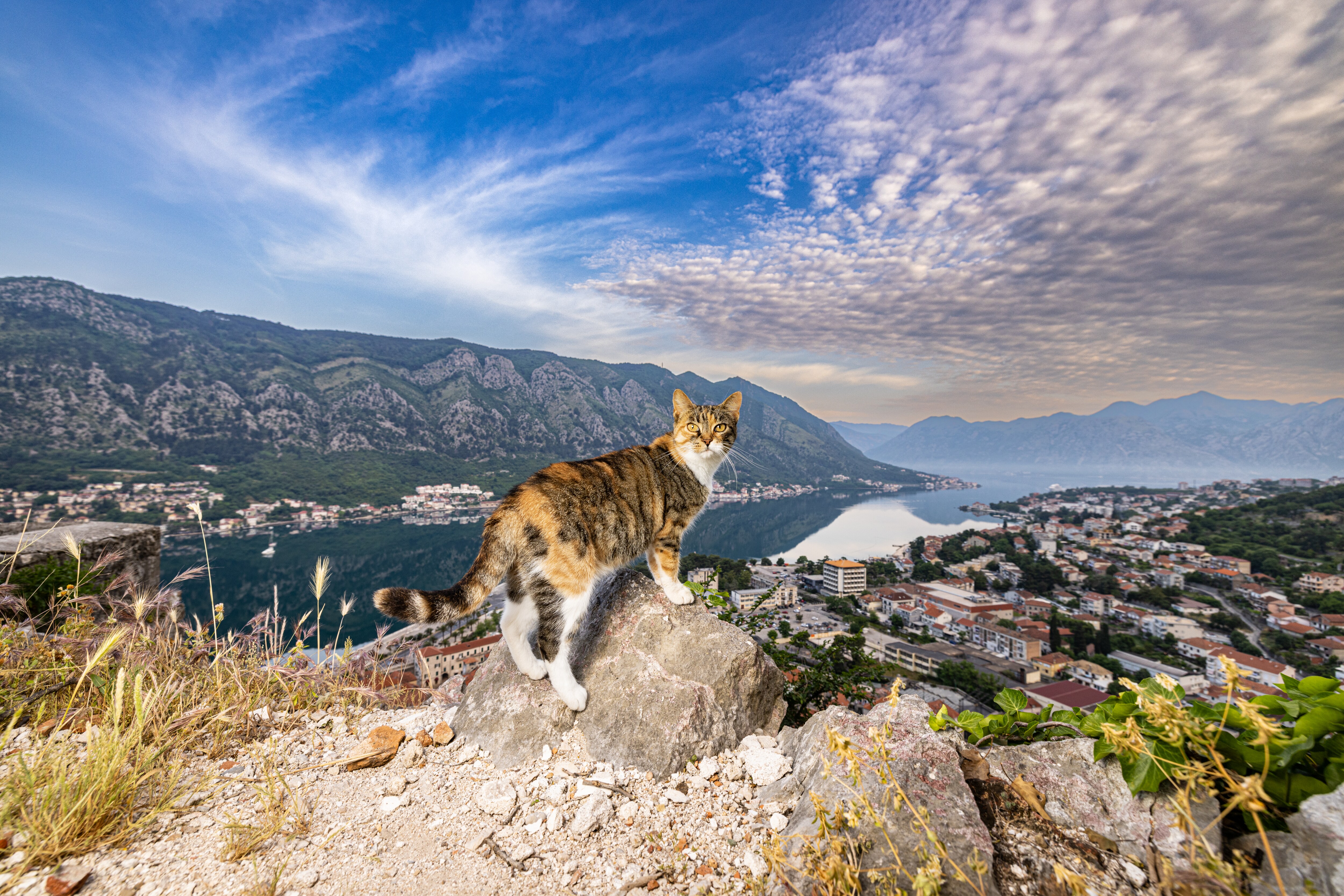
Japan is popular for ‘cat islands’ such as Ainoshima, which are essentially remote fishing villages inhabited by large populations of felines. When these islands initially made news for their feline residents, locals were confused by the rush of tourists. There are now signs across the area, in multiple languages, that say: ‘Don’t feed the cats’. They can fend for themselves perfectly well. (Photo by Andrew Marttila)The cats of Agra primarily live on rooftops. “Look above and you will spot the movements of monkeys jumping between buildings, the occasional rooftop goat, and the silhouettes of cats slinking along the skyline in the sunshine, oblivious to their view of the famed world wonder,” writes Shaw. (Photo by Andrew Marttila)At the Old Fort in Zanzibar, Tanzania, built in 1699. Sharing space and community with felines is core to Zanzibari life, notes Shaw. If they’re napping on the island’s iconic wooden thresholds, people tiptoe around them so as not to wake them up. Each neighbourhood typically takes care for a group of local cats, with residents contributing milk, bread and fish. (Photo by Andrew Marttila)Montegro is home to the city of Kotor, where cats are worshipped. It is believed that they saved lives by eating rats and mice during the Black Death or bubonic plague pandemic of the 1300s. Centuries on, they are still viewed as saviours here. (Photo by Andrew Marttila)