E-Paper



See Jahangir’s wine cup, opium bowl, and ring at BHU’s museum
The museum houses sculptures, manuscripts, a copy of a farman (order) by Mughal emperor Aurangzeb, a painting from the Mughal era, miniatures and paintings, rare collection of miniature paintings of Rajasthan and other states.

 Prefer HTon Google


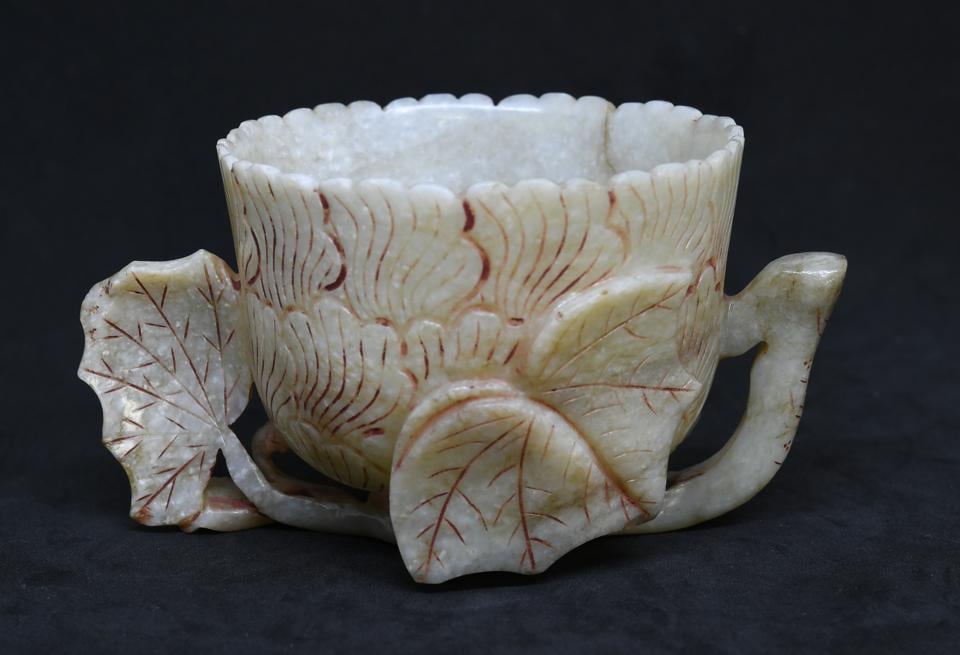
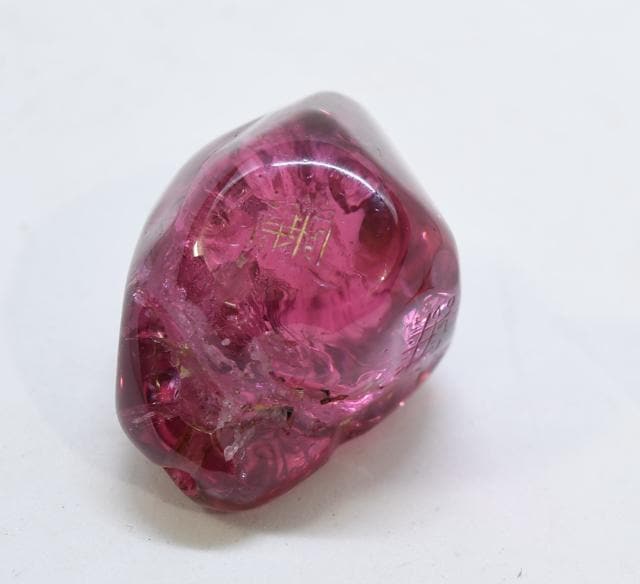
Banaras Hindu University’s (BHU) Bharat Kala Bhavan, a museum, preserves Mughal emperor Jahangir’s wine cup and opium bowl, a ruby and an archer ring: just a few of the many artefacts preserved here.
The museum houses sculptures, manuscripts, a copy of a farman (order) by Mughal emperor Aurangzeb, a painting from the Mughal era, miniatures and paintings, rare collection of miniature paintings of Rajasthan and other states.
According to Bharat Kala Bhavan director AK Singh, the museum acquired these unique objects of Mughal emperor Jahangir six decades back. Jahangir ruled between 1605 and 1627.
“The museum possesses a large number of unique things, including wine bowl, opium bowl and archer ring of Mughal emperor Jahangir. All are preserved in the museum,” Prof Singh said.
The wine bowl of Jahangir is made of white jade. It has carving showing creepers and leaves of grapes. The wine bowl is very precious. It was acquired by museum founder Rai Krishnadas in 1962, Singh added. This wine cup proves that the Mughal emperor was fond of wine and art together. That is why he would have prepared the exclusive cup inscribed with grape leaves and creepers. It has 12 flower petals on the rim of the bowl. Each petal is inscribed with a Persian word.
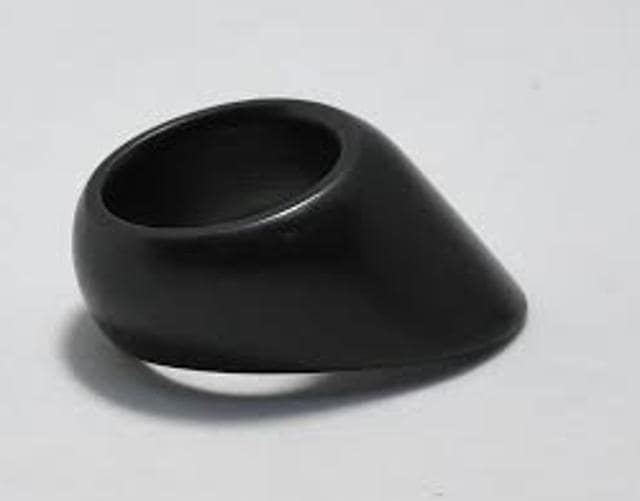
Singh said that Jahangir used to wear a ring during archery practice. The ring is known as archer ring. That is also in the possession of the museum.
Singh said that the museum acquired a ruby long back from Navin Chand and Ratan Chand of Bombay. “The ruby is very precious and has historical importance. It was worn by four Mughal emperors as an amulet on their arms, as they considered it lucky for them. Jahangir also wore the ruby.”