
 E-Paper



Juhu hostel inaugurates solar panels 3 years after vermicompost plant
The solar power plant will generate around 1,020 units of electricity per month while the requirement of the hostel is 4,707 units. The hostel’s average monthly electricity bills of ₹65,000 is now expected to be reduced by ₹13,000.


Three years after Kesarbai Bhimani Working Women’s Hostel in Juhu had set up a vermi-composting plant on its campus, the NGO running the hostel, on Thursday, installed an 8.5-kilowatt solar on-grid rooftop power plant in the hostel.
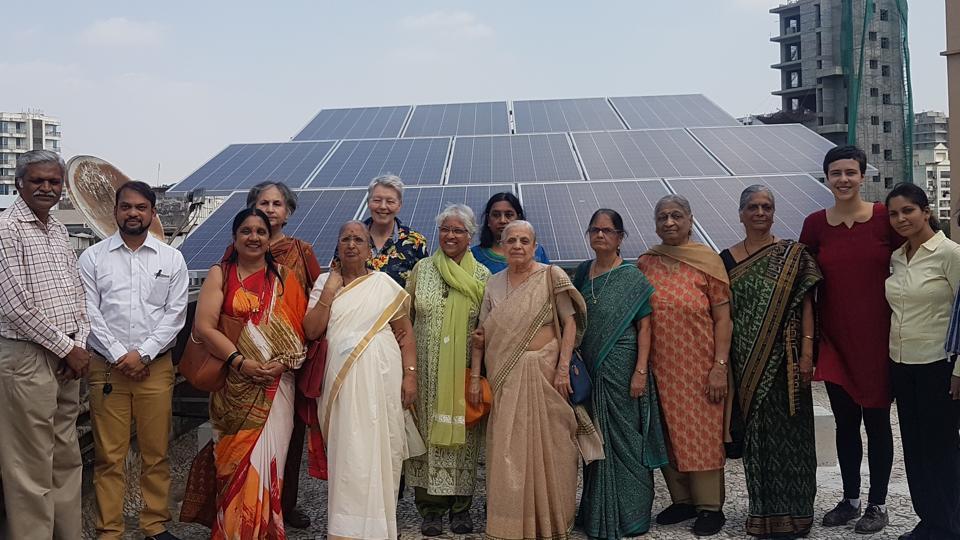
The solar power plant will generate around 1,020 units of electricity per month while the requirement of the hostel is 4,707 units. The hostel’s average monthly electricity bills of ₹65,000 is now expected to be reduced by ₹13,000. Therefore, the return of investment will be achieved by the plant in 3.8 years. The plant was installed by VISOL Renewable Energy Solutions.
“Rooftop solar plants are not just about saving money; electricity generated by them will help reduce carbon footprint. This plant will reduce the carbon footprint equivalent to 510 fully grown trees. It will reduce carbon dioxide emission equivalent to 11.6 tonnes per year,” said Priyanka Gupta, co-founder and head operations of VISOL.
Gupta added that over a span of 25 years, the hostel would be able to save ₹35 lakh on their electricity bills.
Sheela Kakde, chairperson of the hostel, said All India Women’s Conference, the NGO running the hostel, plans on installing a solar water heater in future. Kakde said the hostel currently generates 35kg of manure on a monthly basis from around 30kg vegetable waste generated in the kitchen every day.
“We have 101 women staying in the hostel and we have been able to create awareness among them through our eco-friendly initiatives. Now, they have started avoiding wastage of paper. The idea behind the vermicomposting pit was to make the women understand that waste can be put to good use,” said Kakde.
Kakde hopes the women staying in the hostel would learn about saving electricity and speak about it with others, thus carrying the message forward.

Stay updated with all the Breaking News and Latest News from Mumbai. Click here for comprehensive coverage of top Cities including Bengaluru, Delhi, Hyderabad, and more across India along with Stay informed on the latest happenings in World News.


