
 E-Paper



World Music Day: How Guru Randhawa, Raftaar, Monali Thakur dealt with rejection
On World Music Day today, we speak to popular musicians on what kept them motivated when they weren’t popular, and what convinced them to stick to music.


American singer-songwriter Chad Kroeger spoke about everyone’s hidden urge to become a popular musician, when he sang the lines, “ Cause we all just wanna be big rockstars, And live in hilltop houses, drivin’ fifteen cars,” for his popular song rightly titled — Rockstar. But before becoming a heartthrob in the music industry, is it easy to stick to music and not worry about paying the bills? Did the likes of Jubin Nautiyal and Amit Trivedi worry about their survival before they became household names? On World Music Day today, we speak to some of the most popular musicians in the country, and ask them the ‘right things’ they did to become famous.

Arjun Kanungo: Change the question from When will I become famous to How I will become famous
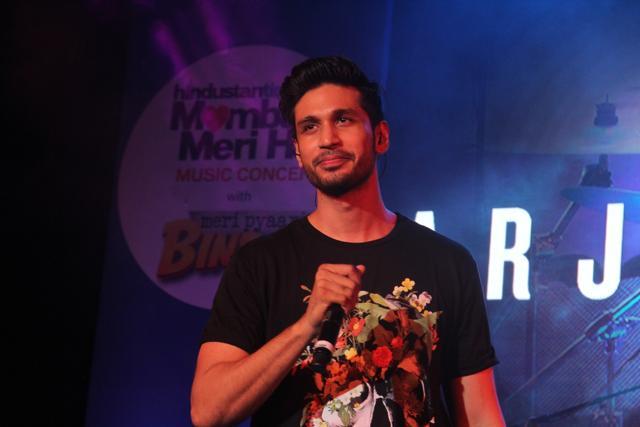
The popular singer-songwriter felt that he was asking the wrong question from himself, before he became a popular musician with hits such as Baaki Baatein Peene Baad and Fursat. “From 2013-2015 — I was clueless about whether I will ever become a popular musician or not. Go Goa Gone’s Khoon Choose Le had released and became big, but no one knew my name, or knew the fact that I was involved in the composition of that song. So I used to always ask myself — ‘When will my time come? And for probably two years, I kept hovering around the same question. Then I realised that I have been asking myself the wrong question. It shouldn’t be when, but it should be how. How will I become a famous musician?” he says. Once he started asking the “right” questions, he was able to figure out a way to establish himself in the industry. “It was around that time I sort of realised that I need to put a face to my name, and only then will I become popular. It was around that time when I was also thinking about this whole concept about Bollywood stars featuring in pop ( non film) music videos, and that’s how I sort of reached the conclusion, that I need to be in it. Then Baaki Baatein (Peene Baad) happened, and the rest is history,” he says.
Ehsaan Noorani: There’s no substitute for hard work.
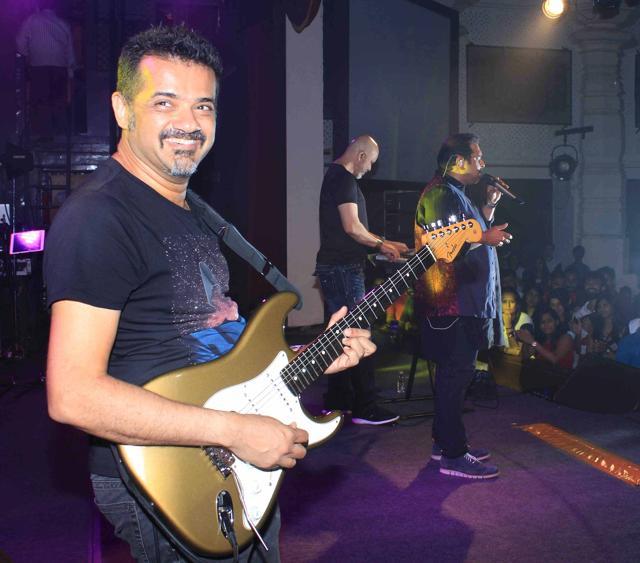
Before he became a part of the popular music composing trio, Shankar-Ehsaan-Loy, guitarist, Ehsaan Noorani was a part of two Mumbai based bands — Pegasus and Crosswinds, and was also simultaneously composing jingles for various advertisements. “Success is about hard work and there’s no substitute for that. We would be starting recordings at midnight to reach a client’s deadline, working almost 48 hours non-stop,” he tells us. In fact, it took the trio of Shankar-Ehsaan-Loy some time to switch to Bollywood. “The biggest resistance you face is within yourself where you are too scared to take the big step into the world of entertainment,” he tells us. Ehsaan also insists that he has been ‘lucky’ to be able to do what he always dreamt of. “I have fortunately been very lucky with my music career, starting with the support that my family gave me to study music in the USA. I guess timing is important. When I came back from the USA, there was opportunity for me to join the studios as a guitarist. The first jingle I composed was on New Year’s Day and luckily I agreed to do it on that day and it was career changing thing for me,” he says.
Guru Randhawa: People told me I won’t get the attention

For the 26-year-old, being a musician was the only thing he dreamt about. But before he became a popular name with hits such as Suit Suit, and Lahore, it wasn’t easy for the Punjab-born-singer songwriter. “People used to tell me my music isn’t good. They said that my songs wouldn’t’ catch attention,” he says, admitting that there were times when he felt broken. But, he was also quick to realise to “never give up” and continued towards achieving this dream. “I devoted my heart and soul to music. I started writing songs since I was in school. Music is my first love and since childhood, it was a dream to be seen on TV through music. Even though people told me I am not good enough, I never gave up. As I child, I used to sing in colleges and family events and write/compose songs in free time. The songs you hear now were actually written long back by me in those days. Seeing these dreams come true is a feeling of a lifetime,” he says.
Jubin Nautiyal: I used criticism as a part of learning curve
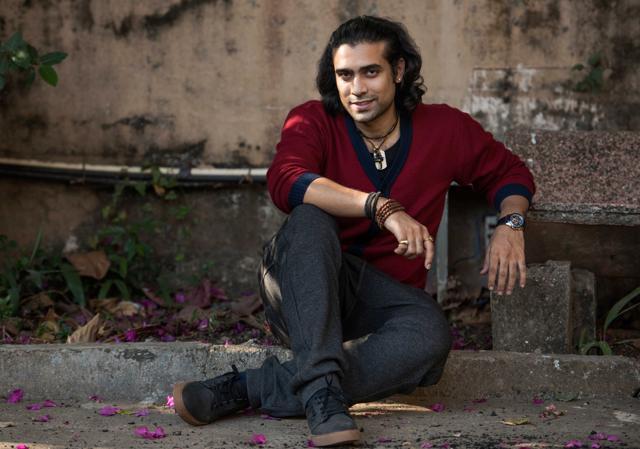
Singer Jubin Nautiyal never thought he “struggled as a musician” before becoming a big name in the playback industry. The 29-year-old reveals that music was his “first love”, and he never felt “let down” when he ran into disappointments or faced rejections. “I would say, it was never a struggle for me because I completely enjoyed what I used to do. I never felt let down by it and instead it made me evolve into a better musician. I think, personally for me, those were my learning days and not struggling days,” he says. Staying optimistic about his music was Jubin’s “way” of fighting the odds and making a name for himself. “Since childhood, everything in my life revolved around music. I am here at this stage in life because of so many years of unfiltered dedication in my music. That was my way of fighting all the so called rejections and disappointments,” he says.
Monali Thakur: I used to wonder if people even deserve to listen to my music
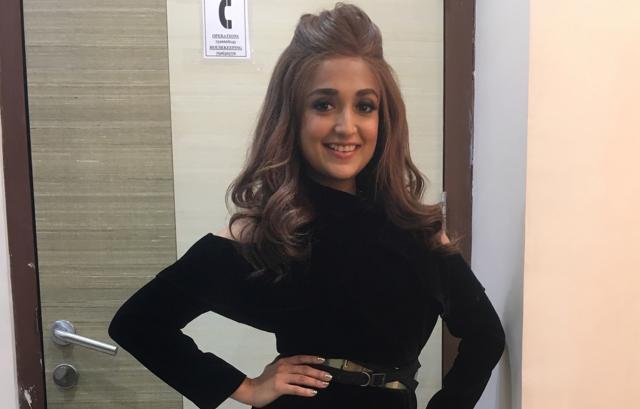
Singer Monali Thakur had always been “very confident” about her music, but there were times, before she became a famous name, when she felt like she wasn’t getting her due. “I always used to wonder... do these people even deserve to listen to my music? If they can’t appreciate it, do they even have the right to listen to it?’ she laughs as she recalls her early years. “Thankfully, my parents were never the ones who opposed my idea of becoming a musician and also encouraged me to pursue it. So I never doubted myself as a musician or thought ‘ oh maybe I am not a good musician’. That was a big – big confidence booster for me,” she says. “And whenever I was disappointed, or let down, I would go back to my room, listen to music or sing. That was my way of getting over things like rejection. In fact it still is now,” she says.
Raftaar: Never stopped thinking ahead

It was very important for Raftaar to do things differently than what his peers were doing. “ I had realised from the start, that apart from being a musician, you have to be a businessman, to be able to promote your music. So I figured out, very early, before any of my peers could figure out that social media is going to be a very powerful tool. I learnt how to embed music links on Orkut. And then I used to link all my music from Soundcloud, or MySpace on Orkut, and that’s how people started checking out my music— by clicking on my music in the comments section on Orkut,” he laughs as he recalls. But even then it wasn’t easy for him, as people in the music industry still told him that he wasn’t good enough. “Being confident in your ability is very important. From the first day till now, there are people who tell me my music isn’t good enough. Even before I became a popular name, people told me my music won’t work, and no one will like my song. Par main ‘dheet banda’ hun. I never listened to them and continued what I believed was right and here I am now,” he says.
Amit Trivedi: Rejection will always be there till I die

Music composer Amit Trivedi had learnt to “deal with rejections” much before he became a successful music composer for films such as, Udta Punjab and Queen. “People told me that I was bad then and that I don’t know how to compose songs then. They continue to do so even now,” he laughs. “So I knew that this will exist no matter what I do or achieve. Rejections will always be a part of your life as a musician, and that was something I knew even before I started out as a musician. I realised that the only people who can say my music is good or bad is the audience, and even then, I may not agree with them all the time,” he says. Ever since he learnt to take rejection with a pinch of salt, everything was all right with Amit. “Since then, it has been a dream job. How many people get to say that they are doing a job that have dreamt off? Music was always a passion, and now pursuing it has been like a dream come true really,” he says.
Interact with the author on Twitter/@sammysamarth

Get more updates from Bollywood, Taylor Swift, Hollywood, Music and Web Series along with Latest Entertainment News at Hindustan Times.


