
 E-Paper



Kashmir press emergency sets new standard in muzzling independent voice
Kashmir has been virtually brought under press emergency. This is unprecedented and reprehensible as the government sees the media also as a threat to peace.

 Prefer HTon Google


Kashmir has been virtually brought under press emergency. This is unprecedented. Earlier on Saturday, police parties raided the press premises of prominent newspapers, including those of Rising Kashmir, Greater Kashmir, Kashmir Images and Kashmir Times, stopped the workmen from going ahead with the printing, detained some of them briefly and seized the copies that had already been out of the machine.
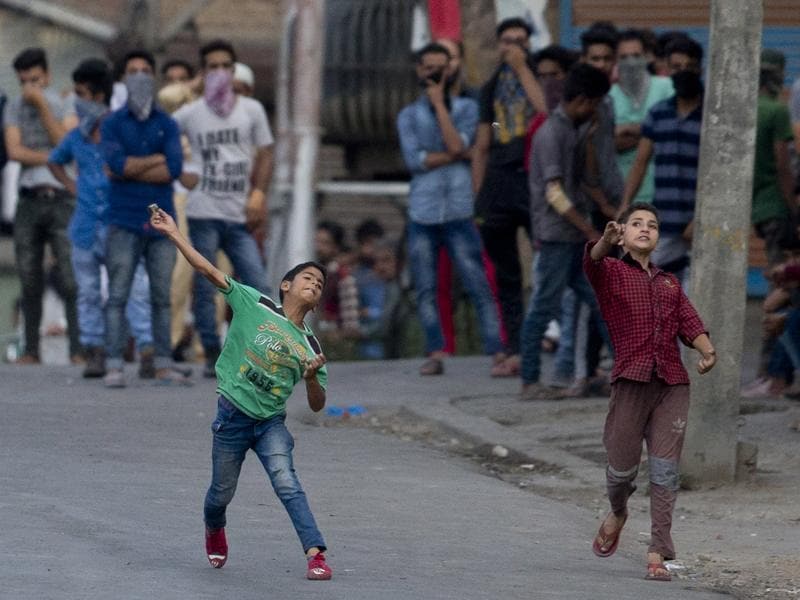
This was apparently done to black out the news that would tell the people that the death toll in the violence in Kashmir had touched 43. Later, the editors of these newspapers were told by the government that they could not publish the newspapers for the next few days in view of apprehensions of more trouble in the Valley. This is unprecedented and reprehensible as the government sees the media also as a threat to peace.
As routine policing failed to contain the outrage Kashmir has never seen after the killing of a militant, the government choked the means of communication people have been using. First it was social media, which according to its managers, was uncontrolled and unaccountable. But the newspapers are very much regulated and accountable. There is a mechanism to cross check the facts and a high degree of responsibility is maintained in disseminating the information to the public. Giving the real picture from the ground to a reader is needed at this time of crisis. By stopping the circulation of newspapers, the government is creating a space for rumour mills that could prove more dangerous.
Read | Kashmir newspapers raided, printing banned for 3 days to ‘ensure peace’
Moreover, a section of national TV channels has taken up the job of firefighting in their own way and projecting as if Kashmir’s population had waged a war. Their reportage and shouting debates are adding fuel to fire even as an average Kashmiri feels pushed to the wall. This does not help to contain the situation but further aggravates it. Local media could be the only tool that could help bring the situation to normal. The logic behind this decision, which was not communicated to the newspaper owners officially, is not understandable.
This is not the first time the media has been gagged. Since 1990, when an armed rebellion broke out in Kashmir, the media has faced numerous challenges. Deaths, threats, intimidation, arrests and coercion has been the part of their daily routine. In 2008 when Armarnath land row derailed normality the media was one of the targets of the government then headed by Governor N N Vohra.
Later in the 2010 unrest, the Omar Abdullah-led government also gagged the media, forcing newspapers to suspend publication for 10 days. To force the newspapers to toe a line, the government has also used the “discretion” of banning DAVP advertisements to prominent newspapers without any legal authority. Now the press emergency that has come under Mehbooba Mufti’s rule has set a new standard in muzzling the press. This won’t help restore normality and surely will dent a democratic institution in a state that is fighting multiple battles to ensure stability.
Read | Kashmir unrest: It’s yesterday once more
The writer is Editor-in Chief, Rising Kashmir. Views expressed are personal.


