E-Paper



Climate and Us | The global climate story is at a crossroads
The debate on adaptation to, and mitigation of, the climate crisis continues to be polarised. The developed world continues to largely avoid its historical responsibility. And in turn, climate goals become difficult to reach.

 Prefer HTon Google


The climate story is becoming increasingly complex. The worry that we may not be able to save the world from a dangerous crisis that will cause irreversible damage to the world, which will, in turn, lead to a chain of disastrous events, is intensifying.
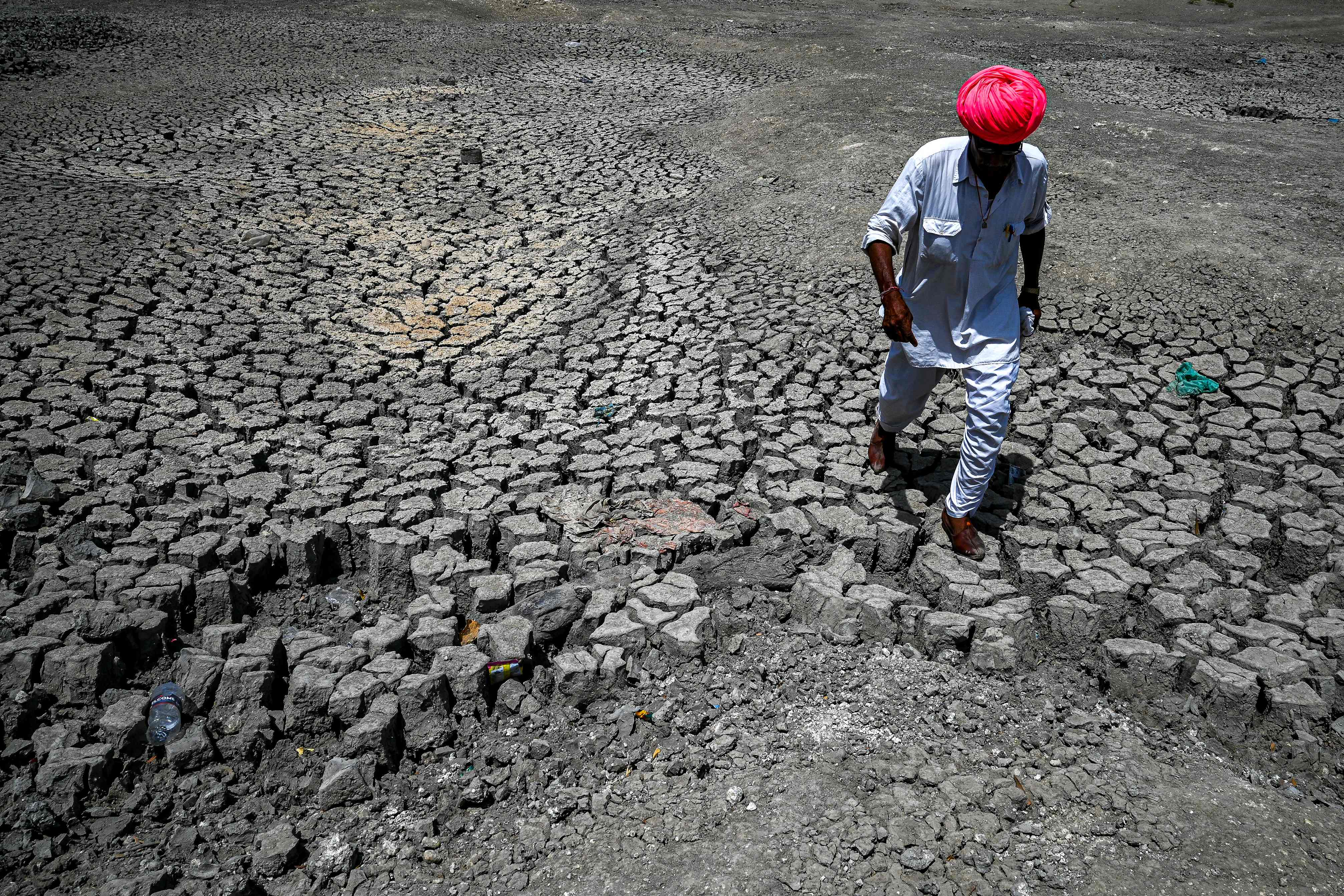
The debate on adaptation to, and mitigation of, the climate crisis continues to be polarised, as is obvious from the developments at the ongoing Bonn climate conference.
New actors are joining the climate space in India amid the Ukraine security crisis which is forcing countries to prioritise domestic energy production.
Here is why the climate story is more complicated now: Several parts of India are facing the most prolonged and severe heatwave spells — which began in March and are continuing even in June. The health and productivity costs of this relentless heat are massive. International finance research firm, Moody’s said on May 23 that the ongoing heatwave spell in India suggests that heightened climate risks could impact economic growth and worsen India’s credit scores. A soaring demand for air conditioning when power plants are facing acute coal shortages has resulted in power outages, while the heatwave has also curbed the country's wheat output. What Moody’s doesn’t capture is the plight of millions of people who cannot afford cooling in India.
Several reports from different parts of the country have indicated that there is now an acute water shortage in parts of Maharashtra, Delhi, and Shimla. Two rapid attribution studies have concluded that the climate crisis made the unusual spring heatwave in India several times more likely.
Last week, I reported that Adani Group — which has interests in businesses such as coal, power, and gas distribution, renewables, ports and airports — will be launching its climate think-tank to influence global opinion on the issue.
The conglomerate will collaborate with other organisations and the government, and involve experts who can contribute to “policymaking that can both usher in a green transition and enable people in developing economies to aspire to higher living standards,” an Adani spokesperson said.
Now there is word that another mining giant with businesses in oil and gas and metals with operations in India, South Africa, and some other parts of Africa will also be opening its climate think-tank soon. This is a new trend in India and several independent experts have compared it to the United States where several corporations support think-tanks that help lobby for a cause. We need to watch out for how these new actors influence the climate crisis story in India and global negotiations. Both developed and developing countries seem to have several of these think tanks that influence policy on fossil fuels.
The third issue is that there has been no movement on climate crisis mitigation since the Glasgow climate conference last November. According to a briefing by the Climate Action Tracker, so far, governments have largely failed to seize their chance to rearrange their energy supplies away from fossil fuels. “Instead, we are witnessing a global “gold rush” for new fossil gas production, pipelines and liquefied natural gas (LNG) facilities. These risks locking us into another high-carbon decade and keeping the Paris Agreement’s 1.5 degrees C limit out of reach,” they said.
CAT found that in response to the Ukraine crisis, several countries have started investing heavily in diversifying fossil fuel sources. New planned LNG import facilities in the European Union (EU) — especially in Germany, Italy, Greece, and the Netherlands — could supply a quarter more gas to the EU than before; Canada plans to fast-track new LNG projects to increase exports; the US has signed a deal to export additional LNG to the EU. Qatar and Egypt have signed similar deals with Germany and Italy, respectively. Algeria has signed a deal to export additional gas via pipeline to Italy. In Africa, old gas pipeline projects are being revived and countries with previously no fossil gas exports are now encouraged to supply gas to Europe.
I am not even delving into the issue of climate finance, which has been a non-starter. There is acute mistrust among developed and developing nations over the delivery of promised climate finance and resistance from developed nations in acknowledging their historical responsibility.
Journalists have often asked United Nations officials and climate scientists if the 1.5 degrees Celsius (°C) goal is obsolete now.
The Intergovernmental Panel on Climate Change (IPCC) had said in its ‘Climate Change 2021: The Physical Science Basis’ report last year that the world may have lost the opportunity to keep global warming under 1.5 °C above pre-industrial levels. The 1.5°C global warming threshold is likely to be breached in the next 10 to 20 years (by 2040) in all emission scenarios, including the one where carbon dioxide (CO2) emissions decline rapidly to net-zero around 2050. IPCC was not referring to a temporary breach of the 1.5 °C goal.
Are we going to see countries accepting at COP 27 that they failed to meet the 1.5 °C goal under the Paris Agreement? Will there be renewed cooperation to keep dangerous global warming at bay? These developments look bleak for now. The situation at COP 27 to be held in Sharm el-Sheikh this November will be very different, perhaps pointing to a slowing down of climate action in 2022.
There needs to be a louder cry now from people, especially the youth, to stop the derailment of climate action. We may be at a point of no return.
From the climate crisis to air pollution, from questions of the development-environment tradeoffs to India’s voice in international negotiations on the environment, HT’s Jayashree Nandi brings her deep domain knowledge in a weekly column
The views expressed are personal