
 E-Paper



Dealing with MAH and Myanmar: Little space for multilateral action
As states will be pushed to respond, international politics in the context of Myanmar will only be more crucial in 2022, if not as dramatic

 Prefer HTon Google


Experts have tried to predict the fate of two issues in Myanmar this year. One, the future of democracy, throttled by the Tatmadaw under the pretext of an allegedly rigged general election in 2020. Two, the status of senior general Min Aung Hlaing (MAH), who, instead of retiring at the age of 65, accrued more power as he became the prime minister in August. As we navigate through the last month of 2021, recent news about Myanmar helps us examine these two variables.
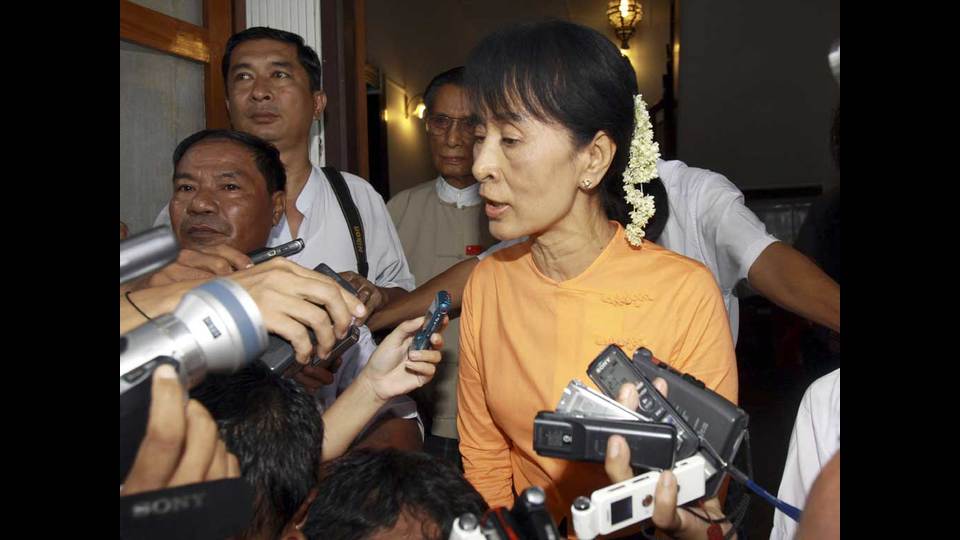
On December 6, ousted state counsellor Aung San Suu Kyi was sentenced to jail for four years. The court in Naypyidaw stated that Suu Kyi flouted the coronavirus pandemic protocols during her election campaign. Further, it noted that she had incited people against the military, disturbing public order. Shortly after, MAH pardoned her by reducing the sentence by two years. The decision to detain her at home was also confirmed. Yet, this is no reflection of the softness of the junta.
Certainly, Suu Kyi dented her image as a torchbearer of human rights and democracy, following her defence of Myanmar at the International Court of Justice in 2019. Yet, at home, she continues to be revered as the constitutionally elected leader. Her arrest, and the decision to keep her locked in, is the closure of any substantive chapter of democracy led by the Nobel Laureate for decades. Even if Suu Kyi is freed after the stipulated time, 78 years will be no age to start afresh.
In the 1990s, things were different. Then, Suu Kyi was not only young and full of fervour, but was politically motivated to overlook even personal losses. In the 2000s, too, a political transition was underway while Suu Kyi gained more experience. Then, she was the face of democracy. Now, the people, especially the youth, have led from the forefront to sustain the Civil Disobedience Movement this year. Further, the National Unity Government may wish to bring new leaders to the fore. Therefore, if Suu Kyi is made to exit, her position may no more be indispensable.
The question is: Will Myanmar witness the return of democracy? Not in 2022. In all probability, the Tatmadaw will extend the emergency. Similarly, if Suu Kyi’s political zeal persists, the junta will extend her detention term, just as it had done more than once before.
During the early months of the coup, MAH did not bow down under sanctions imposed by the United States (US) or the European Union. Nor has he flinched under multilateral international pressure. For instance, the Five Point Consensus proposed by the Association of Southeast Asian Nations (ASEAN) is unlikely to be pursued by MAH. However, he showed some interest in June and September. But, ignoring MAH during the ASEAN summit in October was the right move. On December 10, the US imposed human rights sanctions on Myanmar. Meanwhile, the International Criminal Court charged MAH with crimes against humanity. The State excesses continue even today. On December 7, 11 villagers were killed in the Saigaing region, and their bodies were allegedly set on fire by government troops. More than 1,300 people have been killed so far since February.
How will the world deal with MAH and Myanmar? This is more difficult to answer. But expectedly, the international interface with Myanmar will be more individually crafted than multilaterally. Signs of this have already appeared. Last week, Cambodia’s prime minister Hun Sen showed interest in engaging with Myanmar, as Cambodia prepares to be the next ASEAN chair. As states will be pushed to respond, international politics in the context of Myanmar will only be more crucial in 2022, if not as dramatic.
Shrabana Barua is assistant professor, department of Political Science, Hindu College
The views expressed are personal


