The India Meteorological Department (IMD) declared the onset of the 2022 Indian monsoon over Kerala on May 29, after it received 2.5 mm of rainfall over 10 stations in 24 hours, although technically, it should have rained 2.5 mm over 14 stations, covering a larger area.
In 2021, the overall monsoon rainfall received in the country increased from 94% to 99% of the normal rainfall. But IMD added the rainfall received after the monsoon technically ended, stating that the rains
The India Meteorological Department (IMD) declared the onset of the 2022 Indian monsoon over Kerala on May 29, after it received 2.5 mm of rainfall over 10 stations in 24 hours, although technically, it should have rained 2.5 mm over 14 stations, covering a larger area.
In 2021, the overall monsoon rainfall received in the country increased from 94% to 99% of the normal rainfall. But IMD added the rainfall received after the monsoon technically ended, stating that the rains received were due to prevailing monsoon conditions over certain areas.
These two examples have put a question mark over the way IMD collects its rainfall data and presents its annual monsoon rainfall. Moreover, Kerala has witnessed 50% less rainfall than normal in the first six days of the monsoon.
There are more examples in recent years of IMD altering its norms to make people believe that the monsoon is normal. One was the change in the definition of “normal rainfall” to the average of the last decade.
For decades, IMD calculated normal rainfalls over a longer period than 10 years. Average rainfall in a decade may not measure the actual long term rainfall change trends caused by the climate crisis. This may, in turn, normalise these trends and minimise the impacts of the climate crisis.
IMD’s way to measure normal rainfall based on cumulative rainfall during the four-month-long monsoon period from June to September hides more than it shows. It doesn’t show that while rainy hours and days in the country are falling, extreme rainfall events are rising, while the cumulative rainfall has remained the same, thus showing the monsoon to be normal.
Lessons from 2019
Take the example of 2019, when the average rainfall received during the monsoon months was more than normal. IMD describes rainfall as normal if the average cumulative rain is 90% to 110% of the long period average (LPA). According to IMD, the “LPA of rainfall is the rainfall recorded over a particular region for a given interval (like month or season) average over a long period like 30 years, 50 years, etc”.
2019 recorded 115% of the LPA after 23 years despite 30% deficit rainfall in June, and September recording the second-highest LPA in 102 years. That year, IMD said, was of the highest recorded extreme rainfall events, meaning that more than 250 mm of rainfall was received at a meteorological station in 24 hours.
Despite that, in several places, the rainy hours or days have not increased. Analysis of IMD data showed that the rainy hours were less than in previous years — at about 25% of the total meteorological locations.
And, the scientific explanation for this is that extreme rainfall may bring so much rain within a few hours that it would erase the rainfall deficiency of months in one go. So, suddenly a place would appear on the IMD map as rain surplus, from deficient, even though large amounts of the water were run-off — which does not help with groundwater retention or agriculture.
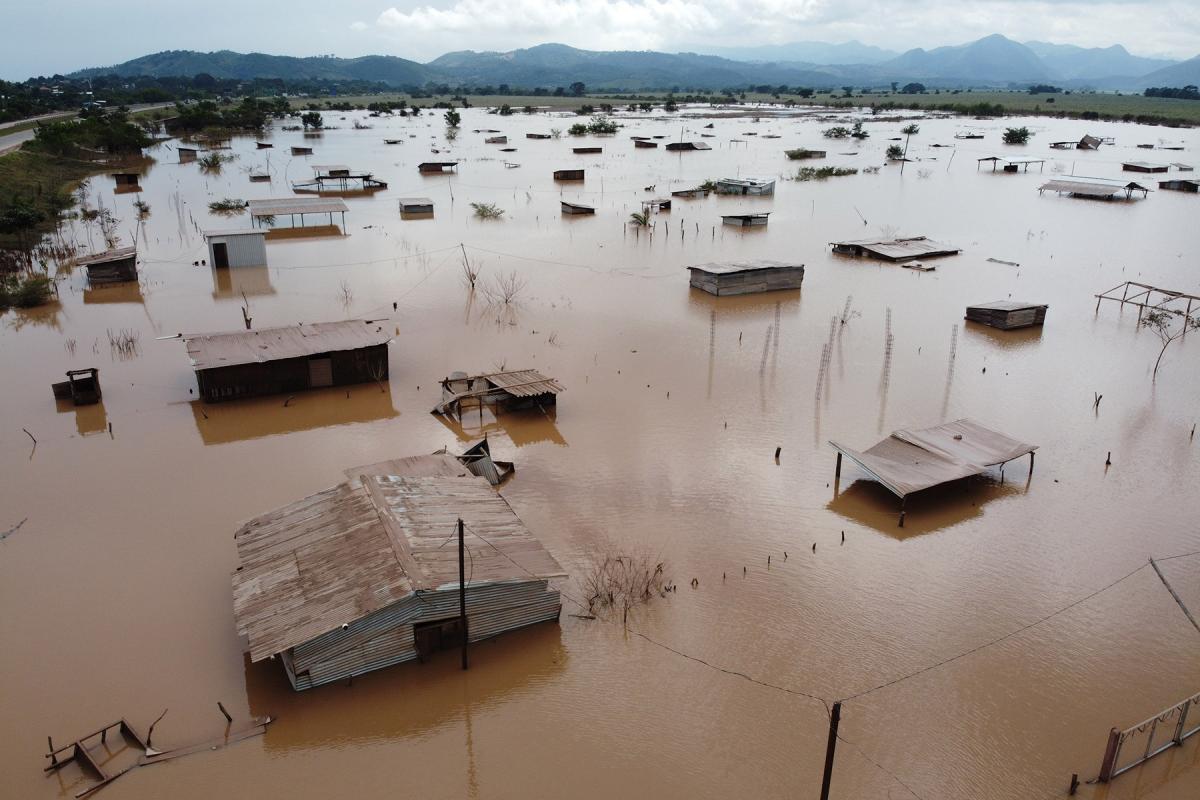
Over the past few decades, India’s total annual rainfall averages haven’t changed, but the intensity of precipitation has increased as extreme weather events (EWEs) become more frequent and widespread. The IMD recorded 560 extreme rainfall events in 2019 — 74% more than the previous year.
An analysis of IMD data shows that rainy hours and rainy days are coming down at a steady pace, without any impact on cumulative rainfall for the monsoon period.
Rainy days in big cities
In 2018, a study of rainfall data of 22 big cities in the country showed that almost half of all the monsoon rain comes to these cities in a few days. For instance, Delhi received 50% of rainfall in 33 hours, Mumbai in 134, Chennai in 121, Ahmedabad in 46 hours, and Bengaluru in 141 hours in 2018.
In a way, most cities receive half of the rainfall in less than a week. And, the rest of the monsoon days are mostly dry. This is not reflected in IMD data, which just shows that a deficiency in rainfall followed by or following an extreme rainfall event is enough to show the monsoon as normal or above normal.
A 2007 study of the rainfall data of Kerala, from where the southwest monsoon arrives and leaves, by the Indian Statistical Institute, showed that the rainy days in the state had fallen by nearly 25% since the 1960s, even though most years had normal cumulative rainfall. The study also said that in certain areas, the fall in the percentage of rainy days was as high as 40%.
Monsoon: India's lifeline
The nation’s meteorological department does, however, admit that this is a clear consequence of the climate crisis. Intense storms pose a huge danger to India’s agriculture-based economy and millions of farmers whose livelihoods still largely rely on a consistent rainfall season.
In the backdrop of how the climate crisis impacts the Indian monsoon, the government needs to change the way it informs people about rainfall data. In India, the monsoon is the lifeline of the economy, which shapes the country’s agriculture sector and ensures food security. It should inform its citizens of the number of hours it has rained in the country, in addition to cumulative rainfall.
Averaging out the rainfall hours for the entire country and every station is not difficult, as per some former IMD senior officials to whom this author spoke. They say 1 mm of rain in an hour could be considered a rainy hour. “The data is available with the IMD,” a former official said. “It needs to be culled and presented in a people-friendly manner.”
It is awareness about the number of rainy hours that can help make people understand the impacts of the climate crisis on the Indian monsoon. It could also help the government advocate for less water-intensive crops and effect livelihood changes.
The views expressed are personal
One Subscription.
Get 360° coverage—from daily headlines
to 100 year archives.
Archives
HT App & Website