
 E-Paper



G20 has seeded crucial global health initiatives
India lays the foundation for inclusive and holistic universal health architecture ahead of September's G20 summit

 Prefer HTon Google


As India prepares to host the 18th G20 heads of State and government summit in New Delhi, the foundation of the bridge that connects the Global South and Global North to build an inclusive and holistic universal health architecture has been laid. This was done when Prime Minister (PM) Narendra Modi recently said in Gandhinagar, “Let us open our innovations for public good. Let us avoid duplication of funding. Let us facilitate equitable availability of technology.”
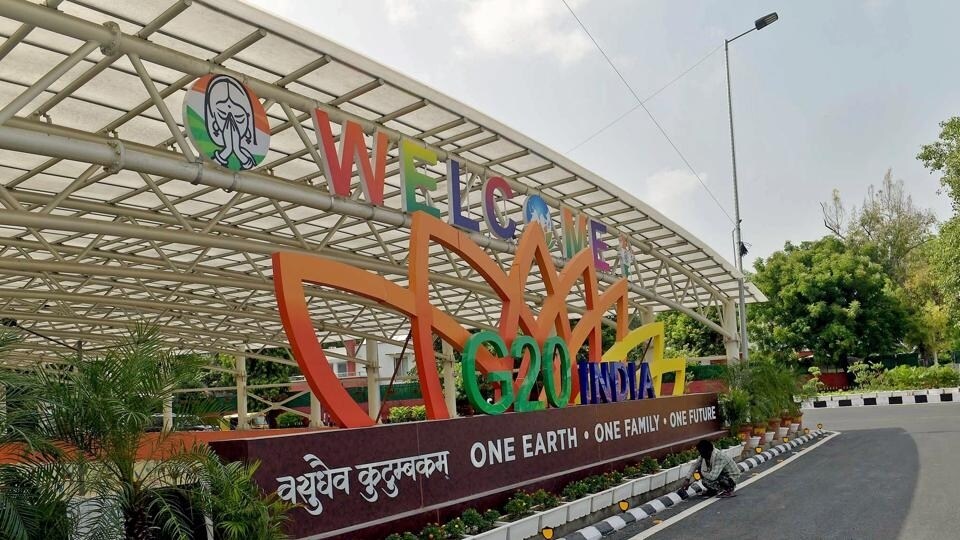
It is heartening to see that members have come a long way to act on collective wisdom gleaned during and since the pandemic years – real freedom begins only when the health of humanity remains uncompromised; no amount of economic well-being can be enjoyed if a virus decides to play havoc; and we are ill-prepared to respond. That has been the underlying premise of deliberations on critical health priorities under India’s G20 presidency.
We have successfully managed to build an overarching consensus that collective global action is the way forward to prevent, prepare and respond to future health emergencies, and our recovery from the pandemic must be equitable.
Some crucial global action includes building a consensus on the principles and architecture of a medical countermeasure platform that can reduce existing inequities in access to vaccines, therapeutics, diagnostics and other solutions, a global initiative on digital health that can capture the strides of digital health initiatives from the specific context of other countries, evolving our understanding of how climate and health affect each other, and dipping into our reservoir of traditional medicines so that the health of our future can gain from the wisdom of our past. The Covid-19 vaccination and diagnostic coverage revealed our entrenched inequities, which we must overcome. In an increasingly interconnected world, the threat from pathogens to one country is a threat to the world, and we must agree upon the principles and a global architecture that can enable equitable and timely access to vaccines, diagnostic tests, medicines, and other solutions for all countries.
Such a global platform should be inclusive, which means it takes into consideration voices that face access barriers to solutions; efficient, which means it builds on existing capabilities and networks with speed; agile and adaptable, which means it has inbuilt flexibility to rapidly adapt to changing needs and scientific evidence; and accountable, which means there is a clear and shared responsibility in a transparent framework. Through G20, we have committed to a WHO-led consultation with adequate representation of low- and middle-income countries on building an interim mechanism to implement such a platform without delay. The G20 countries have also underscored the need to bolster regional manufacturing capabilities of vaccines, therapeutic and diagnostic products, particularly in developing countries.
Digital health emerged as one of the most powerful accelerators towards achieving universal health care. During Covid-19, platforms such as CoWIN and eSanjeevani proved to be game-changers, democratising the way vaccines and health care services were delivered to over one billion people. India is already creating a national digital health ecosystem — Ayushman Bharat Digital Mission (ABDM) — that empowers patients.
That over 120 countries have developed their national digital health policies or strategies indicates the appetite for digital health tools across the world. The launch of the WHO-led global initiative on digital health (GIDH) on August 19 under India’s G20 presidency can help the world move towards a global digital health regime, from a fragmented digital health space. This initiative aims to support countries to plan and implement high-quality digital health systems and help patients access health care services based on a people-centric approach with the highest regard for privacy and ethics.
Despite climate consciousness seeping into all sectors, the complex links between how climate impacts health are yet to be fully decoded. India’s presidency acknowledged the need to unravel these invisible links. G20 countries committed to prioritise low-carbon, high-quality sustainable and climate-resilient health systems, to ensure that our health sector is not becoming a laggard at a time when all sectors are doing their bit to attain net-zero goals. In our outcome document, G20 countries have also promised to tackle antimicrobial resistance (AMR) through the one-health approach. “Aarogyam paramam bhagyam, swasthya sarvartha sadhanam,” says a timeless shloka, meaning “Freedom from diseases is the ultimate destiny, and good health the basis for achieving every other wealth”. After the humbling experience of the pandemic, the G20 paid heed and decided that the time to act is now.
Mansukh Mandaviya is Union health minister. The views expressed are personal


