
 E-Paper



Scientifically Speaking | Uncovering the hidden role of gut bacteria in breaking down cellulose
A groundbreaking study reveals that humans possess gut bacteria capable of breaking down cellulose, challenging the notion that it is indigestible for us.

 Prefer HTon Google


Humans eat plants, but for the longest time, it was thought that we could not break down cellulose, unlike some animals such as horses and cows that ferment plants to release energy. Plant cell walls are full of cellulose, a type of plant fibre that's packed with potential calories. But at the time, it was common knowledge that the energy in cellulose was seemingly inaccessible to us.
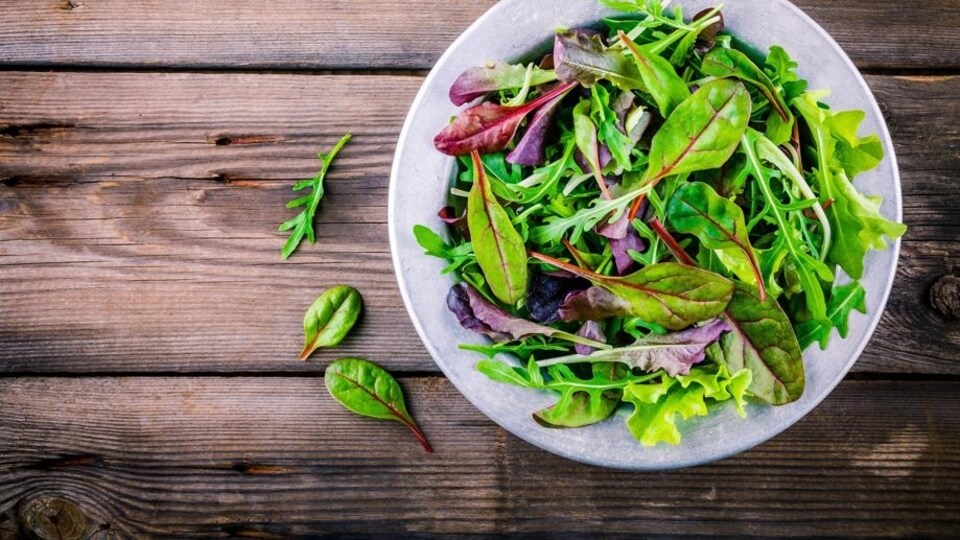
Sure, the digestive benefits of eating plants that contain cellulose were known, but cellulose was thought to be of no nutritional value. It was indigestible and simply added bulk.
In fact, I did a quick online search for “Can humans digest cellulose?” and came across links to a half-dozen Indian tutorial sites that proclaim in a matter-of-fact manner that we cannot digest this plant component because we lack the enzymes that break it down. The truth is a bit more complex.
A new research article published in the journal Science on March 15 by an international team of scientists led by Itzhak Mizrahi at the Ben-Gurion University of the Negev in Israel turns the assumption that humans cannot use cellulose as an energy source on its head.
But before I get to their findings, let me provide a little more background. Back in the 1980s, when scientists thought humans couldn't digest cellulose, they gave ten healthy people a special type of cellulose labelled with radioactive carbon and tracked it through their bodies over seven days using stool and breath samples. They found that only 57% of the cellulose ended up in stool as one might expect from an indigestible compound. The numbers didn’t add up!
So, where did the rest end up? The consensus was that the cellulose in the study was impure, but now we know that some of it may have been digested by gut bacteria that can break down cellulose.
Back then, there wasn’t an appreciation of the role that the trillions of bacteria that make our microbiome play not only in digestion but also in other aspects of human health. Many of these beneficial bacteria break down complex molecules in the food we eat into simpler molecules using enzymes that our human cells don’t possess. They then pass off some of this useful energy -- providing simpler molecules to the cells of our body.
Our perspective began to shift with discoveries in the subsequent years, indicating that certain bacteria living in the human gut could indeed break down cellulose. The presence of these bacteria suggested that humans were able to get more out of plant-based foods than previously thought. However, comprehensive understanding and evidence of these cellulose-digesting bacteria in humans remained scarce, till the study published in Science last week.
In the study, the scientists discovered specific bacteria that belong to the Ruminococcus family, which wield intricate enzyme machines that break down cellulose. These bacteria help us break down plant fibre into nutrients which the human body can absorb and utilise.
What is also striking about the study is the discovery that these cellulose-degrading bacteria are not uniformly distributed across human populations. They are plentiful among communities living closer to nature — hunter-gatherers, and rural populations — but are conspicuously scarce in people living in urbanised settings. The narrative here seems to be, that the more plants people eat, the more they retain the bacteria that help them break them down.
The evolutionary journey of these bacteria is equally captivating. One species seems to have colonized the human gut from the ruminant gut, likely when our ancestors domesticated those animals. In the human gut environment, this microbe thrives by borrowing genes from other gut inhabitants. This genetic exchange allowed it to fine-tune its cellulose-degrading abilities to suit its new human host.
This discovery is important for several reasons. First, it directly challenges the long-held belief that humans can't digest cellulose. Second, it underscores the importance of dietary fibre, since the cellulose in our diet isn't just a "filler" but a resource that specific gut bacteria convert into nutrients we can use. Third, the study shows how modern diets, which are often low in plant-based fibre and high in processed foods, might be depriving these cellulose-digesting bacteria of the materials they need to thrive, which likely diminishes our ability to digest plants.
By understanding the specific mechanisms and bacteria involved in cellulose digestion, this research opens the door to dietary interventions that can enhance the presence and activity of these cellulose-digesting microbes in the human gut.
But you don’t need expensive or untested probiotics to reap the benefits right now. Just follow Michael Pollan’s simple wisdom, “Eat food. Not too much. Mostly plants.”
Anirban Mahapatra is a scientist and author. His second popular science book, When The Drugs Don’t Work: The Hidden Pandemic That Could End Medicine, will be published this year. The views expressed are personal.


