After Covid, the re-integration of women into the economy has been slow. One reason for this, at least in urban settings, is the fact that planners have overlooked the needs of women in accessing urban institutions. These include better public lighting, inclusive and secure transportation systems, hygienic sanitation facilities, access to resources, and reimaging local frameworks that aid in enhanced governance systems.
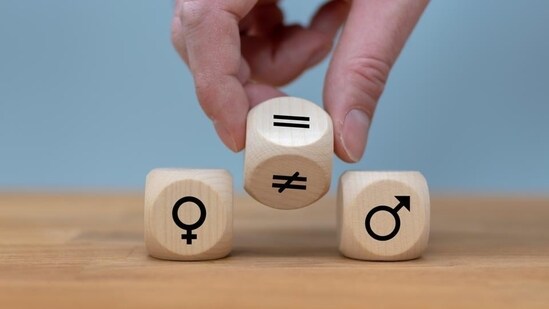
This neglect of gender perspectives in city building has led to further marginalisation. Women face discrimination in myriad
After Covid, the re-integration of women into the economy has been slow. One reason for this, at least in urban settings, is the fact that planners have overlooked the needs of women in accessing urban institutions. These include better public lighting, inclusive and secure transportation systems, hygienic sanitation facilities, access to resources, and reimaging local frameworks that aid in enhanced governance systems.
This neglect of gender perspectives in city building has led to further marginalisation. Women face discrimination in myriad ways including limiting their access to resources and decision-making power. What we need is thoughtful urban planning along with equitable allocation of public services, keeping in mind the unique needs of historically disadvantaged communities. According to a World Bank report, gender equality fosters innovation, enhances productivity, and improves governance within cities.
The inclusion of gender perspectives in urban development is a crucial aspect of the Urban20 (U20) framework in the G20 process. As India heads for the G20 summit next month, it has embraced a transformative approach in its presidency that has shifted focus from the development of women to women-led development. Through integrating a gender lens into urban development, the U20 aims to create a platform that guarantees equitable access for all citizens to both private and public forums. This is in alignment with Sustainable Development Goal 5 (SDG 5) on gender equality.
In a report by the Kubernein Initiative, National Institute of Urban Affairs and UN Women, a gender lens has been cast on the six U20 areas — environmentally responsible behaviours, water security, climate finance, championing local identity, catalysing digital urban futures, and reinventing frameworks for urban governance and planning. It suggests actionable interventions that can be adopted by communities, civil society organisations, private and public sector institutions, and pathways for better integration and collaboration.
The report suggests that for women to integrate fully, existing power structures have to be challenged, and establishing frameworks accessible to all women, including those from marginalised communities. There are many ways this can be done. One would be to integrate gender perspectives in urban governance through the implementation of participatory mechanisms such as stakeholder consultations. “Indian cities are some of the fastest growing in the world and Covid and the climate crisis have exposed fault lines and gaps in our development that affect women more. Without a more balanced, gender-conscious framework for our urban futures, we will never achieve the growth and security we aspire to,” says Ambika Vishwanath, founder, Kubernein Initiative.
The report rightly speaks of monitoring gender metrics within city plans through gender advisory committees. The vulnerabilities and concerns faced by women across cities at the micro-level must be ascertained through surveys and studies. Local women leaders, must be engaged in decision-making platforms, committees, and forums. Existing data can form the basis for service delivery even as more localised and granular data is collected. Public transport has to be strengthened with a focus on improving last mile connectivity as inclusive and safe public transport holds the key to women’s mobility.
Another suggestion made in the report is the introduction of city gender officers within urban local bodies, considering the safety and accessibility of public spaces are crucial to promoting women’s equal participation in urban life. India’s G20 presidency has thrown up a number of issues related to justice and rights for women. If going forward, the focus can include institutional infrastructure for women such as child care centres, elderly care centres, and support services for single parents at the neighbourhood level, the benefits will be not just for women but also for the economy.
The views expressed are personal
One Subscription.
Get 360° coverage—from daily headlines
to 100 year archives.
Archives
HT App & Website