The Rajasthan assembly’s decision to up its quota ceiling in jobs and educational institutions by 19%--taking the overall quota to 68%-- militates against the Supreme Court order of 1992, which had said that reservations should on no account breach the 50% limit. However, there is a precedent to this decision to cross the 50% barrier. In 1994 the Tamil Nadu government had announced about 68% reservation in government jobs and educational institutions. When the matter went up for judicial hearing, the 76th Amendment to the Constitution was passed by Parliament and the decision of the Tamil Nadu government was put on the Ninth Schedule of the Constitution, making it exempt from judicial review. But the litigation did take a circuitous path and the matter is with the Supreme Court still.
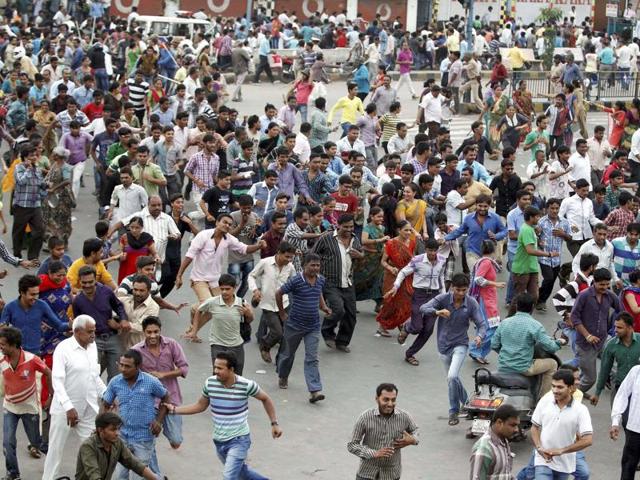
One noticeable element in Tuesday’s decision has been that it has set aside 14% reservation for the ‘extremely backward classes’ among the ‘forward castes’ (read upper castes), apart from the 5% for the special backward classes, including the Gujjars. This is no doubt caste-based reservation but has an economic component to it. And the reservation for the Gujjars has been in response to the community’s agitation for eight years. The opposition party, the Congress, is unlikely to oppose this decision because it got the support of Gujjar leader Kirori Singh Bainsla in the assembly elections of 2013. This decision will no doubt lead to similar demands from other parts of the country. And with the Tamil Nadu precedent being there, the 50% limit will virtually cease to matter. Since many political parties in India are caste-based, there is every possibility that the principle of administrative neutrality will be diluted as officials who have got the benefit of quotas are bound to get caught up in caste tangles.
The rationale of reservation was the economic backwardness of the masses and the oppression by upper castes. However, the Constitution does neither list the backward castes nor define the term ‘backward’. The same goes for ‘scheduled tribes’ or ‘scheduled castes’. However, it does leave provisions for all the three. Which categories are to be included in which group is entirely the decision of the executive. If reservation is to be given in accordance with a backward community’s population proportion, then clearly the extent of the quotas has to be restructured from time to time because the proportions of various communities in India’s population will vary. Another point could be taken into account. If a person’s grandfather and father have got the benefit of reservation, does she or he require it anymore? Also the reservation for scheduled castes and tribes presupposes they are an undifferentiated category. But research says there are varying levels of prosperity and poverty among them. The whole reservation policy deserves to be rationalised keeping the economic conditions of the people in mind.
{{/usCountry}}The rationale of reservation was the economic backwardness of the masses and the oppression by upper castes. However, the Constitution does neither list the backward castes nor define the term ‘backward’. The same goes for ‘scheduled tribes’ or ‘scheduled castes’. However, it does leave provisions for all the three. Which categories are to be included in which group is entirely the decision of the executive. If reservation is to be given in accordance with a backward community’s population proportion, then clearly the extent of the quotas has to be restructured from time to time because the proportions of various communities in India’s population will vary. Another point could be taken into account. If a person’s grandfather and father have got the benefit of reservation, does she or he require it anymore? Also the reservation for scheduled castes and tribes presupposes they are an undifferentiated category. But research says there are varying levels of prosperity and poverty among them. The whole reservation policy deserves to be rationalised keeping the economic conditions of the people in mind.
{{/usCountry}}