
 E-Paper



Zika cases in India reveal gaping holes in our healthcare system
A press release by World Health Organisation says that the Zika virus was present in the country in November 2016. It was too good to be true that India was not one of these countries despite the presence of vector

 Prefer HTon Google


Mystery fevers are not new to India. It was not unusual that government was unable to identify the cause of fever, joint pains and rashes and redness of eyes in patients last year. Some patients tested positive for chikungunya virus and dengue virus but many of the cases were neither. This did not raise concern as “undifferentiated fever is a seasonal event and nothing new and can be due to various factors”, the director of the National Institute of Virology (NIV) said in September 2016.
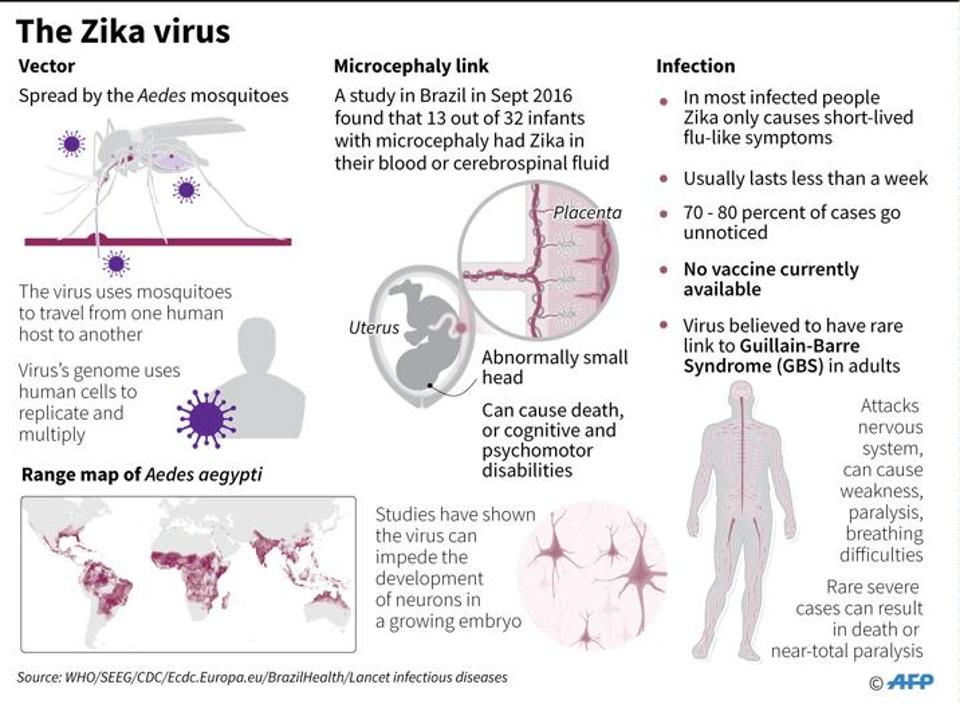
But there was something new that the government should have considered. Zika virus was an international emergency last year and it causes these symptoms too. There were reports of person-to-person transmission of this virus and many countries had reported microcephaly and other malformations. It seemed too good to be true that India wasn’t one of these countries despite the presence of vector or that the neighbouring countries had reported cases or that Indians travel extensively and could import the disease easily.
Now, a press release by World Health Organisation, dated May 26, says that the disease was present in the country in November 2016. The first case to be confirmed was a pregnant woman who delivered a healthy baby on November 9, 2016. She developed fever after delivery and tested positive by NIV Pune in January 2017.
The second case was also a pregnant woman whose blood sample was collected in a routine antenatal test between January 6 and 12 this year at Ahmedabad, Gujarat. There is a bit of discrepancy in the press release which suggests that this was confirmed positive at NIV, Pune on January 4 2017, which is before the sample was collected.
Mistakes apart, the real concern here is that though the presence of the virus was first confirmed by NIV, Pune in January 2017, we got to know about it in May. A PIB release dated June 1 says this information was revealed in the Lok Sabha in March 2017 but the answer in Lok Sabha wasn’t very clear. This is no way to deal with medical emergencies. The idea of surveillance is to take immediate action which includes informing the public about the risks. The authorities say that they did not reveal this earlier to avoid panic.
A total of three cases have been confirmed and WHO says that the disease could be circulating in India. Though Ministry of Health and Family Welfare’s website shows a set of documents, including the Action Plan of Managing Zika Virus, these are old and do not talk about the present risks. Gujarat’s Health and Family Welfare Department’s site also does not mention Zika. Websites of the National Vector Disease Control Programme and the National Centre for Disease Control do not mention the disease either. The website of Integrated Disease Surveillance Program has disease alerts from 2016 and Zika is not mentioned. NIV’s site also does not have anything on the current risks. Only ICMR’s site has an update in May 2017. All websites were accessed on June 2. Are we serious about tackling the disease? Presumably everything is quite because Zika fever is no longer an international emergency.
It is also pertinent to consider why this information has been made public now. In the worst case scenario, many women who conceived since November 2016 could give birth to children suffering from microcephaly. Maybe the government has already some evidence on this. We will just have to wait and watch from August onwards. So far, India has no plan on how to deal with these children. This could be a big burden on our weak public health system. .
Vibha Varshney writes on health issues for Down to Earth magazine at the Centre for Science and Environment.
The views expressed are personal


