
 E-Paper



Photos: A town crier in Old Delhi and a fading Ramzan tradition
Nawabuddin, the oldest town crier of Delhi’s Walled City, roams the streets at night during Ramzan to wake devotees for the sehri meal and to reconnect with his neighbours and the community. Intrinsic to Muslim culture around the world, people like him go by various titles. In most places, they roam neighbourhoods in traditional attire with trumpets or drums. In Old Delhi, where just three town criers remain, they don’t have any particular name nor do they carry musical instruments. Just men going about waking people with their calls, lest people miss the day’s fast to a night’s sleep.
Updated on: Jun 04, 2018 11:20 AM IST

Share via


Copy link

1/7
 View Photos in a new improved layout
Updated on Jun 04, 2018 11:20 AM
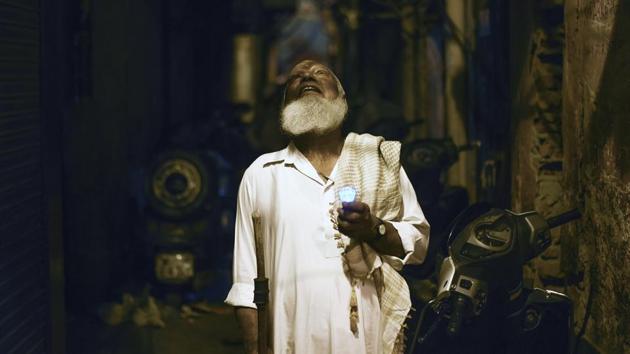
It’s 2:30 am in Old Delhi’s Sheesh Mahal area, a cricket match in being played to an audience looking out from their balconies. Further away, young men on motorbikes, a flea market and food stalls hum away. For Nawabuddin, 75, or ‘Peer ji’ to do his job as a town crier—of waking people up for sehri in the month of Ramzan— he must remain oblivious to the fact that the Walled City is actually awake. (Burhaan Kinu / HT Photo)
2/7
 View Photos in a new improved layout
Updated on Jun 04, 2018 11:20 AM
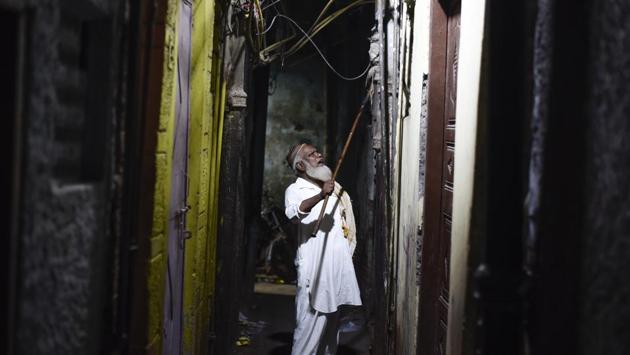
Wearing a white pathani suit, skull cap and a keffiyeh spread across his left shoulder Peer ji limps to each structure, carrying a wooden stick which he lifts to bang on the doors. “Rozedarooo, uth jao (Those fasting, awake),” his hoarse call ringing out. (Burhaan Kinu / HT Photo)
3/7
 View Photos in a new improved layout
Updated on Jun 04, 2018 11:20 AM
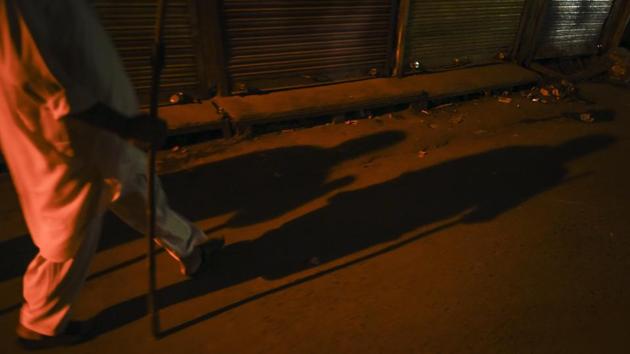
Peer ji is perhaps the last generation of Old Delhi’s town criers. Intrinsic to Muslim culture around the world, people like him go by various titles –– Nafar (in Morocco), Musarati (Egypt), Hil hiwai (UAE) and Seher Khan (Srinagar). In most places, they roam the neighbourhood in traditional attire, blowing trumpets or beating drums. Here, they don’t have any such name or instruments. (Burhaan Kinu / HT Photo)
4/7
 View Photos in a new improved layout
Updated on Jun 04, 2018 11:20 AM
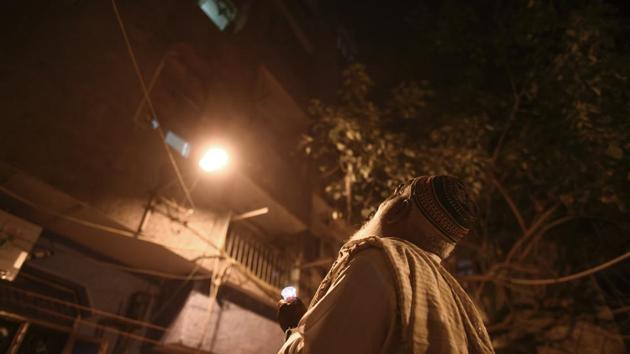
There’s no competition today, compared to 40 years ago, when Peer ji first began to volunteer for the task. Every Muslim neighbourhood would have one man designated for this duty. There are, at present, only three left in Old Delhi. At night, he would also encounter groups of hymn singers carrying lanterns; each group visiting a different locality each day. They too have disappeared. (Burhaan Kinu / HT Photo)
5/7
 View Photos in a new improved layout
Updated on Jun 04, 2018 11:20 AM
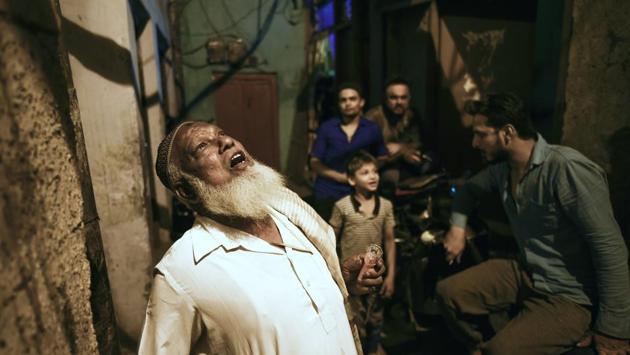
Peer ji knows the occupants of most houses by name or profession. “Doctor sahab”...“Master ji”...“Vakeel sahab,” he calls out. Standing beneath tenements in closed alleys, he positions himself in areas that are most likely to echo his call, rather than go to each house. Occasionally, a voice shouts back that he doesn’t have to be so loud. (Burhaan Kinu / HT Photo)
6/7
 View Photos in a new improved layout
Updated on Jun 04, 2018 11:20 AM
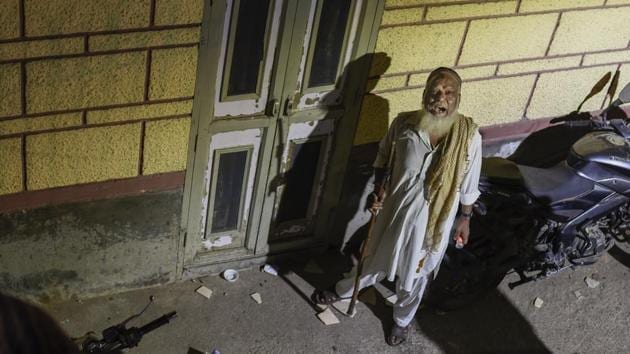
The task has its own complexities and comes with its own protocol. For instance, Peer ji waits beneath the house of heavy sleepers, till they respond to his call. He has to ensure not to intrude into another town crier’s area. And he never calls out the names of the deceased even if theirs was the name he would call out earlier. (Burhaan Kinu / HT Photo)
7/7
 View Photos in a new improved layout
Updated on Jun 04, 2018 11:20 AM


