
 E-Paper



Photos: Air quality drops to ‘severe’ in Delhi post Diwali, season’s worst
Air quality across the national capital turned ‘severe’ on Monday, a day after the Diwali celebrations. According to the System of Air Quality and Weather Forecasting and Research (SAFAR), the overall air quality on Delhi stood at 463 at 9 am. Last year, Delhi had recorded “very poor” air with AQI of 390 on November 8, 2018, the day after Diwali. In 2017 it was “severe” with an AQI of 403 (October 20) while in 2016 the AQI was 445 the day after Diwali (October 31). The air quality had remained dangerously high for a week after Diwali in the previous years.
Updated on: Oct 28, 2019 12:10 PM IST

Share via


Copy link

1/9
 View Photos in a new improved layout
Updated on Oct 28, 2019 12:10 PM
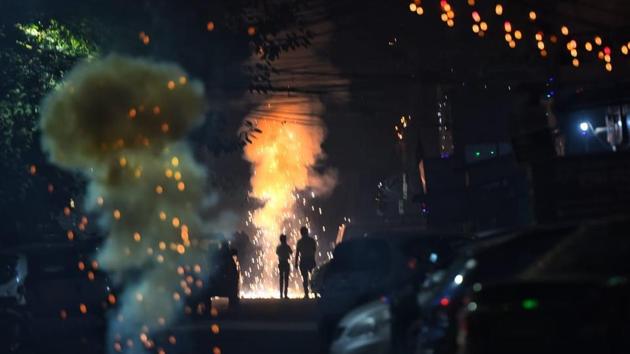
Crackers being burst on the occasion of Diwali in Delhi. The national capital’s air quality dropped to the season’s worst on Monday morning, but the situation was still better than the last three years, according to government agencies. SAFAR had predicted that AQI will dip and enter “severe” category. In a statement, it said that wind speed direction and speed may help disperse the pollutants by Tuesday. (Sanchit Khanna / HT Photo)
2/9
 View Photos in a new improved layout
Updated on Oct 28, 2019 12:10 PM
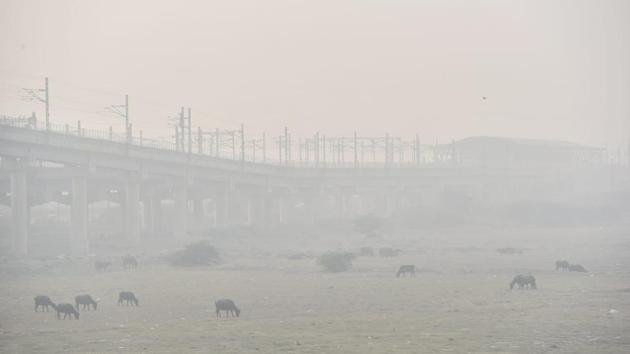
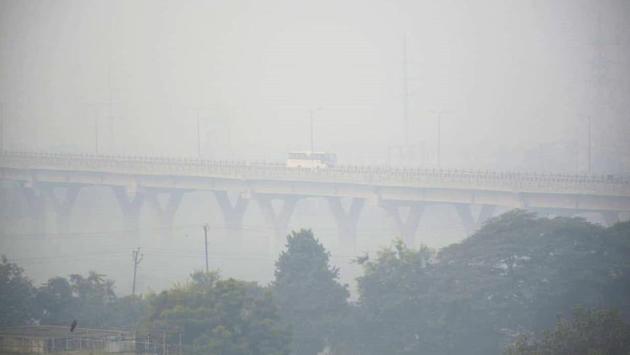
Smog left over the national capital on Monday morning, severely cutting visibility. In the run up to Diwali this year, the air quality had been much cleaner in comparison to days preceding the festival since 2016. Experts had warned that the real test would start after Diwali. On Saturday, a day before Diwali, AQI was 287 (poor) compared to 338 (very poor) on the festival’s eve last year. (Sanchit Khanna / HT Photo)
3/9
 View Photos in a new improved layout
Updated on Oct 28, 2019 12:10 PM
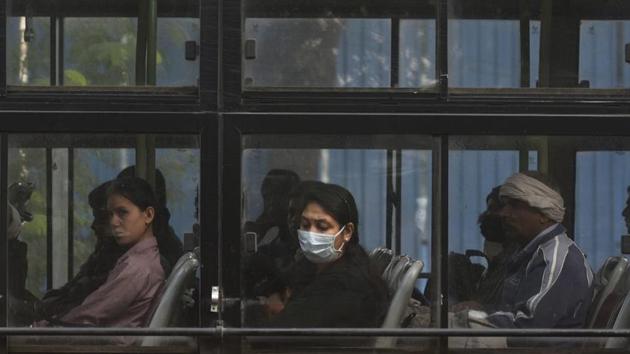
Commuters on Monday morning near Ashram. Authorities has sounded a “high alert” on Saturday and banned overnight construction work. Coal-based industries are also shut till Wednesday. This year, there were restrictions put on fireworks and only “green crackers”, with 30% fewer emissions than traditional ones, were allowed. Green crackers do not contain harmful chemicals like Barium. (Biplov Bhuyan / HT Photo)
4/9
 View Photos in a new improved layout
Updated on Oct 28, 2019 12:10 PM
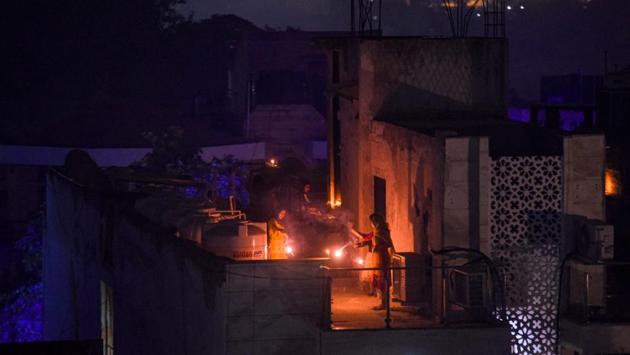
Crackers can be burst only between 8pm and 10pm on Diwali, according to Supreme Court guidelines. The top court had in 2018 banned polluting firecrackers and ordered that only green firecrackers can be manufactured and sold. (Amal KS / HT Photo)
5/9
 View Photos in a new improved layout
Updated on Oct 28, 2019 12:10 PM
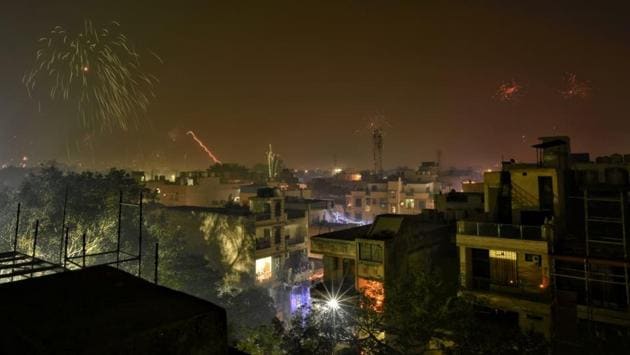
Last night, people reported violation of the Supreme Court-enforced two-hour window in Malviya Nagar, Lajpat Nagar, Kailash Hills, Burari, Jangpura, Shahdara, Laxmi Nagar, Mayur Vihar, Sarita Vihar, Hari Nagar, New Friends Colony, Hauz Khas, Gautam Nagar, Dwarka among others places. Residents in Noida, Gurgaon, Ghaziabad also reported extensive fireworks much beyond the timeframe. (Sanchit Khanna / HT Photo)
6/9
 View Photos in a new improved layout
Updated on Oct 28, 2019 12:10 PM
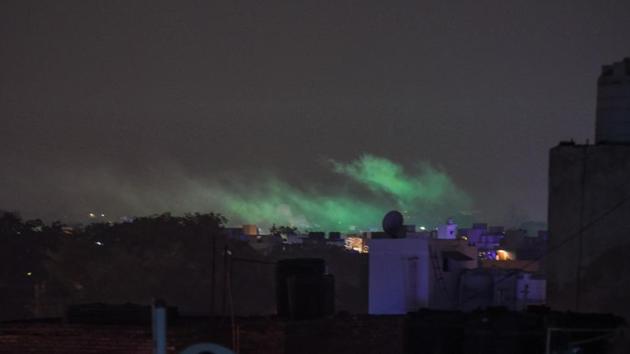
Residue from firecrackers wafts through the night sky on Sunday. People could also be seen bursting crackers before 8 PM, however, the intensity remained low. The levels of PM10 — tiny particulate matter of diameter 10 or less than 10 microns that can enter deep into the lungs — had on Sunday reached as high as 515 micrograms per cubic metre in Anand Vihar. (Amal KS / HT Photo)
7/9
 View Photos in a new improved layout
Updated on Oct 28, 2019 12:10 PM
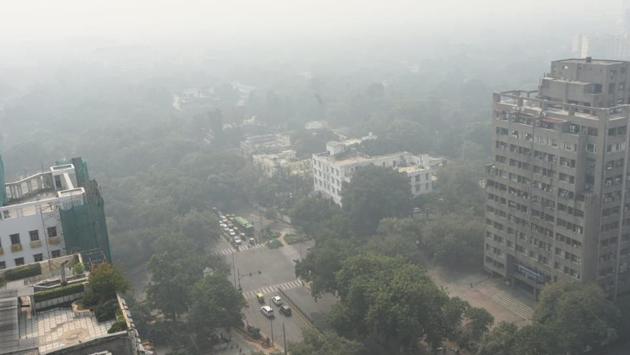
Smog clouds the city skyline around central Delhi near Connaught Place. While the Supreme Court’s order for manufacture and sale of green firecrackers has been around for a year, the green pyrotechnics have failed to draw the expected response both from sellers and buyers, primarily due to lack of variety, limited stock and high prices. (Sonu Mehta / HT Photo)
8/9
 View Photos in a new improved layout
Updated on Oct 28, 2019 12:10 PM
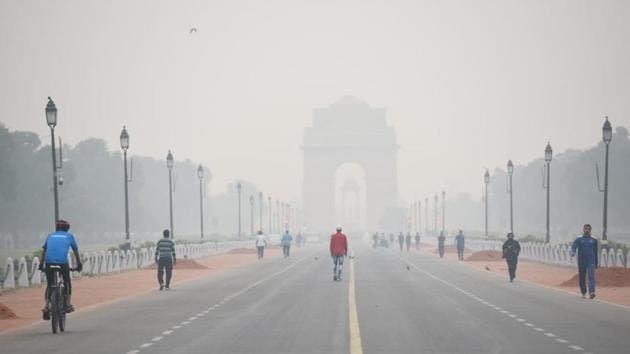
Smog and pollution at Rajpath after Diwali celebrations. In addition to firecrackers, stubble fire count in Haryana and Punjab almost doubled during the past 48 hours from 1200 to 2700 according to SAFAR-multi-satellite product. AQI will continue to remain in ‘very poor’ category but no prolonged extreme pollution event is expected, according to SAFAR. (Arvind Yadav / HT Photo)
9/9
 View Photos in a new improved layout
Updated on Oct 28, 2019 12:10 PM


