
 E-Paper



Historic Anglo-Arabic School in old Delhi languishes in neglect, apathy
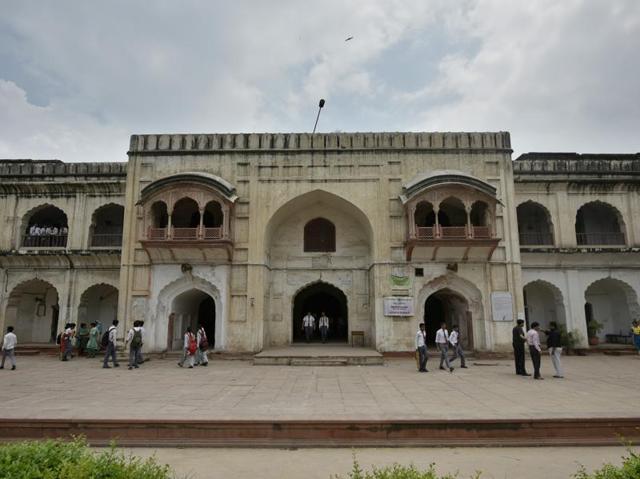
The Anglo Arabic School at Ajmeri Gate has seen Delhi-6 flourishing, declining and being revived through the ages. Founded in 1692 as ‘Madrasa Ghaziuddin’ during the reign of Mughal emperor Aurangzeb, the school has produced many great leaders, writers, sportsmen and educationists despite limited means and diminishing support. (Ravi Choudhary/HT PHOTO)
Updated on: Aug 24, 2016 7:44 PM IST

Share via


Copy link

1/12
 View Photos in a new improved layout
Updated on Aug 24, 2016 7:44 PM
The Anglo Arabic School at Ajmeri Gate has seen Delhi-6 flourishing, declining and being revived through the ages. Founded in 1692 as ‘Madrasa Ghaziuddin’ during the reign of Mughal emperor Aurangzeb, the school has produced many great leaders, writers, sportsmen and educationists despite limited means and diminishing support. (Ravi Choudhary/HT PHOTO)
2/12
 View Photos in a new improved layout
Updated on Aug 24, 2016 7:44 PM
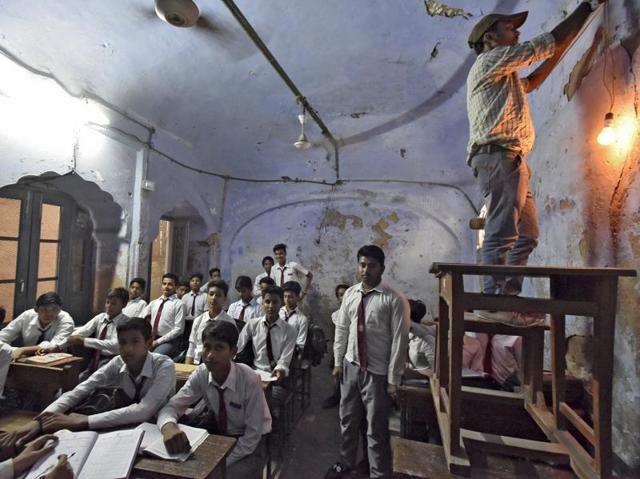
The school started as a madrasa but was shut down in the 1790s with the decline of the Mughal empire. An oriental college for literature began at its place later, which the British changed to the Anglo Arabic College in 1828. There are several rooms where students can’t sit these days because the roof can collapse suddenly (Ravi Choudhary/HT PHOTO)
3/12
 View Photos in a new improved layout
Updated on Aug 24, 2016 7:44 PM
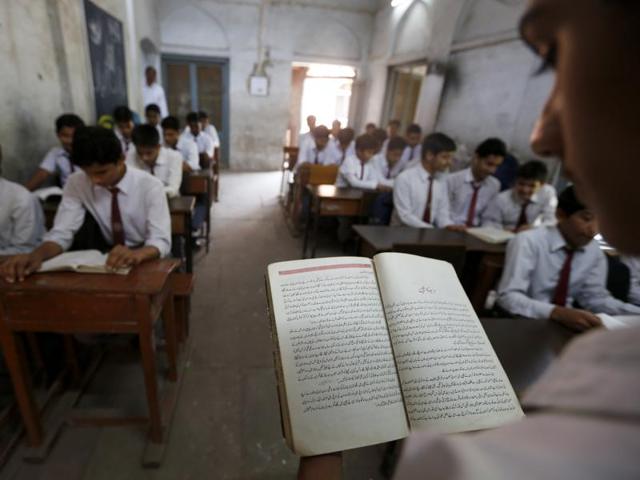
The school now has nearly 2,000 boys from classes 6 to 12. In 2012, the school management took a historic decision to allow girls from the neighbourhood to enrol. (Ravi Choudhary/HT PHOTO)
4/12
 View Photos in a new improved layout
Updated on Aug 24, 2016 7:44 PM
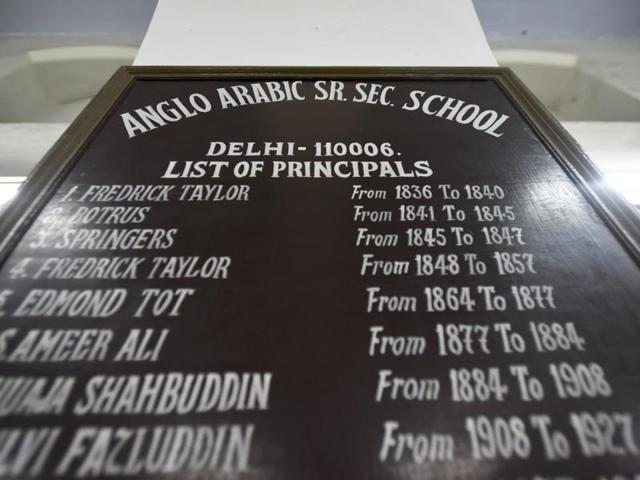
For many years, the Delhi College and Anglo Arabic School ran from the same building before Zakir Husain College branched out. (Ravi Choudhary/HT PHOTO)
5/12
 View Photos in a new improved layout
Updated on Aug 24, 2016 7:44 PM
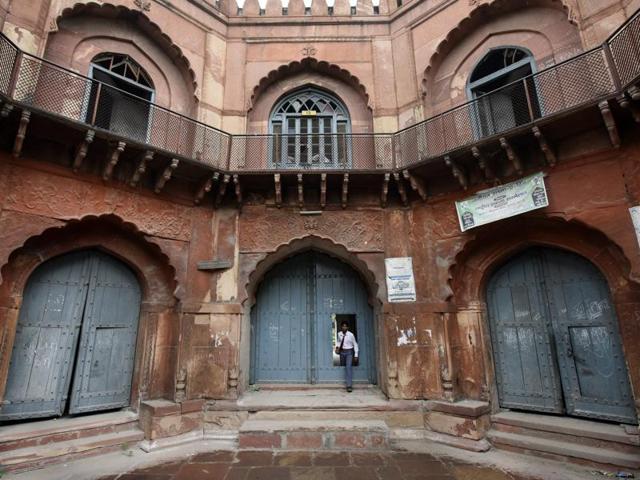
The maintenance and upkeep of the 324-year-old building is a challenge. (Ravi Choudhary/HT PHOTO)
6/12
 View Photos in a new improved layout
Updated on Aug 24, 2016 7:44 PM
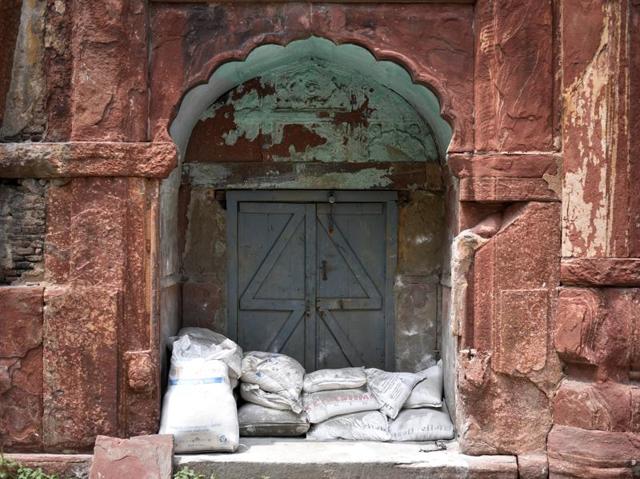
According to folklore, Mirza Ghalib wanted to teach Persian here. But when he arrived in his palanquin and did not find anyone receiving him there, he was annoyed. The British told him he would not be given special treatment and so he never returned. (Ravi Choudhary/HT PHOTO)
7/12
 View Photos in a new improved layout
Updated on Aug 24, 2016 7:44 PM
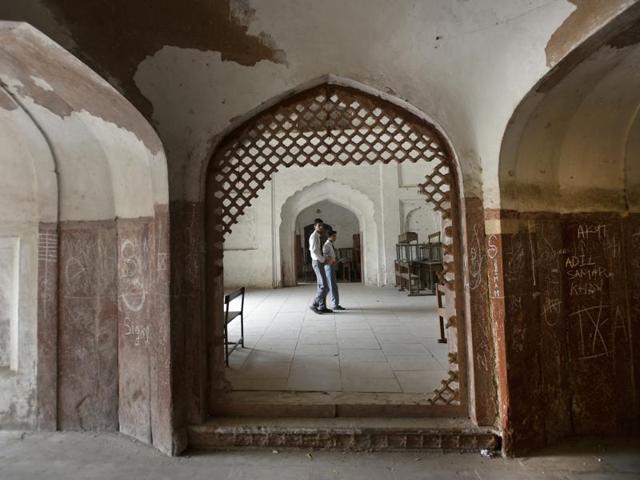
Alumni of the school include Sir Syed Ahmed Khan, founder of Aligarh Muslim University, Pakistan’s first prime minister, Liaqat Ali Khan, defence analyst and former National Security Adviser JN Dixit, politicians Jagdish Tytler and Haroon Yusuf. (Ravi Choudhary/HT PHOTO)
8/12
 View Photos in a new improved layout
Updated on Aug 24, 2016 7:44 PM
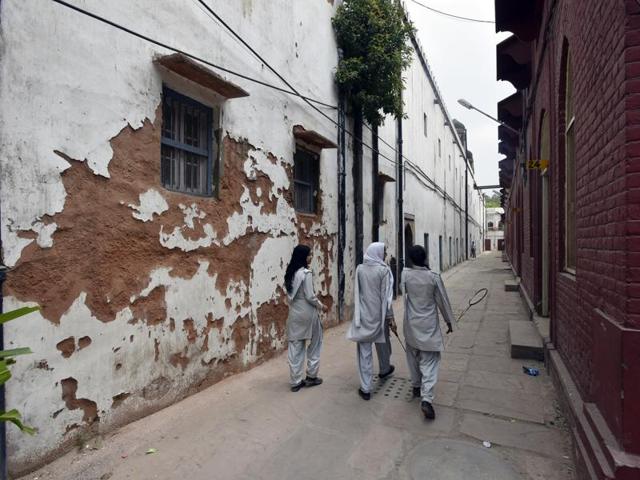
This is an old building spread over 9.5 acres. Making potable water available is a challenge in school. Even the internal roads are not concretised. (Ravi Choudhary/HT PHOTO)
9/12
 View Photos in a new improved layout
Updated on Aug 24, 2016 7:44 PM
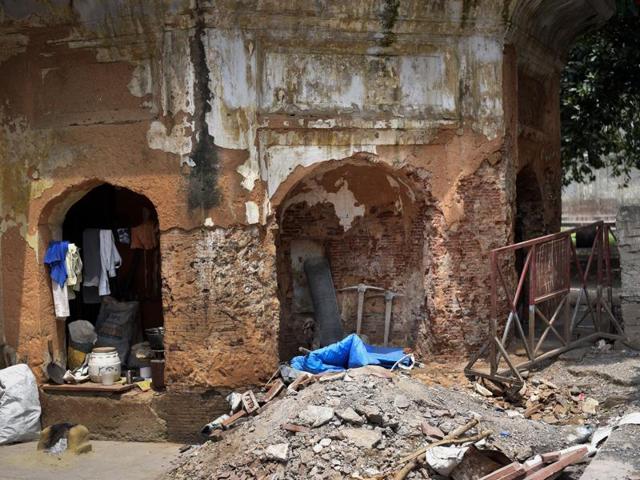
Though an intrinsic part of our heritage, the Anglo Arabic Senior Secondary School has been neglected for a long time. (Ravi Choudhary/HT PHOTO)
10/12
 View Photos in a new improved layout
Updated on Aug 24, 2016 7:44 PM
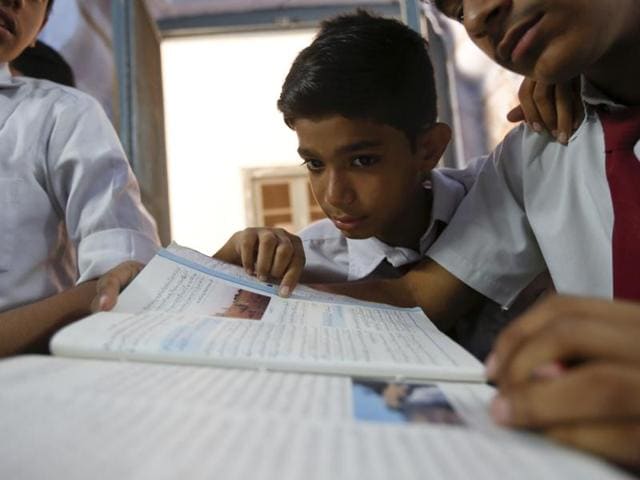
The likes of Dr Aloys Sprenger, Master Ram Chander, Maulvi Zakaullah taught here. (Ravi Choudhary/HT PHOTO)
11/12
 View Photos in a new improved layout
Updated on Aug 24, 2016 7:44 PM
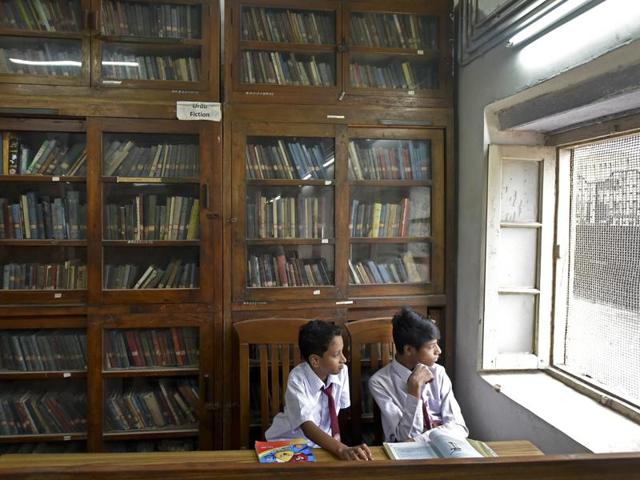
The school suffered a blow once during the mutiny of 1857 and again during the Partition, when many educated Muslims migrated to Pakistan. (Ravi Choudhary/HT PHOTO)
12/12
 View Photos in a new improved layout
Updated on Aug 24, 2016 7:44 PM


