
 E-Paper



Photos: Thirst turns to anger as Australia’s longest waterway runs dry
Reduced to a string of stagnant mustard-coloured pools, fouled in places with pesticide runoff and stinking with the rotting carcasses of cattle and fish, the Darling River is running dry. The parched earth of Australia's longest waterway is in the grip of the continent's most severe drought in a century. Drought is weighing on economic growth, and the dire conditions have prompted Australia, a major wheat exporter, to import the grain for the first time in 12 years.
Updated on: Oct 25, 2019 12:00 PM IST

Share via


Copy link

1/12
 View Photos in a new improved layout
Updated on Oct 25, 2019 12:00 PM
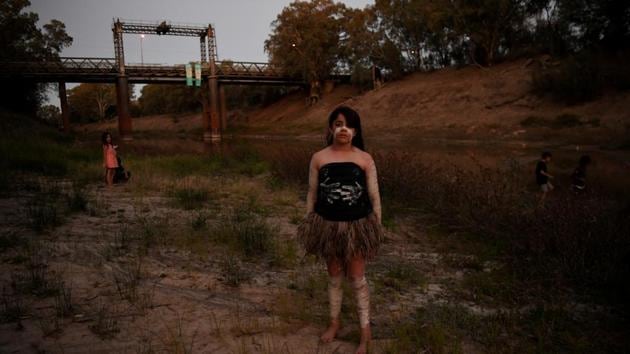
Ngiyaampaa aboriginal Punta Williams on the dry riverbed before performing at Yaama Ngunna Baaka Corroboree Festival on the banks of the Darling River in Wilcannia, New South Wales, Australia. The parched earth of Australia’s longest waterway, if tributaries are included, is in the grip of the continent’s most severe drought in a century. (Tracey Nearmy / REUTERS)
2/12
 View Photos in a new improved layout
Updated on Oct 25, 2019 12:00 PM
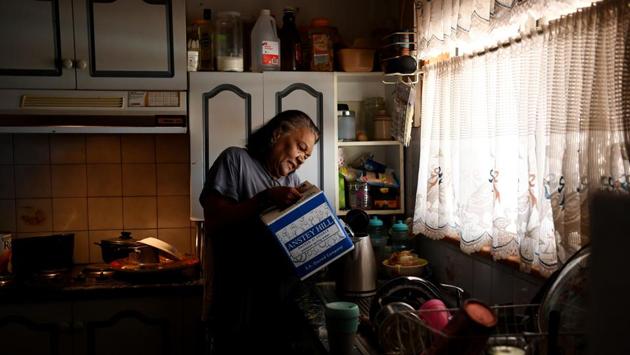
Barkindji elder Patricia Doyle uses boxed water to make a cup of tea at her home in Menindee. Despair has turned to anger as residents blame the government for exacerbating the drought by drawing down river water in 2017 for irrigation and uses downstream. Locals now avoid using tap water for drinking and washing babies and children, saying it has caused skin irritation, and prefer boxed and bottled water. (Tracey Nearmy / REUTERS)
3/12
 View Photos in a new improved layout
Updated on Oct 25, 2019 12:00 PM
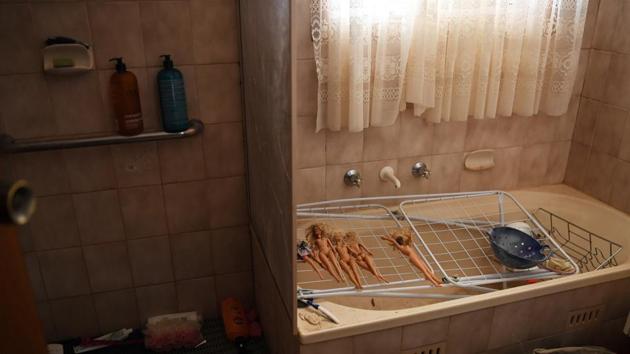
The Barbie dolls Patricia Doyle’s granddaughter wait in the bathroom to be cleaned at her home. “That was our food source, the river, our water source. That was our livelihood,” said the Aboriginal elder Patricia Doyle, in her backyard piled with flotsam discovered in the now-exposed riverbed. (REUTERS)
4/12
 View Photos in a new improved layout
Updated on Oct 25, 2019 12:00 PM
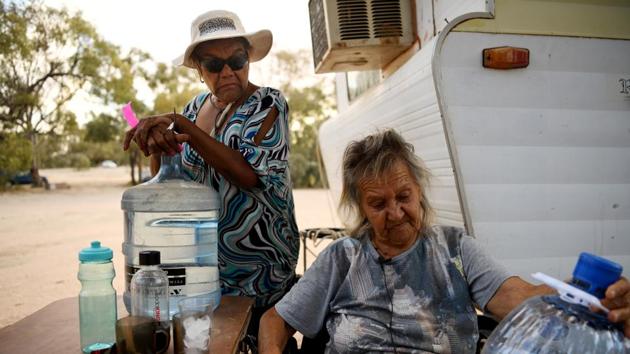
Barkindji elders Patricia (Patsy) Quayle (R) and her daughter Patricia Doyle at their campsite on the dry lakebed of Lake Pamamaroo at Yaama Ngunna Baaka Corroboree Festival. “When you live on a river and you have to have water brought into your town to drink and survive on, what’s that saying? It’s saying that our system ... isn’t looked after properly.” (Tracey Nearmy / REUTERS)
5/12
 View Photos in a new improved layout
Updated on Oct 25, 2019 12:00 PM
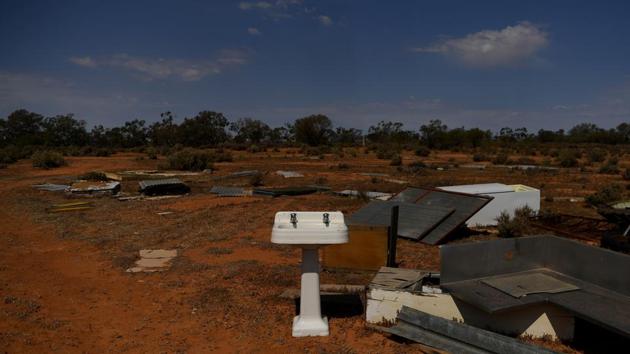
A bathroom sink sits near the shack of Barkindji Elder David William Clark in Wilcannia. The past two years have been the driest in the catchment area of the Darling, which flows 2,844 km over the outback to the sea, and adjoining Murray river since records began in 1900. Last summer was the hottest on record, and in Menindee, where temperatures regularly top 38 Celsius, another scorching season is expected. (Tracey Nearmy / REUTERS)
6/12
 View Photos in a new improved layout
Updated on Oct 25, 2019 12:00 PM
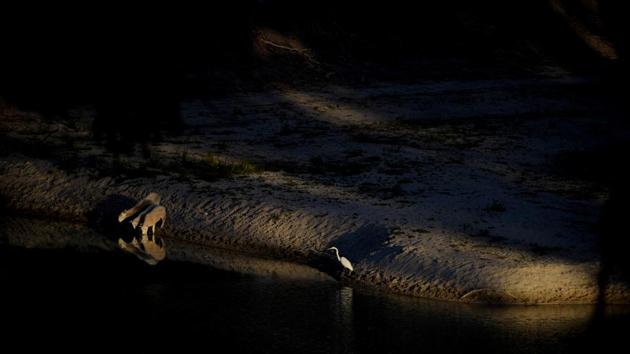
Sheep and a bird drink from a pool on the riverbed of the Darling River in Menindee. Doyle’s clan is called the Barkindji, or people of the river, and in Aboriginal language, the Darling is called the Barka. The river is at the heart of stories about the origins of the clan and its cultural life, particularly evident in Menindee where a third of 550 residents are indigenous, compared with a national average of less than 3%. (Tracey Nearmy / REUTERS)
7/12
 View Photos in a new improved layout
Updated on Oct 25, 2019 12:00 PM
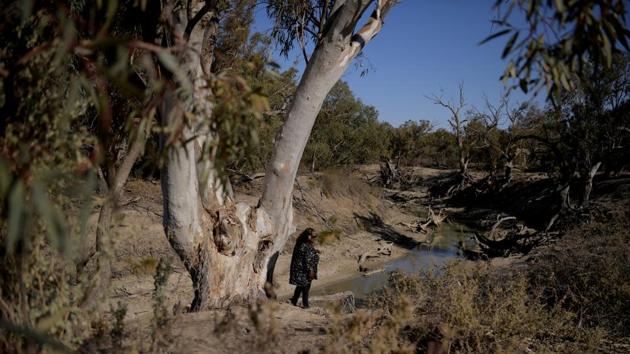
Elanor (Golly) Fay Sloane walks along the dry banks of the Menindee Creek which runs into the Darling River in Menindee. Sloane says she feels depressed when she thinks about the state of the river, “I can no longer go to river when family pass away, which is my healing process,” Sloane said. (Tracey Nearmy / REUTERS)
8/12
 View Photos in a new improved layout
Updated on Oct 25, 2019 12:00 PM
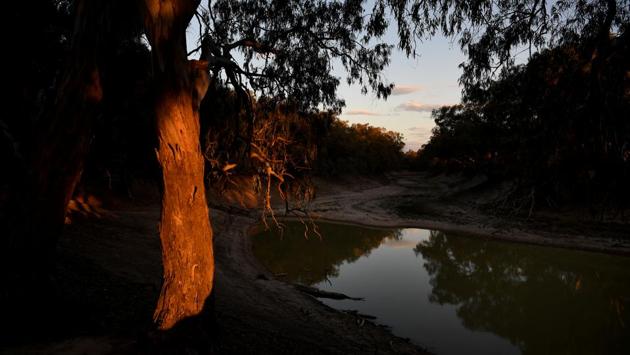
The trunk of a gum tree glows as the sun sets over what is left of the Darling River in Menindee. Lined with river red gums, the Darling also waters some of Australia’s richest grazing land. Parents have forbidden children from swimming in the murky water that remains. Fish caught in holes still deep enough to hold water are inedible. (Tracey Nearmy / REUTERS)
9/12
 View Photos in a new improved layout
Updated on Oct 25, 2019 12:00 PM
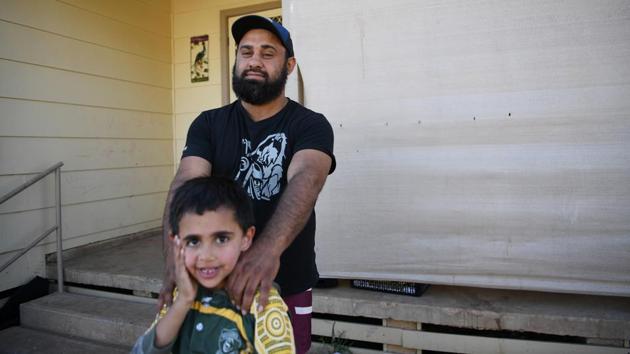
All aspects of society are now suffering. “The river country itself, it doesn’t provide as much as what it used to,” said Kyle Philip, a Barkindji hunter and goat musterer. “We could taste the mud in the meat of the perch,” said Philip. “We couldn’t really eat them.” (Tracey Nearmy / REUTERS)
10/12
 View Photos in a new improved layout
Updated on Oct 25, 2019 12:00 PM
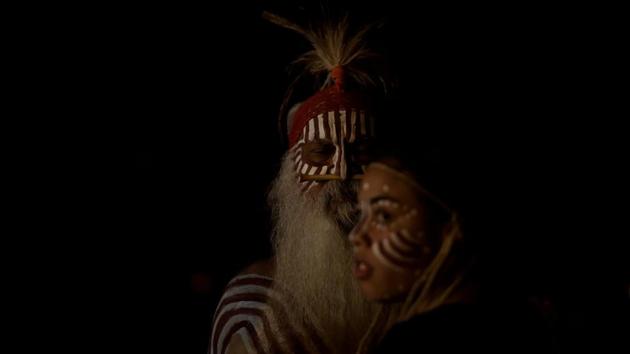
Ngarrindjeri elder and Cultural Director of the Tal-Kin-Jeri Dance Group Major Sumner (L) prepares to perform at Yaama Ngunna Baaka Corroboree Festival on the bank of the Darling River in Wilcannia. Recently, Aboriginal communities held special festivals along the river “to heal the Barka”. Ochre-painted dancers performed around fires at dusk, revering the river but also seeking to draw attention to its plight. (Tracey Nearmy / REUTERS)
11/12
 View Photos in a new improved layout
Updated on Oct 25, 2019 12:00 PM
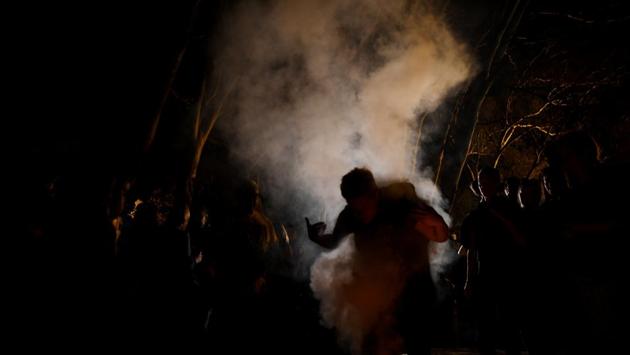
Participants take part in a traditional smoking ceremony as Aboriginal dance groups prepare to perform. “We’re going to start dancing and singing the land,” organiser Bruce Shillingsworth said. “Singing the rivers, singing our environment back again to make it healthy.” (Tracey Nearmy / REUTERS)
12/12
 View Photos in a new improved layout
Updated on Oct 25, 2019 12:00 PM


