
 E-Paper



Photos: A museum to unsung heroes of the freedom struggle at the Red Fort
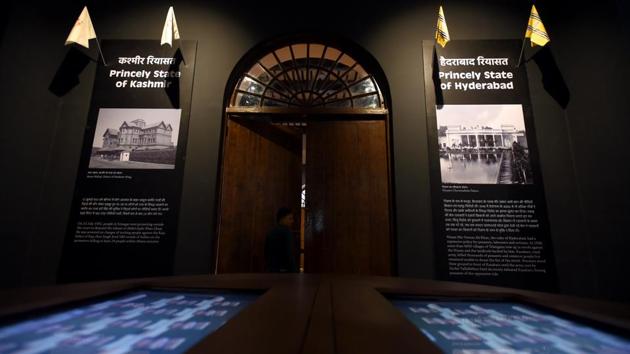
A museum paying homage to the unsung heroes of the freedom struggle was inaugurated at the Red Fort by Union culture minister Mahesh Sharma on Monday. Built by the Archaeological Survey of India (ASI), the museum in a building that was for decades a disused barracks is a fifth in the series of recently inaugurated ones. Titled Azaadi Ke Diwane, the museum uses experiential touch displays, scenario-based installations, public records and multimedia aids along with the more conventional informative displays to recreate memories from Indian history between 1857 and 1947.
Updated on: Mar 6, 2019 12:59 PM IST


Share via


Copy link

1/8
 View Photos in a new improved layout
Updated on Mar 6, 2019 12:59 PM
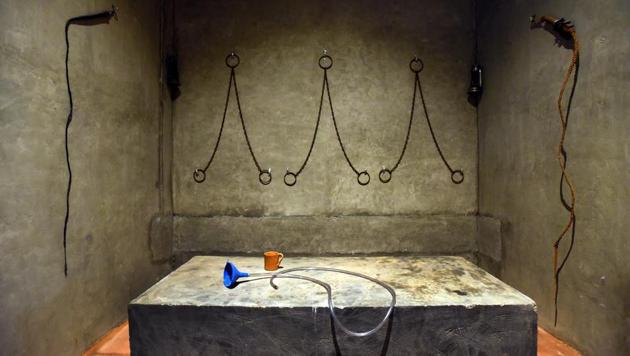
An installation recreating the arrangements used to break prisoners on hunger fasts, seen at the ‘Azaadi Ke Diwane’ gallery in the Red Fort in New Delhi. ‘Azadi Ke Diwane’, created by the Archaeological Survey of India (ASI) is a state-of-the-art, informative and educational exhibition, involving multisensory technologies. (Amal KS / HT Photo)
2/8
 View Photos in a new improved layout
Updated on Mar 6, 2019 12:59 PM
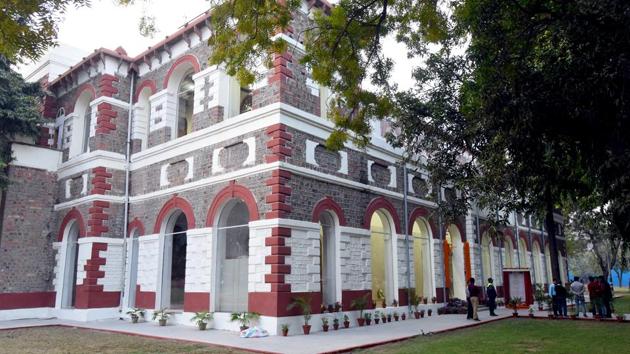
Azaadi Ke Diwane is the fifth in a series of recently inaugurated museums at the Red Fort complex and repurposes a two-storeyed barracks building there that had been lying disused for decades. (Amal KS / HT Photo)
3/8
 View Photos in a new improved layout
Updated on Mar 6, 2019 12:59 PM
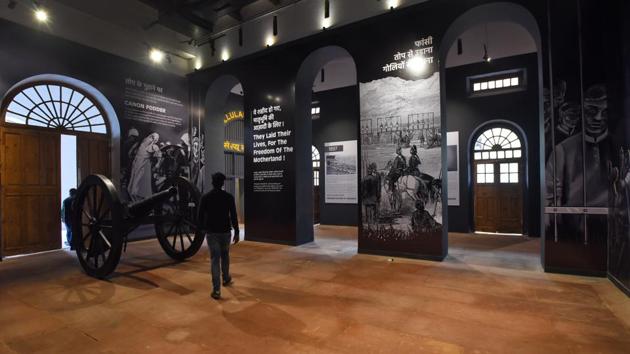
Azaadi Ke Diwane joins four such museums inaugurated since January in the Red Fort: Subhash Chandra Bose and INA museum, Yaad-e-Jallian museum, museum on 1857 (India’s first war of Independence) and Drishyakala, a museum on Indian art. This museum forms part of a “Kranti Mandir” series to inspire the younger generation, Union Culture Minister Mahesh Sharma (R) said at the inauguration. (Amal KS / HT Photo)
4/8
 View Photos in a new improved layout
Updated on Mar 6, 2019 12:59 PM
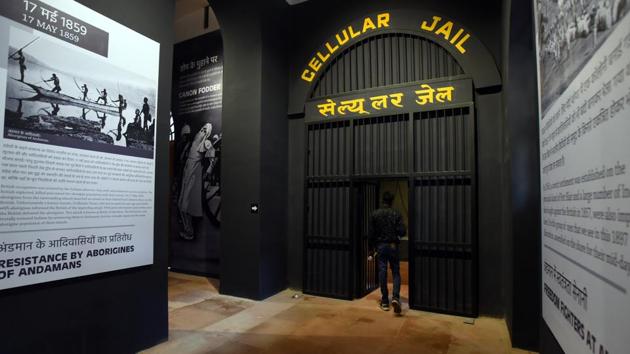
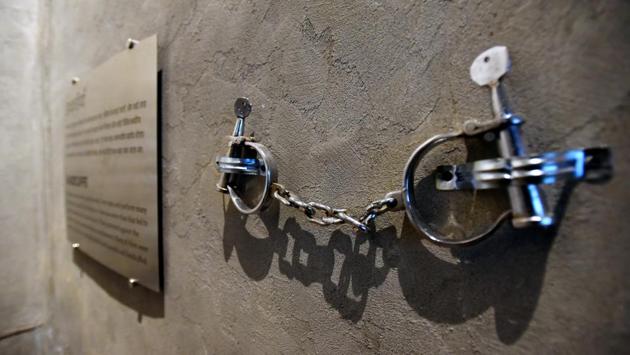
Divided into 22 zones, the museum has more than 150 panels, four audio visuals, archival data, the Andaman cellular jail experience (pictured), panels of women and child martyrs, touch-screen kiosks and digital tribute kiosks. There is also a tribute room with digital candles. (Amal KS / HT Photo)
5/8
 View Photos in a new improved layout
Updated on Mar 6, 2019 12:59 PM
“This museum is for remembering the martyrs, those who were sent to the Andamans and all revolutionaries whose names do not figure in the history books. The commentaries, audio-visuals and films narrate many an inspiring story,” professor Kapil Kumar, director Centre for Freedom Struggle and Diaspora Studies, IGNOU, the chief historian of the museum, said. (Amal KS / HT Photo)
6/8
 View Photos in a new improved layout
Updated on Mar 6, 2019 12:59 PM
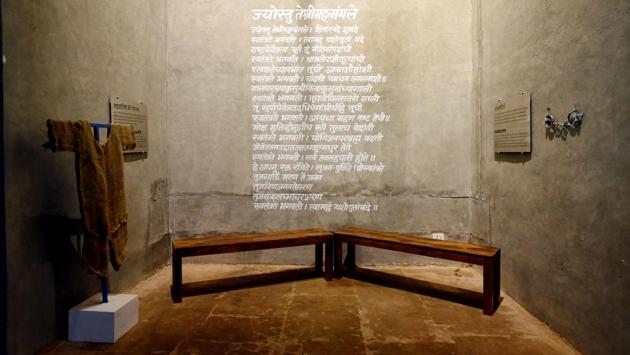
The museum uses experiential touch displays, scenario-based installations like the one pictured here, and the more conventional informative displays to recreate memories from Indian history between 1857 and 1947. A wide variety of content stretching from public records to multimedia aids will reconstruct moments from history. (Amal KS / HT Photo)
7/8
 View Photos in a new improved layout
Updated on Mar 6, 2019 12:59 PM
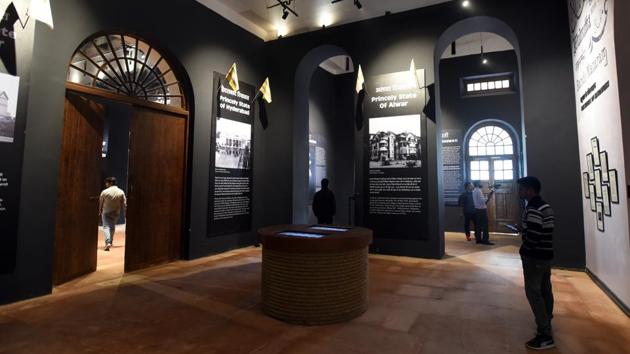
A view inside the museum. Saurav Bhaik, CEO of Tagbin, the experiential company that has designed the museum, maintained that the objective behind opening this museum was to recreate the atrocities and the torture freedom fighters had to undergo. (Amal KS / HT Photo)
8/8
 View Photos in a new improved layout
Updated on Mar 6, 2019 12:59 PM


