
 E-Paper



Photos: A trio of unlikely heroes fights plastic pollution in New Delhi
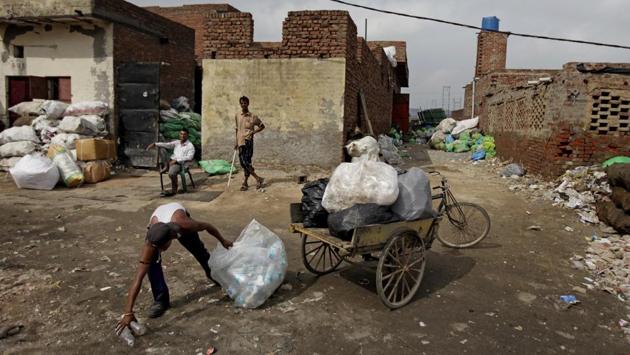
In New Delhi, a 40-year-old scavenger, a ninth grade student activist and a dinnerware business are tied by a common thread. This trio is part of a handful of Delhi’s inhabitants who in some form are recycling and finding alternatives to the most common non-biodegradable pollutant across the world -plastic. While India takes a positive stance on combating plastic pollution and has repeatedly banned various plastic products or set guidelines, the impact on the ground has remained minimal due to poor enforcement and a lack of cooperation.
Updated on: Jun 07, 2018 1:37 PM IST

Share via


Copy link

1/8
 View Photos in a new improved layout
Updated on Jun 07, 2018 1:37 PM
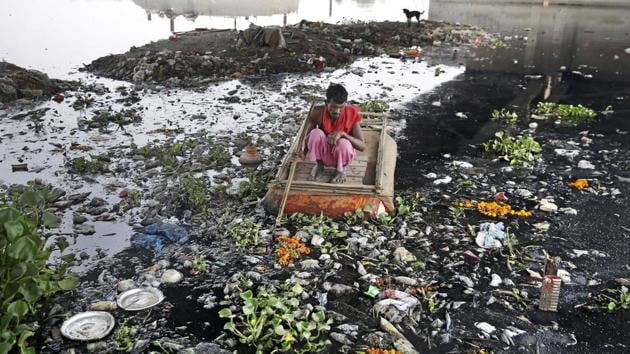
For more than 25 years, Ram Nath has lived on the banks of the Yamuna River under a 19th-century iron bridge. Each morning, the 40-year-old walks a few steps from his makeshift hut and enters the black, sludgy waters of one of India’s most polluted rivers, fishing for trash. “This is the only work we have,” he said, sorting through a pile of plastic bottles, bags, and cast-off electronics. (Altaf Qadri / AP)
2/8
 View Photos in a new improved layout
Updated on Jun 07, 2018 1:37 PM
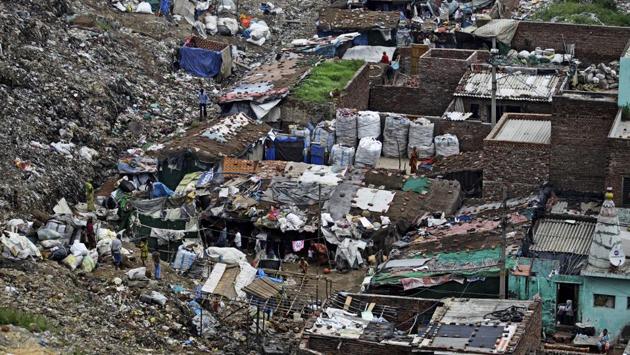
With more than 16 million people (2011), New Delhi and its surrounding cities produce an estimated 17,000 tons of trash daily, according to Indian officials and environmentalists. That requires immense dumps, hills of stinking trash that measure up to 50 meters tall. Last year, two people were killed when a large part of the Ghazipur landfill crashed down onto them. (Altaf Qadri / AP)
3/8
 View Photos in a new improved layout
Updated on Jun 07, 2018 1:37 PM
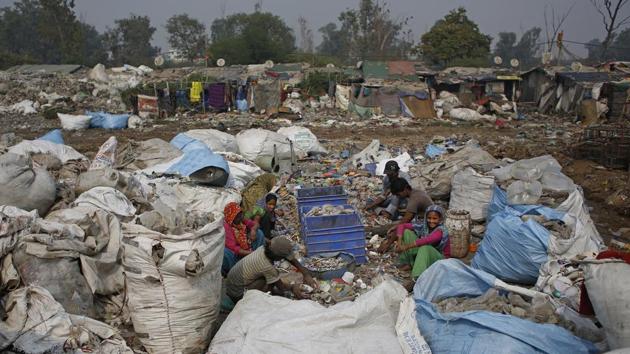
Hundreds of garbage collectors live on the Yamuna’s banks in Delhi, earning between 150 to 300 rupees per day by recycling plastic waste collected from the river. While Nath doesn’t think of himself as an environmentalist, he is one of a handful of New Delhi residents working against the tsunami of plastic threatening to swamp India. (Altaf Qadri / AP)
4/8
 View Photos in a new improved layout
Updated on Jun 07, 2018 1:37 PM
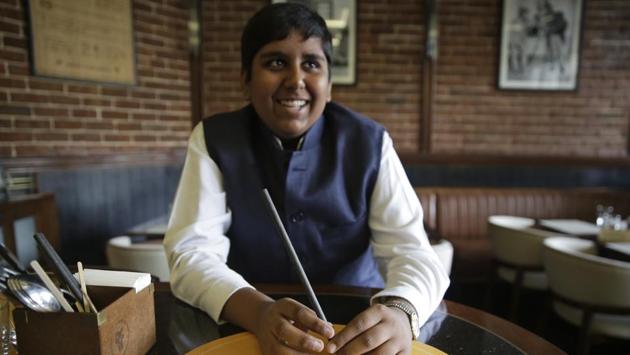
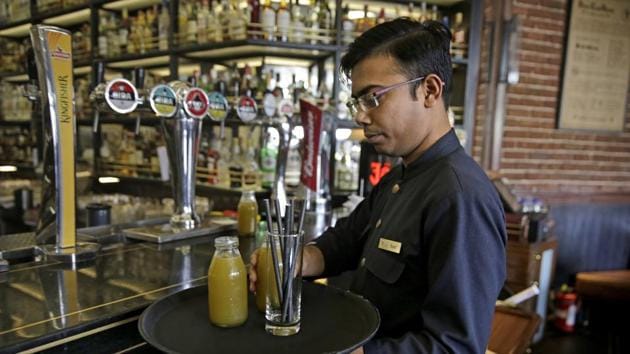
Among them also is 9th-grade student Aditya Mukarji who convinces upscale restaurants to give up plastic straws and replace them with paper ones. Mukarji launched his campaign after seeing a video of two veterinarians trying to remove a plastic straw from a turtle’s nose. (Altaf Qadri / AP)
5/8
 View Photos in a new improved layout
Updated on Jun 07, 2018 1:37 PM
Some restaurants in and around New Delhi are doing away with plastic straws and replacing them with paper. “People listen more to children bringing up environmental concerns,” said Mukarji, who has helped replace more than 500,000 plastic straws at restaurants and hotels since he started his campaign in March. (Altaf Qadri / AP)
6/8
 View Photos in a new improved layout
Updated on Jun 07, 2018 1:37 PM
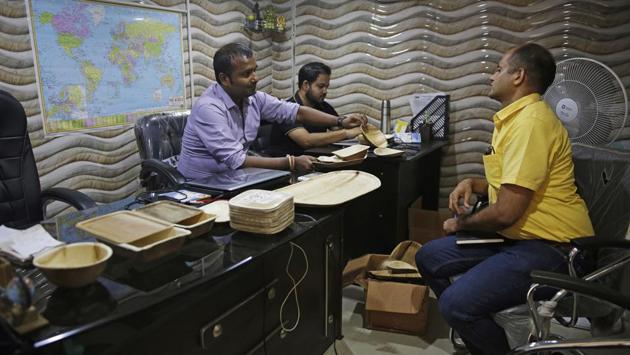
Vaibhav Jaiswall (L) and Amardeep Bardhan (2L) who run Prakritii, an eco-friendly dinnerware manufacturer, showcase biodegradable alternatives to a customer at their office in New Delhi. Prakritii, makes plates and bowls only from leaves shed by areca palm trees. The plateware, which has the feel of thick paper plates, biodegrades in seven to ten days. (Altaf Qadri / AP)
7/8
 View Photos in a new improved layout
Updated on Jun 07, 2018 1:37 PM
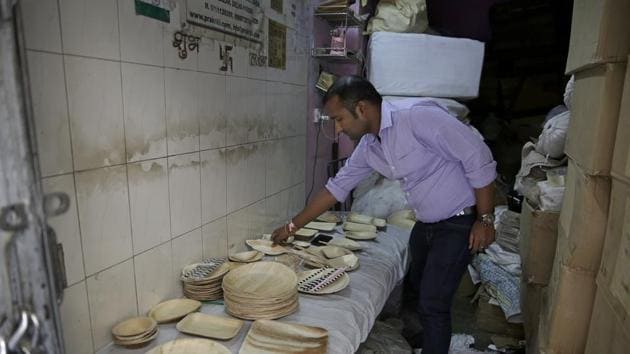
Vaibhav Jaiswal inspects products at his warehouse. “In this entire process, we are not harming the environment,” said Bardhan. “We are generating something from the waste... and then it goes back as a waste.” While Prakritii initially made most of its income from Europe and the US, Bardhan said the Indian market is growing, especially among younger people who value quality over price. (Altaf Qadri / AP)
8/8
 View Photos in a new improved layout
Updated on Jun 07, 2018 1:37 PM


