
 E-Paper



Photos: A unique bond between Olive ridley turtles and Odisha fishermen
According to the World Wildlife Fund, the coast of Odisha is the largest nesting site for Olive ridley turtles in the world. Navigating thousands of miles in the ocean every year, the turtles arrive at the same beaches in Odisha to nest before leaping back into the sea leaving eggs vulnerable to predators. During this period, local fishing communities keep vigil over the eggs in a selfless conservation effort to save this endangered species.
Updated on: Mar 22, 2018 10:58 AM IST


Share via


Copy link

1/8
 View Photos in a new improved layout
Updated on Mar 22, 2018 10:58 AM
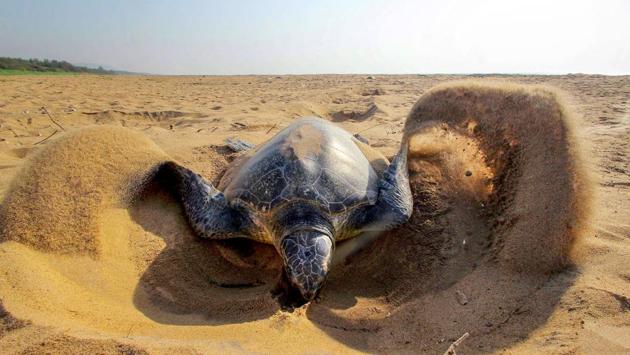
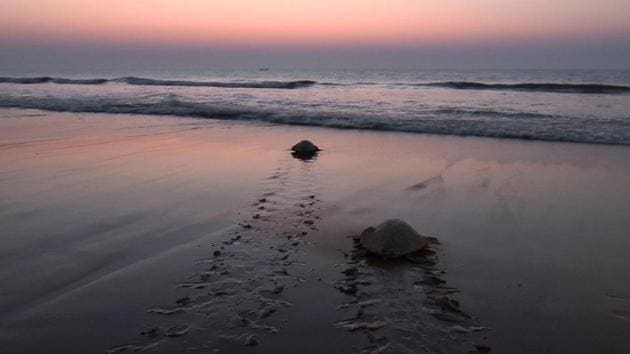
An Olive ridley turtle nests to lay eggs during a mass nesting at Rushikulya beach, Odisha. Navigating thousands of kilometers of ocean every year, female Olive Ridleys arrive at the same beach to lay eggs before leaping back into the sea--leaving their young vulnerable to predators. During this period, fishing communities in Odisha keep vigil at the eggs in a selfless effort to save this endangered species from extinction. (PTI)
2/8
 View Photos in a new improved layout
Updated on Mar 22, 2018 10:58 AM
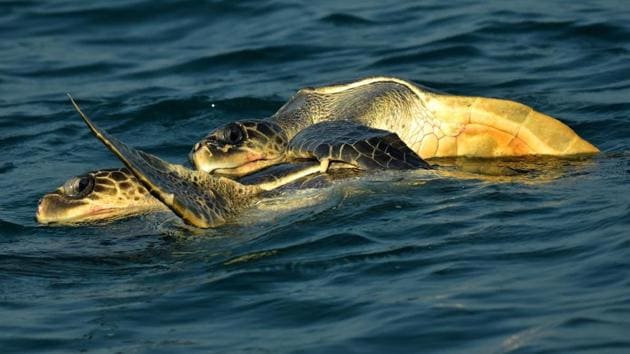
Though found in abundance, Olive ridley numbers have been declining over recent years and have been recognized as vulnerable on the International Union for Conservation of Nature (IUCN) Red list. These turtles, along with their cousins -- the Kemps ridley, are best known for their unique mass nesting called ‘Arribada’. As per the World Wildlife Fund, the coast of Orissa is their largest nesting site. (Asit Kumar / AFP)
3/8
 View Photos in a new improved layout
Updated on Mar 22, 2018 10:58 AM
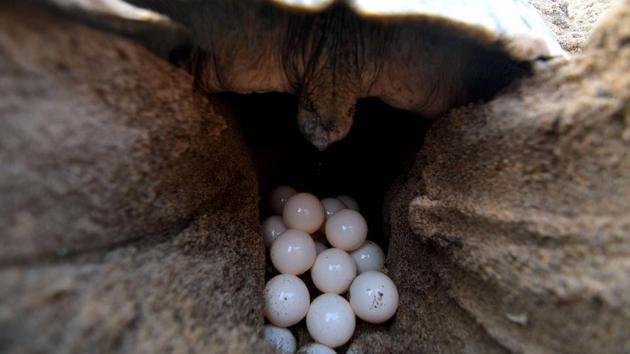
An Olive ridley turtle lays eggs at Rushikulya Beach. Once nested, these eggs are vulnerable to predators like dogs and vultures, and high tides during the 50-odd day incubation period beneath the sand. Locals say there was a time not long ago when 2 million turtles emerged from the sea. But with environmental pressures, coastal development and overfishing, that number has sharply declined. (Asit Kumar / AFP)
4/8
 View Photos in a new improved layout
Updated on Mar 22, 2018 10:58 AM
Volunteers for Action for Protection of Wild Animals (APOWA) demonstrate egg rescue procedures. Fishermen equipped with flashlights and bamboo poles, identify nests and carefully dig up the spongy eggs. APOWA has been helping set up women’s self-help groups for this delicate task. If handled the wrong way the embryo risks drowning in its own yolk. (Money Sharma / AFP)
5/8
 View Photos in a new improved layout
Updated on Mar 22, 2018 10:58 AM
A sea turtle hatchery is seen on Daluakani beach, Bhubaneswar. Once the nests are spotted, each nest is relocated by the fishing community to freshly dug hatcheries at a safe distance away from the sea, ringed with fencing and marked with a flag -- an arduous process that can be repeated hundreds of times in a single nesting season. (Money Sharma / AFP)
6/8
 View Photos in a new improved layout
Updated on Mar 22, 2018 10:58 AM
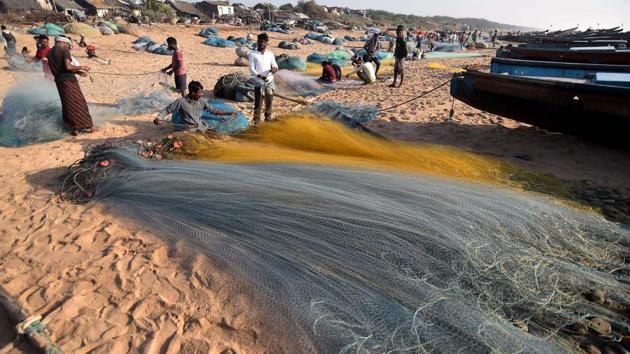
Although the job is unpaid and usually follows a long day at work, volunteers and fishermen are driven by their bond with the turtles. In 2014 and 2016, no turtles arrived at all, spooking locals who consider their fate intertwined with their ocean visitors. “For us, turtles are an incarnation of Vishnu. If they die or don’t come we feel we have missed out on their blessing,” said one volunteer. (Asit Kumar / AFP)
7/8
 View Photos in a new improved layout
Updated on Mar 22, 2018 10:58 AM
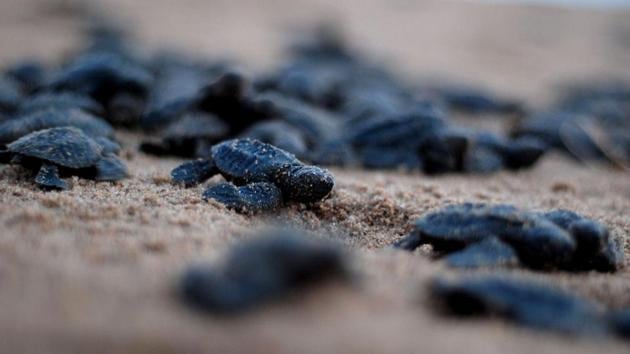
Newly-hatched Olive ridley turtles make their way to the ocean. However, the relationship between fishermen and turtles has not always been harmonious. In 1997, the coastal regions off Odisha were declared a marine wildlife sanctuary and fishing was barred in shallow waters for more than half the year -- slashing incomes for communities dependent on the waters. (AFP)
8/8
 View Photos in a new improved layout
Updated on Mar 22, 2018 10:58 AM


