
 E-Paper



Photos: Gandhi and India’s first Satyagraha in Champaran
In Bihar's Champaran district, the tenant cultivators of ryots were forced to plant three out of twenty parts of their land with indigo, as mandated by the tinkhatia law imposed by the British rulers during the late 19th and early 20th century. On the request of Raj Kumar Shukla, a farmer activist from east Champaran, Gandhi visited the area to address the cultiators' plight in April 1915. Gandhi’s visit would snowball into the first satyagraha that he would lead in the country. It was Champaran that turned Mohandas into the Mahatma.
Updated on: Sep 26, 2019 5:44 PM IST

Share via


Copy link

1/8
 View Photos in a new improved layout
Updated on Sep 26, 2019 5:44 PM
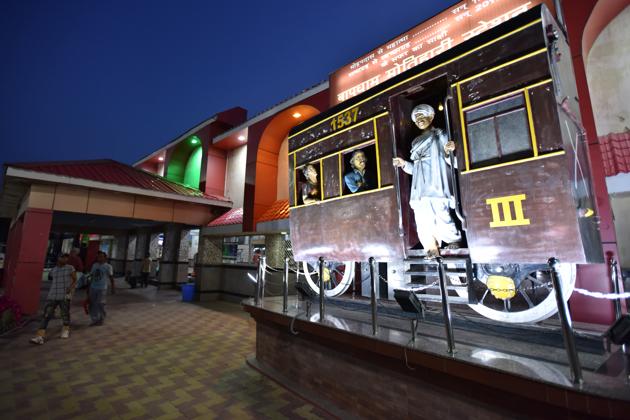
An exterior view of Bapudham Motihari Railway station, at Motihari, Bihar. On the afternoon of April 15, 1917, thousands had gathered at this railway station -¬ many of them tenant-cultivators –waiting for MK Gandhi, known then for his political activism in South Africa, a man who was destined to lift their lives out of misery and slavery. It was 3 pm when Gandhi alighted at the station from a train from Muzaffarpur. (Sanchit Khanna / HT Photo)
2/8
 View Photos in a new improved layout
Updated on Sep 26, 2019 5:44 PM
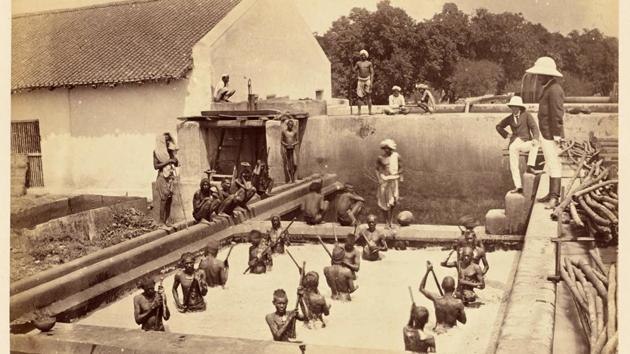
Workers beating a vat by hand at an Indigo factory in Allahabad, 1877. Champaran’s cultivators reeled under the exploitative system of Tinkathia imposed by the British, which forced them to grow indigo plant on 15% of their land, and, additionally, pay tax; failing to comply inviting serious consequences like getting tied to a tree and thrashed, or having cattle confiscated and farms and houses auctioned. (Oscar Mallitte / The J. Paul Getty Museum)
3/8
 View Photos in a new improved layout
Updated on Sep 26, 2019 5:44 PM
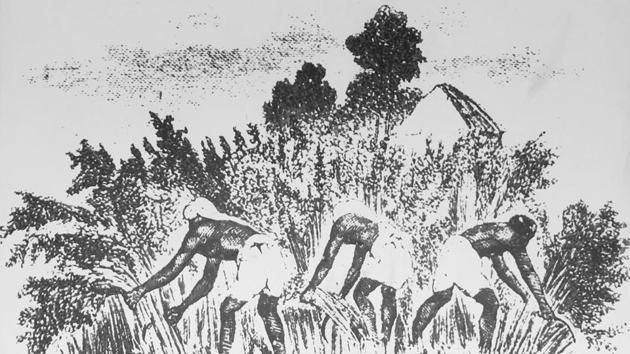
A panel depicting Champaran’s Indigo plantation workers. The dyes were lucrative for the British, but German synthetic ones challenged their monopoly. The plantations had by 1914 shrunk to mostly around Champaran. Gandhi’s arrival in Motihari rankled the British. The day after his arrival day, he began for Jasaulipatti village to record statements. En-route he got a notice ordering him to take the first train back, which he refused to obey. (Gandhi Smriti)
4/8
 View Photos in a new improved layout
Updated on Sep 26, 2019 5:44 PM
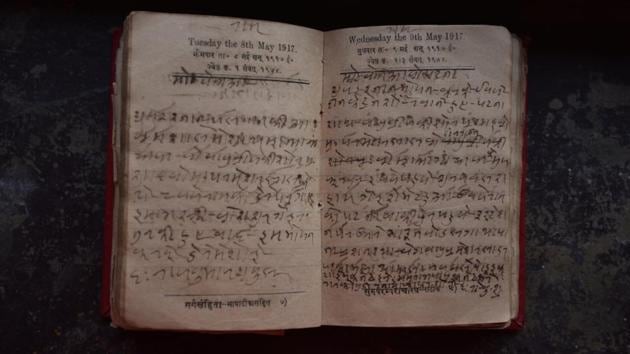
The personal diary of tenant leader and journalist Raj Kumar Shukla, who along with Peer Mohammad Munis, convinced Gandhi to come see for himself the miseries of the indigo farmers in Champaran. Gandhi met Shukla in 1916, at the 31st session of the Congress in Lucknow and agreed to come after a few attempts. Gandhi charted out his plan to visit villages, camping in the two big towns of Bettiah and Motihari. (Sanchit Khanna / HT Photo)
5/8
 View Photos in a new improved layout
Updated on Sep 26, 2019 5:44 PM
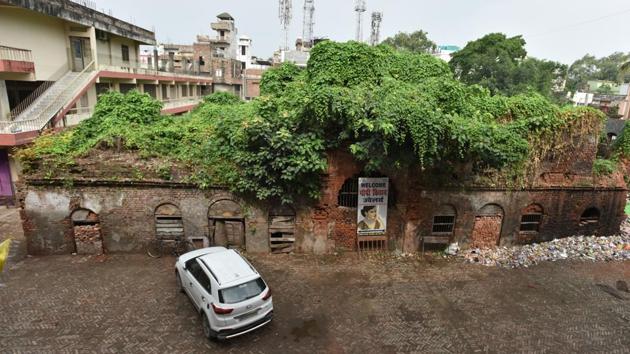
The Hazarimal Dharamshala in Bettiah where Gandhi stayed. The withdrawal of the case after Gandhi’s refusal to leave Champaran was the first time satyagraha made its presence felt in India. Starting April 22, Gandhi set out to collect testimonies of tenants from nearby villages with authenticity. By June 4, over 7,000 cultivators from 850 villages recorded their statements often in the presence of British officials. (Sanchit Khanna / HT Photo)
6/8
 View Photos in a new improved layout
Updated on Sep 26, 2019 5:44 PM
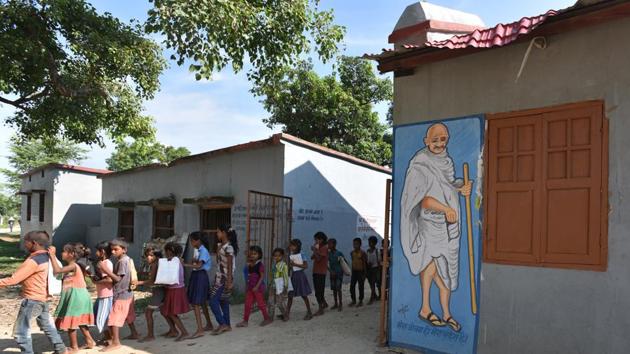
Children at the first foundational school setup by Gandhi in Champaran. Based on the testimonies, the Champaran Agrarian Enquiry Committee with Gandhi was a member led to the Champaran Agrarian Act, 1918, abolishing coercive indigo farming. The indigo farmers had drawn Gandhi to Champaran, but he realised his task didn’t end there. Within a few months, joined by volunteers, Gandhi started six schools for foundational learning. (Sanchit Khanna / HT Photo)
7/8
 View Photos in a new improved layout
Updated on Sep 26, 2019 5:44 PM
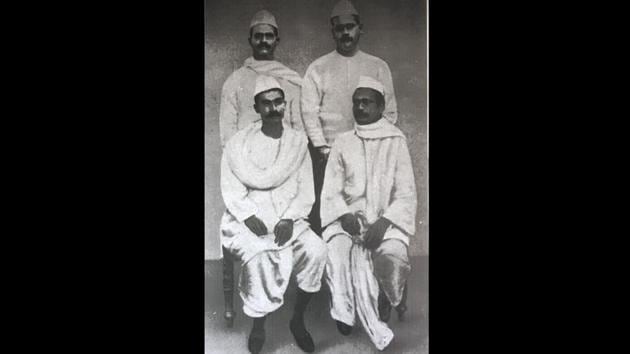
Dr. Rajendra Prasad, Anugraha Narayan Sinha, Ram Navmi Prasad and Sambhusaran Varma. Prasad writes in Satyagraha in Champaran that on his second day in Champaran itself, Gandhi told one of his companions, that the system of purdhah deprived women of the privilege of helping their husbands. Gandhi’s wife Kasturba joined him and started schools for girls. Soon after, he started working on sanitation in the villages, and ran health camps. (Gandhi Smriti)
8/8
 View Photos in a new improved layout
Updated on Sep 26, 2019 5:44 PM


