
 E-Paper



Photos: India in talks with Myanmar, Bangladesh to deport Rohingya refugees
The Indian government recently directed state authorities to identify and deport illegal immigrants including Rohingya refugees who face persecution in Buddhist-majority Myanmar, a move criticized by various humanitarian NGO’s and the United Nations.
Updated on: Aug 17, 2017 5:18 PM IST

Share via


Copy link

1/9
 View Photos in a new improved layout
Updated on Aug 17, 2017 5:18 PM
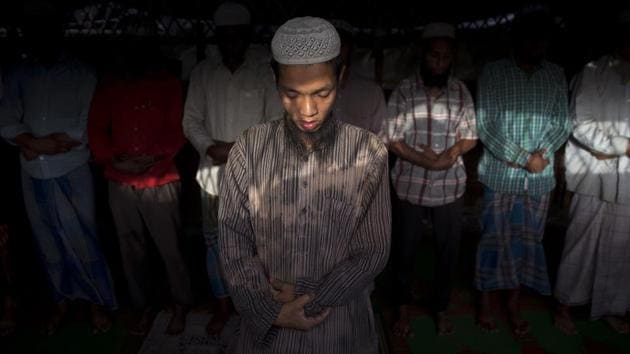
More than 40,000 Rohingya Muslims estimated to be living in India are classified as illegal immigrants even those registered with the UN refugee agency. Last week, the central government directed state authorities to identify and deport illegal immigrants who face persecution in Buddhist majority Myanmar. Despite claiming roots that go back to centuries, these marginalized communities are denied citizenship in Myanmar and classified as illegal immigrants. (Tsering Topgyal/AP)
2/9
 View Photos in a new improved layout
Updated on Aug 17, 2017 5:18 PM
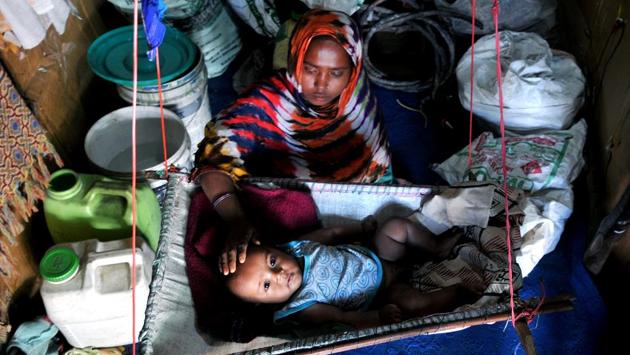
Hundreds of thousands of Rohingya have fled from Myanmar taking refuge in Bangladesh with many crossing a porous border into India. A large number of the refuges have also migrated to South-East Asia, often on rickety boats run by people smuggling gangs. (Nitin Kanotra/HT Photo)
3/9
 View Photos in a new improved layout
Updated on Aug 17, 2017 5:18 PM
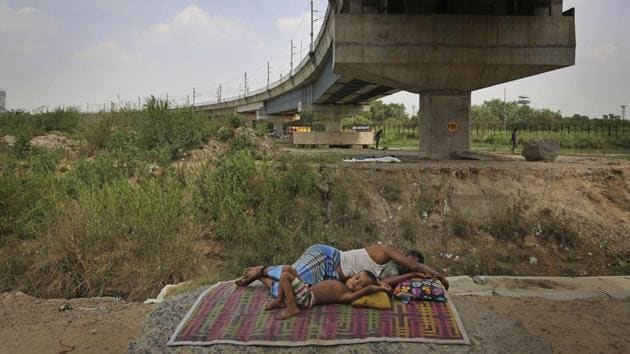
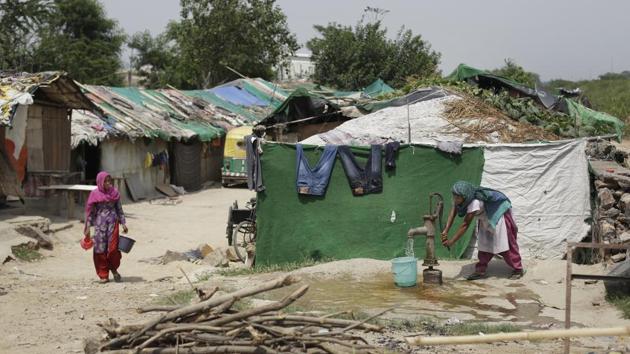
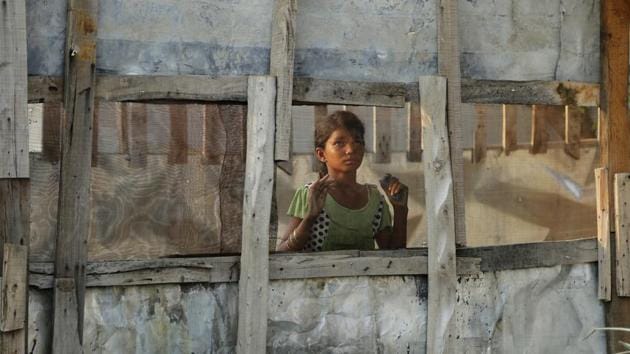
Majority of the Rohingya population in India are concentrated around states of Jammu and Kashmir, Telangana, Haryana, Uttar Pradesh, Delhi, and Rajasthan.In Delhi, they live in temporary camps at Kanchan Kunj (near Kalindi Kunj) and at Shaheen Bagh in Okhla. These camps often lack basic amenities like drinking water and sanitation. However, despite these deplorable living conditions most Rohingya refugees prefer living here than the life they had in Myanmar with its draconian restrictions. (Altaf Qadri/AP)
4/9
 View Photos in a new improved layout
Updated on Aug 17, 2017 5:18 PM
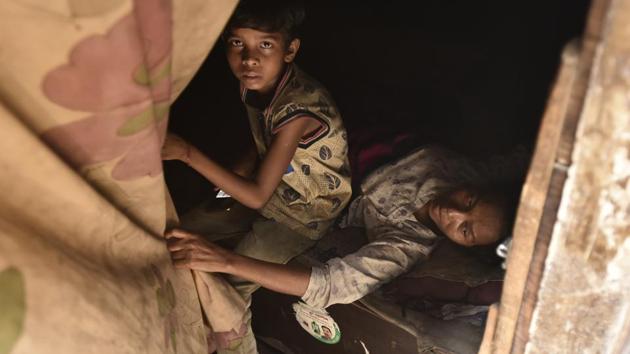
According to the government illegal immigrants like Rohingyas pose grave security challenges as they may be recruited by terrorist groups. In a communication to all states, the Union home ministry said, ‘the rise of terrorism in last few decades has become a serious concern for most nations as illegal migrants are more vulnerable to getting recruited by terrorist organizations.’ (Burhaan Kinu/HT PHOTO)
5/9
 View Photos in a new improved layout
Updated on Aug 17, 2017 5:18 PM
According to the government illegal immigrants like Rohingyas pose grave security challenges as they may be recruited by terrorist groups. In a communication to all states, the Union home ministry said, ‘the rise of terrorism in last few decades has become a serious concern for most nations as illegal migrants are more vulnerable to getting recruited by terrorist organizations.’ (Altaf Qadri/AP)
6/9
 View Photos in a new improved layout
Updated on Aug 17, 2017 5:18 PM
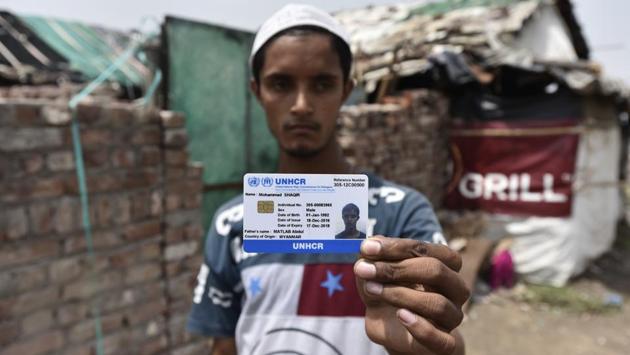
The United Nations High Commissioner for Refugees (UNHCR) has issued identity cards to about 16,500 Rohingya in India to help them prevent harassment, arbitrary arrests, detention and deportation. (Burhaan Kinu/HT PHOTO)
7/9
 View Photos in a new improved layout
Updated on Aug 17, 2017 5:18 PM
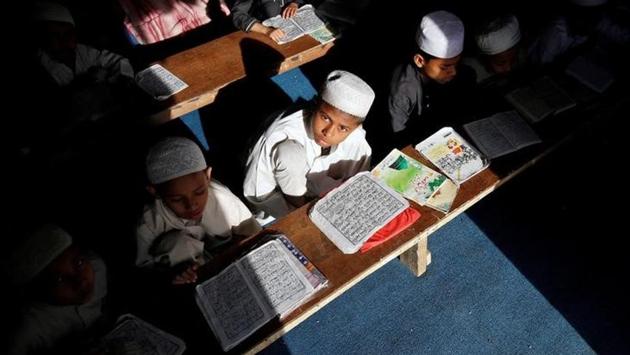
Around 14,000 of the Rohingya living in India are registered with the UN refugee agency, making the rest illegal and liable to be sent back. India however, is not a signatory to UN conventions on refugees and no national law covers this issue. (Mukesh Gupta/REUTERS)
8/9
 View Photos in a new improved layout
Updated on Aug 17, 2017 5:18 PM
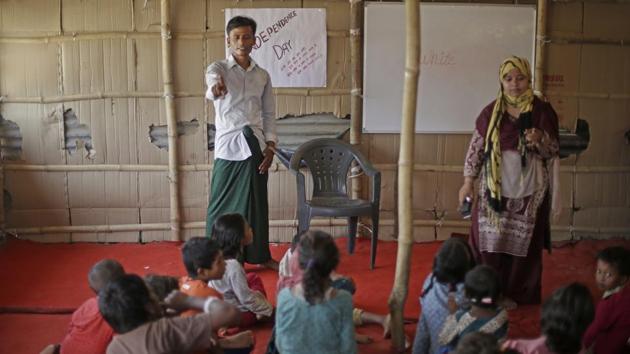
Concerned about India’s plans to deport Rohingya refugees, a spokesperson of UN secretary general Antonio Guterres said that refugees should not be returned to countries where they fear persecution once they are registered. (Altaf Qadri/AP)
9/9
 View Photos in a new improved layout
Updated on Aug 17, 2017 5:18 PM


