
 E-Paper



Photos: India’s workforce feels the pressure of economic slowdown
The Indian government will release its 2020 budget on Saturday, facing stuttering growth and record unemployment and a jump in inflation that has further widened India's wealth gap. The GST rollout, 2016 shock cash ban, and a sharp liquidity crunch in the vast shadow banking sector all played their part in creating a crisis that roils Asia's third-largest economy. AFP spoke to Indians from different sections of society about the impact of the economic slowdown, which has put the government under considerable pressure.
Updated on: Jan 30, 2020 3:18 PM IST


Share via


Copy link

1/11
 View Photos in a new improved layout
Updated on Jan 30, 2020 3:18 PM
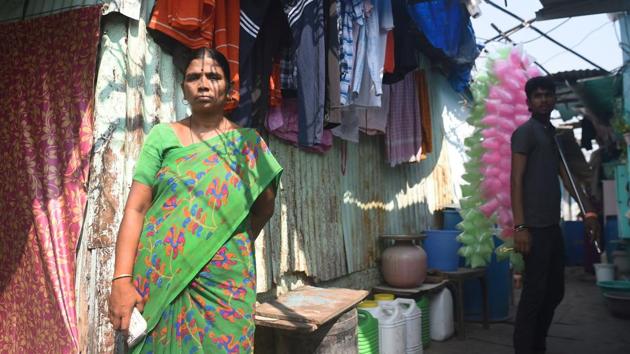
Saroj Ahire at the Colaba fisherman colony in Mumbai. At 50, Ahire was forced to take two jobs and work through the night to earn Rs15,000 a month, simply to keep her head above water. But the increase in income is no match for inflation, she said. “By the 25th of every month, I run out of cash and have to buy rice on loan from local shopkeepers,” the domestic worker told AFP. (Punit Paranjpe / AFP)
2/11
 View Photos in a new improved layout
Updated on Jan 30, 2020 3:18 PM
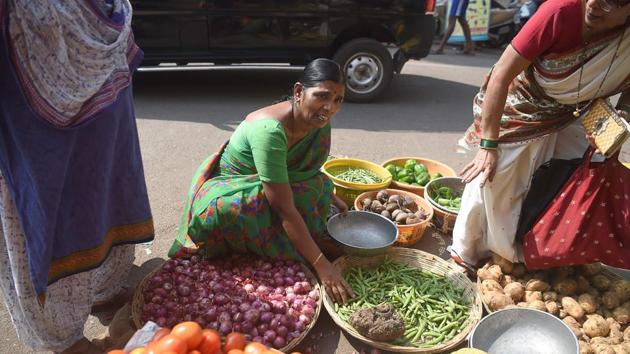
Saroj Ahire buys vegetables at a local market in Mumbai. With rising prices prompting her to think twice about what she eats—onions are now a luxury rather than a staple—planning for the future is impossible. Working for wealthy households only makes her feel worse, said Ahire, who shares a cramped one-room shanty with four family members. (Punit Paranjpe / AFP)
3/11
 View Photos in a new improved layout
Updated on Jan 30, 2020 3:18 PM
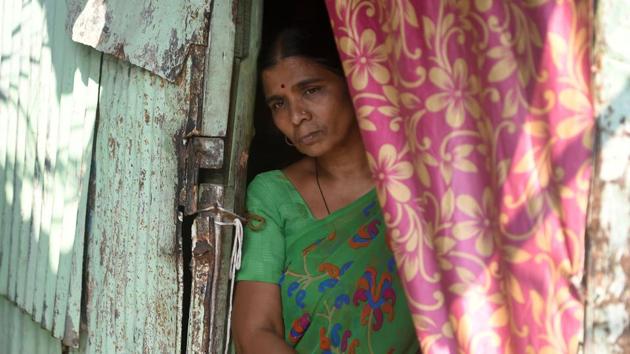
Saroj Ahire stands at the entrance to her house as she speaks with AFP in the Colaba fisherman colony. “Watching them enjoy good food while I clean their homes... it causes a bit of heartburn for sure,” she said. “We also want to live a good life and eat well.” (Punit Paranjpe / AFP)
4/11
 View Photos in a new improved layout
Updated on Jan 30, 2020 3:18 PM
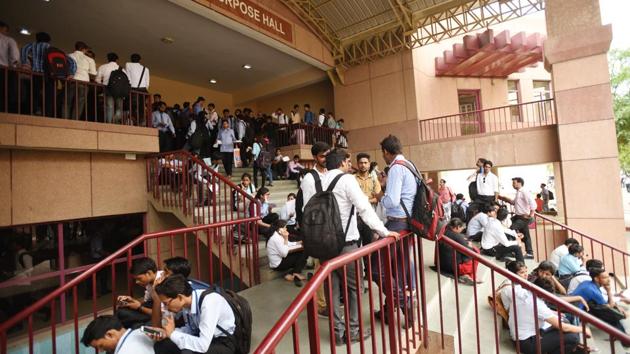
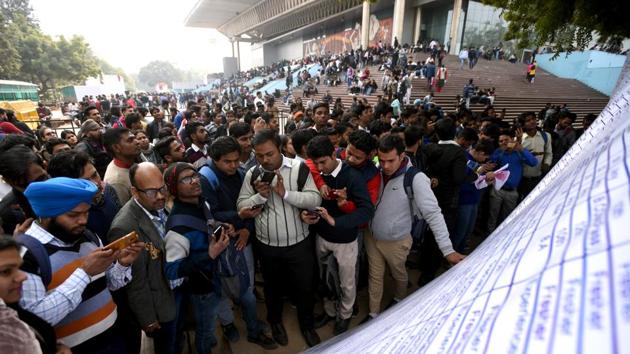
Aspirants at a job fair in Noida. An engineering degree followed by a job that paid Rs42,000 a month: Rahul (name changed at his request) thought he was set for life. But when the slowdown struck and companies laid off thousands, Rahul lost his job and has been struggling to land another. (Virendra Singh Gosain / HT Photo)
5/11
 View Photos in a new improved layout
Updated on Jan 30, 2020 3:18 PM
Candidates look at postings at a job fair in New Delhi. “I am constantly sending my resume hoping to get an interview call but companies barely respond. The situation is depressing,” he said. The 27-year-old told AFP he now relies on his father’s savings and pensions to keep their household running. (Amal KS / HT Photo)
6/11
 View Photos in a new improved layout
Updated on Jan 30, 2020 3:18 PM
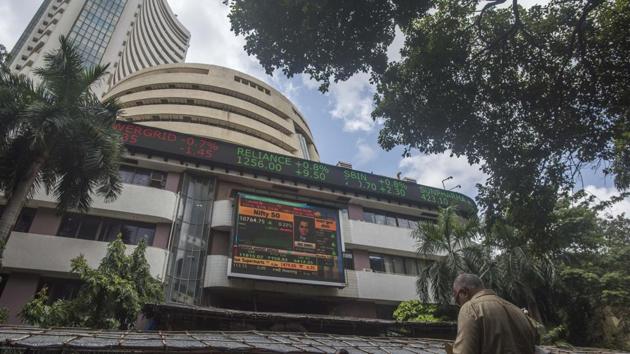
Not everyone is faring poorly. India’s stock markets have been hitting record highs, bringing cheer to investors with enough cash to plough into equities. A report by the charity Oxfam published last week said the wealth of India’s top one percent increased by a staggering 46% over the past year. (Pratik Chorge / HT Photo)
7/11
 View Photos in a new improved layout
Updated on Jan 30, 2020 3:18 PM
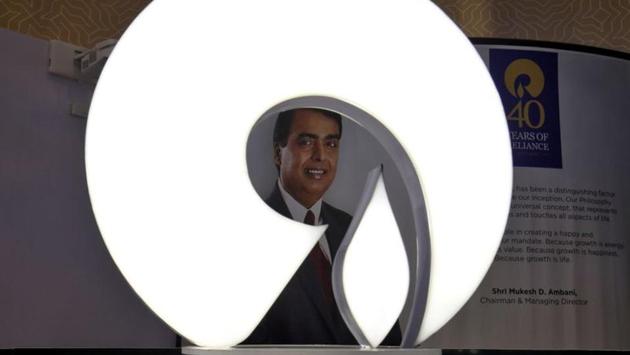
“Select stocks have done very well and since rich people have higher allocation of their wealth in equities they would have gotten richer,” R. Venkataraman, managing director of financial services firm IIFL Securities, told AFP. Reliance Industries, helmed by Mukesh Ambani, became India’s most valuable company with a market capitalisation of more than 10 trillion rupees in 2019. (Amit Dave / REUTERS)
8/11
 View Photos in a new improved layout
Updated on Jan 30, 2020 3:18 PM
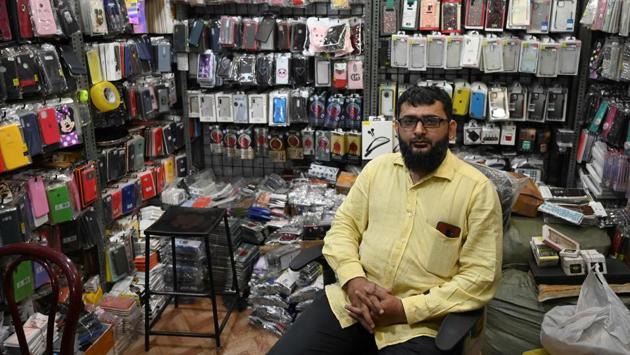
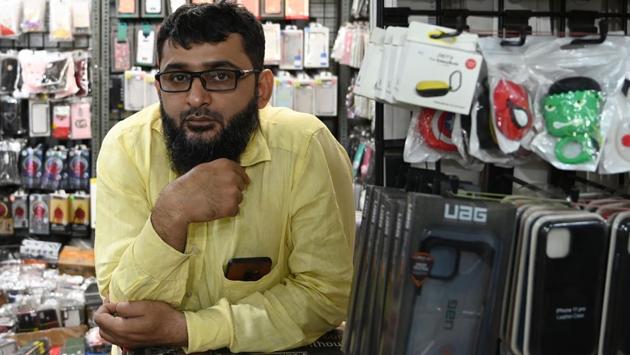
As the “feel-good factor” evaporates for everyone in India except the super-rich, consumers are cautious about spending on non-essential goods. Shopkeeper Aslam Malkani, whose Mumbai store stocks smartphone accessories, told AFP sales had plunged more than 80% over the past eight months. (Punit Paranjpe / AFP)
9/11
 View Photos in a new improved layout
Updated on Jan 30, 2020 3:18 PM
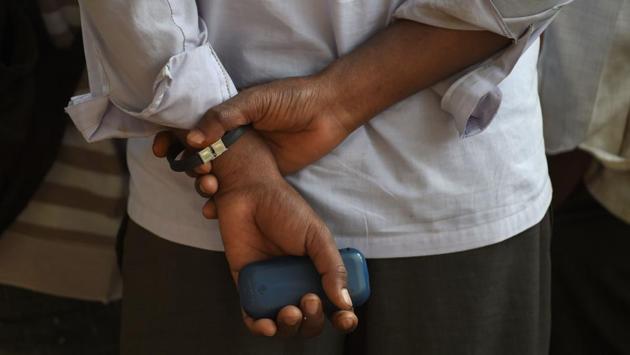
For some, the slowdown has made already difficult lives even more precarious. Every morning, Munna Singh joins hundreds of migrant workers waiting at a crowded Mumbai junction, all hoping to be picked up for a job—from masonry to construction to cleaning sewage pipes. (Punit Paranjpe / AFP)
10/11
 View Photos in a new improved layout
Updated on Jan 30, 2020 3:18 PM
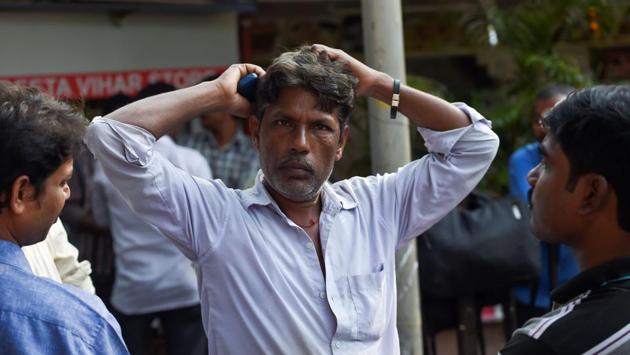
Munna Singh (C), waiting for work along with others. Singh, 45, left his village in northern India six months ago, desperate to earn a living. “Every day, from 6am to noon, we wait for some work but hope is dimming,” he said, adding that he sometimes goes two or three days without a meal. “Where are the jobs?” (Punit Paranjpe / AFP)
11/11
 View Photos in a new improved layout
Updated on Jan 30, 2020 3:18 PM


