
 E-Paper



Photos: Kolkata’s original laundry service, the colonial-era Dhobikhana
Before India’s Independence, the British government opened one of the largest open-air Dhobikhanas, modelled along the lines of Mumbai’s Mahalaxmi Dhobighat in the then Indian capital of Kolkata in 1902. One hundred and sixteen years later, almost 700 washermen have still kept the South Dhobikhana in Ballygunge operational. However, these washermen, many who’ve been here for generations, now bemoan the indifference of city authorities to their decaying facilities and are also faced with a lack of interest among the younger generation in carrying on with this traditional profession.
Updated on: Dec 04, 2018 1:05 PM IST

Share via


Copy link

1/12
 View Photos in a new improved layout
Updated on Dec 04, 2018 1:05 PM
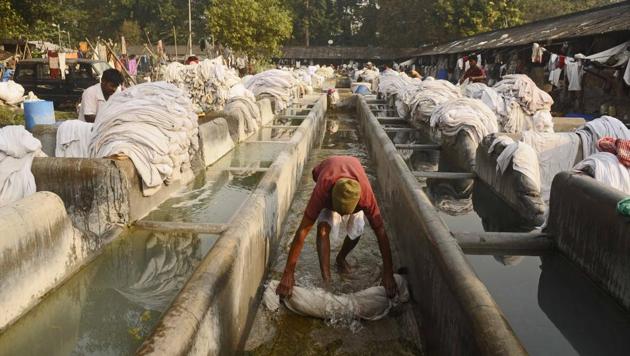
On August 15, 1902 i.e. forty-five years from the date of India’s independence, the British government opened one of the largest open-air dhobi ghats along the lines of Mumbai’s Mahalaxmi Dhobighat (1880) in the city of joy. Over a century later, almost 700 washermen inclusive of 235 licensed ones and around 450 assistants are still busy washing. (Samir Jana / HT Photo)
2/12
 View Photos in a new improved layout
Updated on Dec 04, 2018 1:05 PM
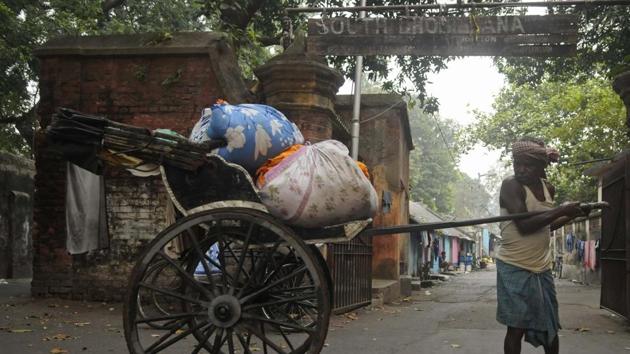
The nearly 22 bighas of the Dhobikhana in Ballygunje, with their high perimeter walls and lush trees are easy to miss. A minor lane leads up to a faded wooden board marking the entry to ‘South Dhobikhana’. Inside, generations of washermen, many tracing lineages to the first workers here are addressing the day’s load. (Samir Jana / HT Photo)
3/12
 View Photos in a new improved layout
Updated on Dec 04, 2018 1:05 PM
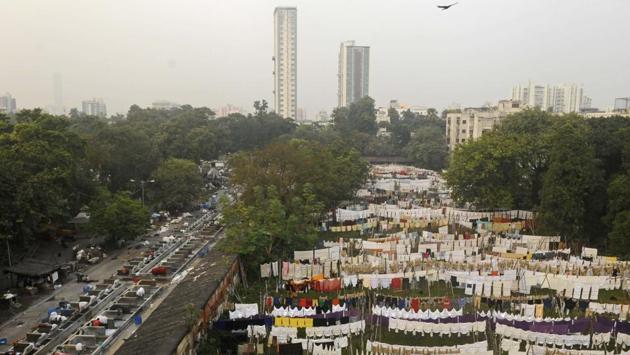
A view of the Dhobikhana, from Maddox Square on Ritchie road. In the year 1913-14, the monthly rent for each stone pen was Rs. 2 with a license fee of Re. 1. That year, the annual loss was more than Rs. 16,000. However, no question was raised considering it had not been set up to earn revenue rather as an emergency service. (Samir Jana / HT Photo)
4/12
 View Photos in a new improved layout
Updated on Dec 04, 2018 1:05 PM
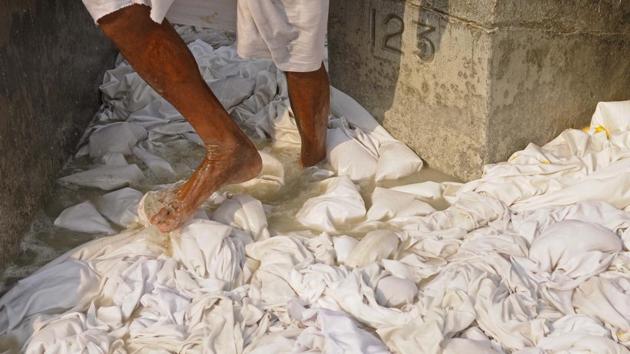
Walk down the entry path at the front and one is led to the 108 stone pens used in turns throughout the day by the washermen. The clothes are first dipped in soapy water overnight and the whites bleached if required. In the end they are run through clean water. The pens, known locally as Hoj, have cisterns underneath for storing water. (Samir Jana / HT Photo)
5/12
 View Photos in a new improved layout
Updated on Dec 04, 2018 1:05 PM
A workday starts as early as 4 am and lasts as long as there are clothes to wash, dry and iron, even if until midnight. The sound of clothes being battered against stone is a constant. As many as 200 articles pass a washerman’s hands daily, netting a monthly income of around Rs 25,000. (Samir Jana / HT Photo)
6/12
 View Photos in a new improved layout
Updated on Dec 04, 2018 1:05 PM
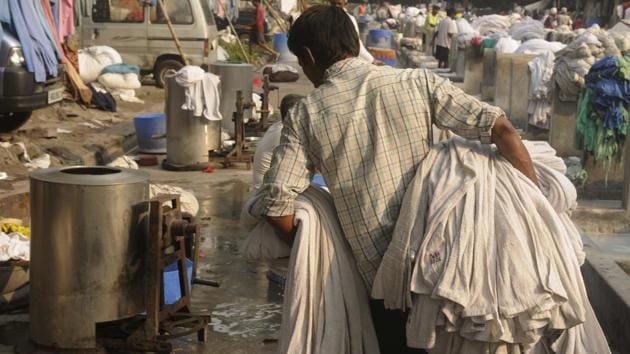
Once cleaned, the clothes get a spin in the hydro --a manually operated machine that wrings out water. Its large steel drum is spun with a hand roller on the side. It takes under an hour to dry out a batch which is then laid out in the sun. It’s only during the monsoon that the drying turns a bit difficult. (Samir Jana / HT Photo)
7/12
 View Photos in a new improved layout
Updated on Dec 04, 2018 1:05 PM
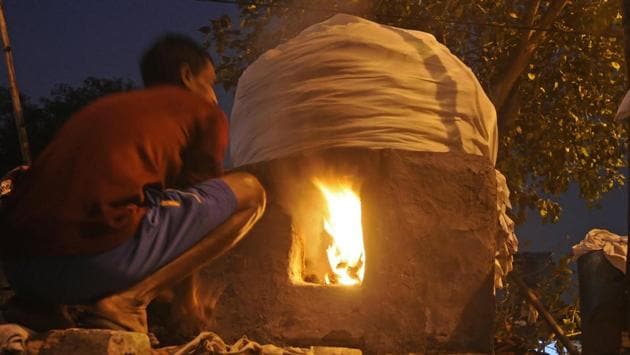
Each Hoj has an attached coal-oven for cleaning oil-tinted clothes with hot water. The process has changed, but the idea behind the Dhobikhana was to encourage dry cleaning, where clothes were cleaned by vapour from heated water. That process would consume around 12 hours. (Samir Jana / HT Photo)
8/12
 View Photos in a new improved layout
Updated on Dec 04, 2018 1:05 PM
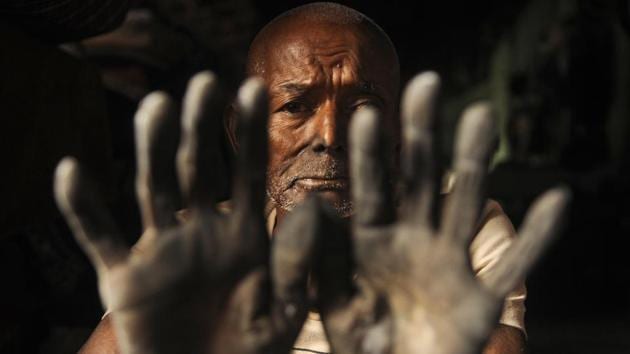
Ram Choudhuri, 80, has worked for more than 65 years preparing coal for the ovens and irons. Similarly, 74-year-old Panchu Lal Das has worked here for almost 50 years in scorching 44 degree Celsius summers and 4-5 degree winters. With the passing of time, what was once state-of-the-art has fallen far behind times, appearing antiquated. (Samir Jana / HT Photo)
9/12
 View Photos in a new improved layout
Updated on Dec 04, 2018 1:05 PM
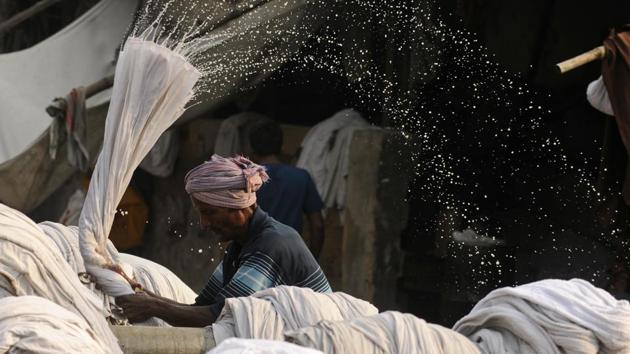
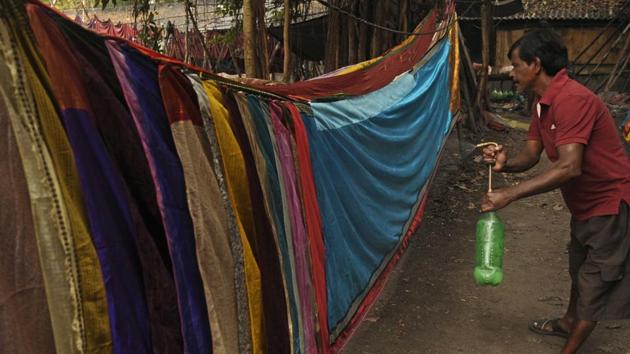
A worker sprays saris before they’re sent for polishing. Santu Choudhuri, secretary of South Dhobikhana Rajak Sangh spoke of diminishing resources, saying that the water supply has dropped to just twice a day, from the earlier four. The facility runs through approximately ten thousand litres of water daily, supplied from the Talla overhead tank, but that’s also decreasing gradually. (Samir Jana / HT Photo)
10/12
 View Photos in a new improved layout
Updated on Dec 04, 2018 1:05 PM
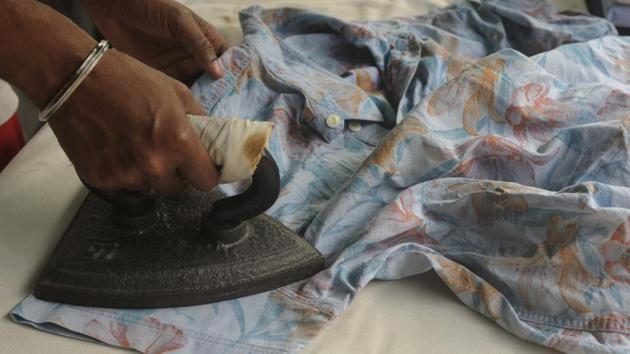
The low voltage electricity supplied to the Dhobikhana restricts it to non-electric irons. The local body has plans to send a proposal to the Kolkata Municipal Corporation to increase water supply and introduce high voltage electricity in the near future. (Samir Jana / HT Photo)
11/12
 View Photos in a new improved layout
Updated on Dec 04, 2018 1:05 PM
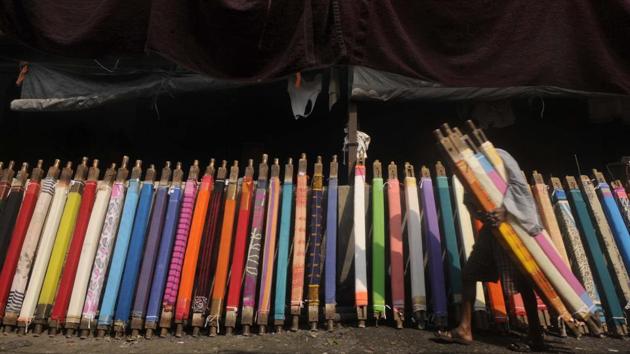
Washed and polished sari drying in the sun. Despite the large scale of work, people here bemoan the indifference of the corporation. According to them, the corporation doesn’t have any plans for modernisation. They are not sure how long this traditional service can continue, since the next generation is interested in more lucrative professions. (Samir Jana / HT Photo)
12/12
 View Photos in a new improved layout
Updated on Dec 04, 2018 1:05 PM


