
 E-Paper



Photos: The dwindling trade of Delhi’s unsung recycling heroes
The JJ colony in west Delhi’s Raghubir Nagar is home to the Waghri community, whose women travel long distances to barter new utensils for old clothes. Known in north India as ‘bartanwalis’, (women who sell utensils), they sell used clothes to roadside vendors and traders who come to the colony’s second-hand clothes market, known as Ghoda Mandi, organised every morning between 4 am and 8 am. However, with no encouragement from the administration and the crackdown on flea markets, their generational trade is on the decline.
Updated on: Nov 26, 2019 10:12 AM IST


Share via


Copy link

1/8
 View Photos in a new improved layout
Updated on Nov 26, 2019 10:12 AM
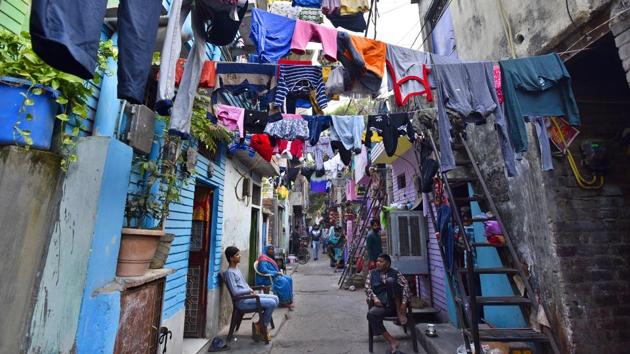
Clothes are hung on ropes to dry at Raghubir Nagar in New Delhi. The locality is home to members of the Waghri community who barter new utensils for old clothes, and then sell these used clothes to roadside vendors and traders who come to the colony’s second-hand clothes market, known as Ghoda Mandi --organised every morning between 4 am and 8 am. (Sanjeev Verma / HT Photo)
2/8
 View Photos in a new improved layout
Updated on Nov 26, 2019 10:12 AM
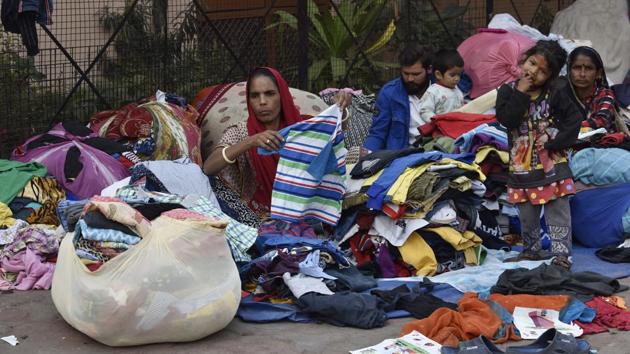
A woman from the community folds clothes and bundles them. The clothes are sorted based on different categories—shirts, trousers, jeans, sweaters, etc. The women who travel long distances to barter are known as ‘bartanwalis’ (women who sell utensils). The traders who buy the used clothes from the women, further sell them to millions of people in villages and small towns across the country, who cannot afford new garments. (Sanjeev Verma / HT Photo)
3/8
 View Photos in a new improved layout
Updated on Nov 26, 2019 10:12 AM
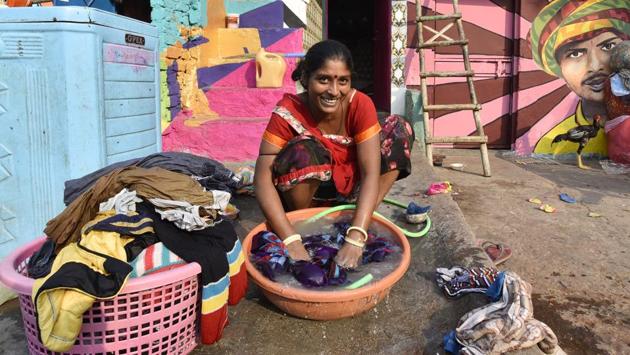
A woman from the community washes clothes. The members of the Waghri community shifted from different parts of the country and set up their shanties here in 1964. They were allotted plots in 1977 and ever since this colony has been their home. However, Popat Lal, a 63-year-old resident, said that their income has either stagnated or has dwindled over the past two decades. (Sanjeev Verma / HT Photo)
4/8
 View Photos in a new improved layout
Updated on Nov 26, 2019 10:12 AM
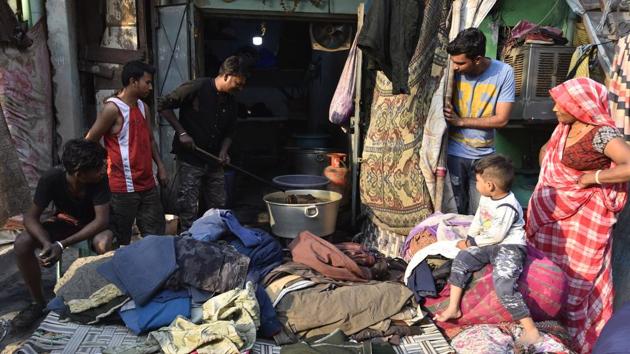
A member of the community dyes the used clothes. The JJ colony in Raghubir Nagar – a warren of narrow streets — is also a place where old garments get a new lease of life. Inside many houses, one can see piles of clothes, heavy irons and big vessels, used for ironing, patching, darning and colouring the clothes. (Sanjeev Verma / HT Photo)
5/8
 View Photos in a new improved layout
Updated on Nov 26, 2019 10:12 AM
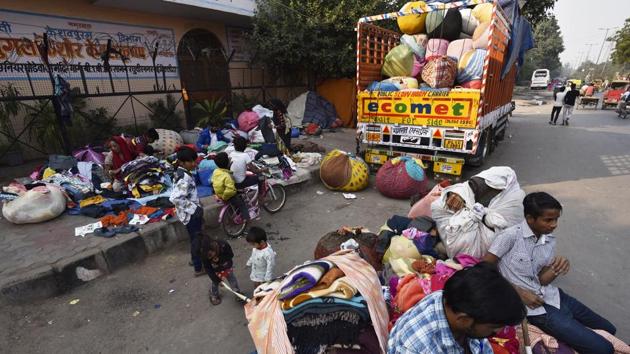
After the clothes are sorted and bundled, they are loaded into trucks. “These clothes will be delivered to traders and vendors in different districts of Gujarat, who will sell them to migrant labourers from UP and Bihar. Girls in their families do not wear skirts and tops. Utility, and not style, matters most in the second-hand clothes market,” said Jayanti Bhai Devipujak, another resident. (Sanjeev Verma / HT Photo)
6/8
 View Photos in a new improved layout
Updated on Nov 26, 2019 10:12 AM
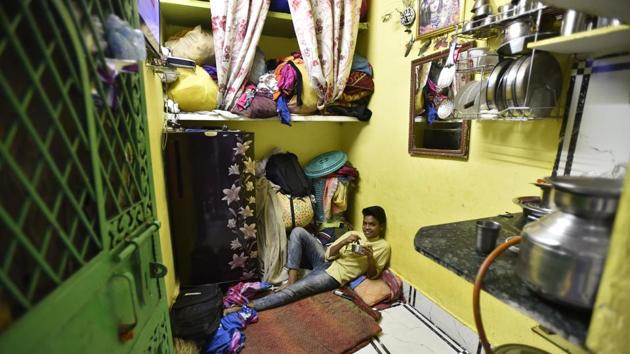
A boy is surrounded by bundles of clothes as he rests at his residence. Tonnes of clothes —shirts, sweaters, saris, jeans —collected from all over Delhi-NCR and other states, are sold in a few hours at the local mandi. Those in a good shape go for ₹5 to ₹20 per piece; otherwise, most clothes are sold at ₹3 to ₹5 per kg. (Sanjeev Verma / HT Photo)
7/8
 View Photos in a new improved layout
Updated on Nov 26, 2019 10:12 AM
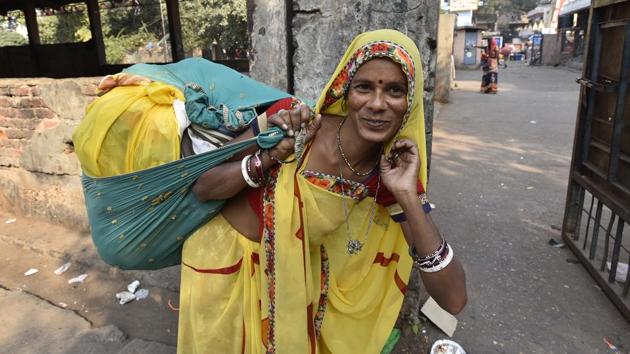
A woman carries a bundle of clothes on her back. “Traders come from as far as Bihar, Uttar Pradesh, Nepal, to Delhi because they get used clothes of the best quality here,” Jayanti said. And the reason, the community members say, is Delhiites’ love for new clothes. Delhiites spend a lot on clothes, but discard them once they wear out, giving the bartanwalis the opportunity to barter them for utensils. (Sanjeev Verma / HT Photo)
8/8
 View Photos in a new improved layout
Updated on Nov 26, 2019 10:12 AM


