
 E-Paper



Photos: Retracing Indian tribal heritage through handmade combs
There are 1,500 tribal combs in Niranjan Mahawar’s collection, each with a story attached to its owner and representing a wealth of information about the cultural and social meaning of the combs for the tribes who made them. About 150 combs from Mahawar’s collection built over four decades will soon move into a museum being built for them at the Pandit Ravishankar Shukla University in Raipur and in a few months, a 5,000-sq-ft hall will hold bronze sculptures, traditional masks, paintings and combs.
Updated on: Apr 23, 2018 2:32 PM IST

Share via


Copy link

1/7
 View Photos in a new improved layout
Updated on Apr 23, 2018 2:32 PM
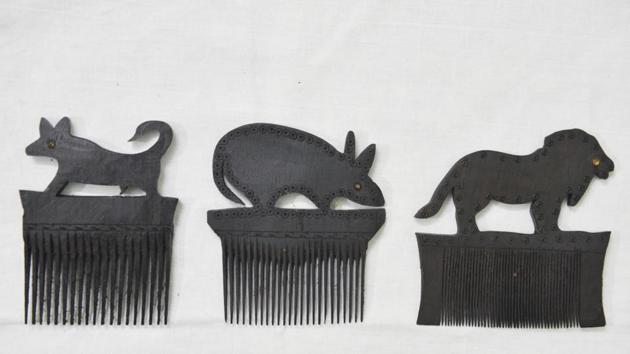
A trio of handmade wooden combs with animal motifs from Niranjan Mahawar’s 1,500 specimen strong collection. All handmade and once used by a tribal man or woman somewhere in Gujarat, Rajasthan, West Bengal, Karnataka or Chhattisgarh, Mahawar’s collection of combs chiselled out of buffalo horn, wood, or metal represents a wealth of cultural information about the tribes that made them. (Sanchit Khanna / HT Photo)
2/7
 View Photos in a new improved layout
Updated on Apr 23, 2018 2:32 PM
Mahawar began collecting combs in the early 1960s, soon after he moved from Madhya Pradesh to Chhattisgarh’s Bastar region to set up a rice mill. The smallest is the size of a finger, the largest, the size of your palm. And each one tells a story. They were used to say, I love you, We’re married or, He’s gone. (Sanchit Khanna / HT Photo)
3/7
 View Photos in a new improved layout
Updated on Apr 23, 2018 2:32 PM
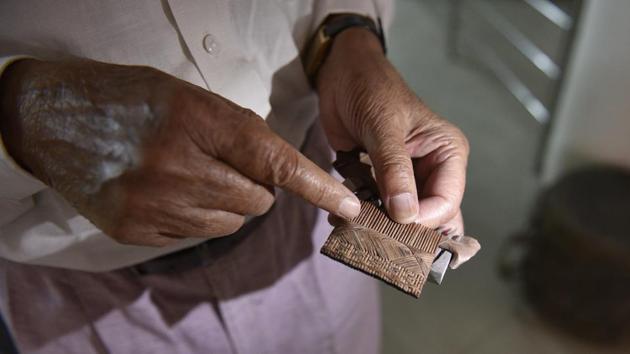
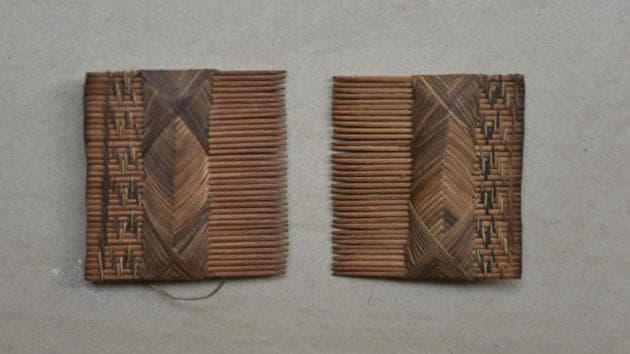
“The tribes made combs from whatever was available,” says Mahawar, a retired businessman and author of Bastar Bronzes: Tribal Religion and Art. “In the cultivated plains of Bastar, the Murias used tin as decoration, and aluminium to make hairpins. But in the same state, the Dhurwas living in the dense Sal forests could only use its leaves and fibre to weave modest, two-sided combs.” (Sanchit Khanna / HT Photo)
4/7
 View Photos in a new improved layout
Updated on Apr 23, 2018 2:32 PM
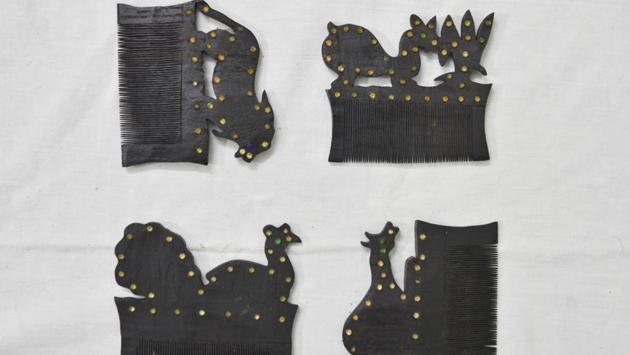
Among the Murias, a Gond tribe of the Bastar region, unmarried boys would make ornate wooden combs and present them to their favourite girls. The girls would flaunt each piece they received in their hair until the day of marriage. Once married, they would preserve the one gifted by their husband and return the rest. (Sanchit Khanna / HT Photo)
5/7
 View Photos in a new improved layout
Updated on Apr 23, 2018 2:32 PM
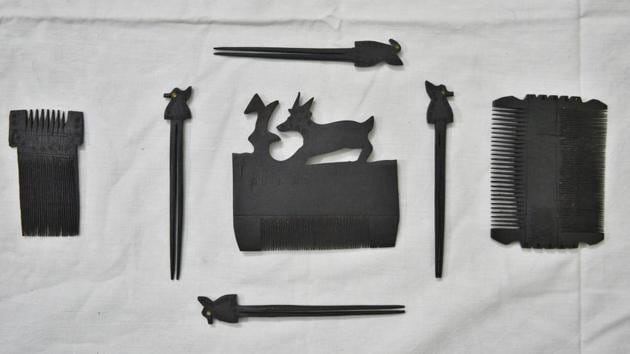
Combs are also part of myths and used as ritual objects. Among the Kukis – a hill tribe from Manipur – men wear long hair fixed in a knot with wooden combs that they treasure. During wedding ceremonies, the priest presents a comb to the couple, considered a sacred object, and losing it would be considered unlucky. (Sanchit Khanna / HT Photo)
6/7
 View Photos in a new improved layout
Updated on Apr 23, 2018 2:32 PM
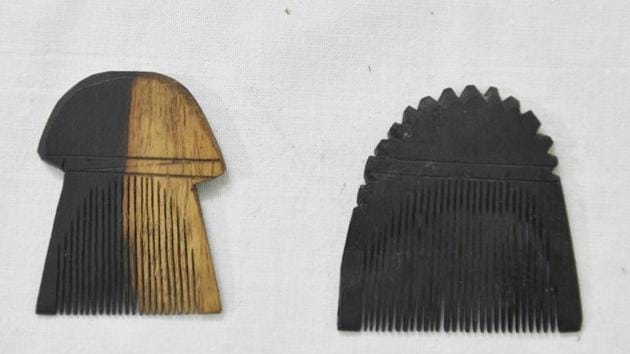
In Jharkhand, many tribal groups used compact wooden combs with thin spikes very close together, showing that they were using combs for delousing, suggesting special care towards hygiene. “Over the past few decades, plastic alternatives have flooded the market. So it’s rare to find a tribe still making such combs,” Mahawar says. (Sanchit Khanna / HT Photo)
7/7
 View Photos in a new improved layout
Updated on Apr 23, 2018 2:32 PM


