
 E-Paper



Health tips to control visceral fat
Excess abdominal fat or visceral fat is an independent predictor of risk factors for diseases like type 2 diabetes, high blood pressure, dyslipidaemia and other components of the metabolic syndrome. Health experts share fitness tips to control visceral fat or belly fat
Updated on: May 25, 2022 4:20 PM IST


Share via


Copy link

1/10
 View Photos in a new improved layout
Updated on May 25, 2022 4:20 PM
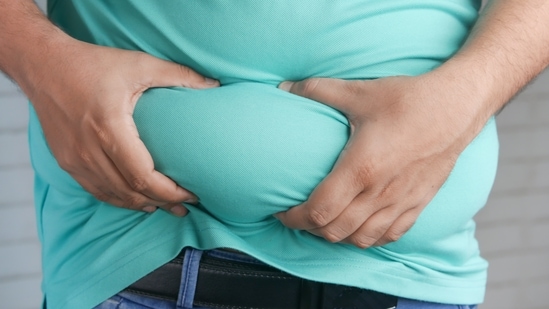
Visceral body fat, is the fat that gets stored inside the belly and surrounds all the vital organs like liver, pancreas, intestines etc. The fat stored underneath the skin is known as subcutaneous fat. “As Indians, we have an increased tendency to have central obesity”, says Dr. Aparna Govil Bhasker, a bariatric surgeon at Mumbai's Saifee Hospital. A typical Indian person walking on the road will be thin all over except for a protruding paunch. This is also known as apple shaped body or android obesity. Excess abdominal fat or visceral fat is an independent predictor of risk factors for diseases like type 2 diabetes, high blood pressure, dyslipidemia, and other components of the metabolic syndrome. (Photo by Towfiqu barbhuiya on Unsplash)
2/10
 View Photos in a new improved layout
Updated on May 25, 2022 4:20 PM
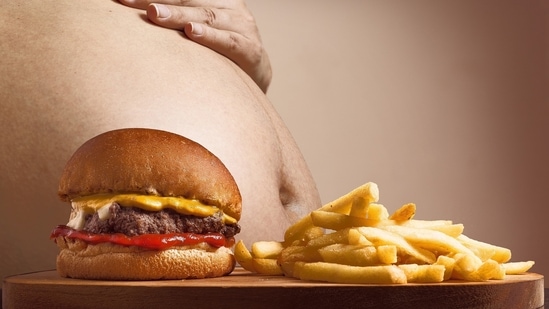
Recent studies have shown that health risks associated with obesity have been seen to occur at BMI as low as 22 to 23 kg/m2 in some Asian populations. Asian Indians typically have central obesity with high visceral fat which leads to an increased predisposition to diabetes and heart disease. Visceral fat in excess causes disruption in the functioning of hormones and releases inflammatory chemicals that increase the risk of the above-mentioned metabolic diseases. Some of the factors that cause an increase in visceral fat include, a sedentary lifestyle or lack of physical activity, high calorie diet, poor sleep, alcohol consumption and high stress levels. Ageing further increases the proportion of fat and reduces muscle mass. Prevention is always better than cure. Here are some tips by Dietician Mariam Lakdawala to control visceral fat: (Image by (Joenomias) Menno de Jong from Pixabay )
3/10
 View Photos in a new improved layout
Updated on May 25, 2022 4:20 PM
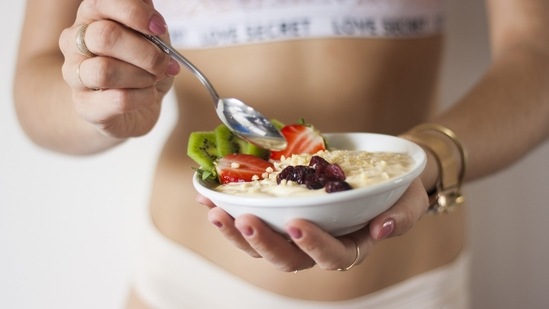
1. Maintain a healthy eating pattern - Skipping meals, eating close to bed-time, midnight snacking, binge eating, eating out of boredom, etc. are unhealthy eating habits that increase sweet cravings, hunger pangs and consumption of high calorie foods. These can gradually cause an increase in visceral fat. (Pixabay)
4/10
 View Photos in a new improved layout
Updated on May 25, 2022 4:20 PM
2. Eat a well-balanced diet - To ensure a well-balanced diet it is very important to nutritionally balance every meal. A combination of good quality fibre rich carbohydrates, moderate protein and less fat is the best way of maintaining balance. Avoid foods high in calories and low on nutrition like cakes, sweets, biscuits, chocolate, soft drinks, namkeens, French fries, burgers, Chinese, or desserts. (Shutterstock)
5/10
 View Photos in a new improved layout
Updated on May 25, 2022 4:20 PM
3. Exercise daily - Engage in cardio or aerobic exercises daily for at least 45-60 minutes daily like brisk walking, swimming, cycling, gymming, jogging or any outdoor sport. Opt for an activity you enjoy doing since that will ensure compliance and also relieve stress. (Photo by Gabin Vallet on Unsplash )
6/10
_1653474097250_1653475220731.jpg "4. Sleep and wake up as per the body’s biological clock - Less or disturbed sleep can lead to mid-night snacking, food cravings, etc. Getting good sleep is very important to reduce visceral fat. (Unsplash)") View Photos in a new improved layout
View Photos in a new improved layoutUpdated on May 25, 2022 4:20 PM
4. Sleep and wake up as per the body’s biological clock - Less or disturbed sleep can lead to mid-night snacking, food cravings, etc. Getting good sleep is very important to reduce visceral fat. (Unsplash)
7/10
_1630315763542_1653475359454.jpg "5. Stay stress-free - Stress produces more cortisol (the stress hormone) to help the body cope with the strain. It may hold on fat in the abdomen and increase visceral fat. Try relaxation techniques such as yoga and meditation, engage in hobbies, outdoor sports, etc. to beat stress. (Unsplash)") View Photos in a new improved layout
View Photos in a new improved layoutUpdated on May 25, 2022 4:20 PM
5. Stay stress-free - Stress produces more cortisol (the stress hormone) to help the body cope with the strain. It may hold on fat in the abdomen and increase visceral fat. Try relaxation techniques such as yoga and meditation, engage in hobbies, outdoor sports, etc. to beat stress. (Unsplash)
8/10
 View Photos in a new improved layout
Updated on May 25, 2022 4:20 PM
6. Avoid or limit alcohol intake - Alcohol consists of simple carbohydrates which if consumed in excess gets converted to fat and sits in the belly. (Arun Mondhe/HT photo)
9/10
 View Photos in a new improved layout
Updated on May 25, 2022 4:20 PM
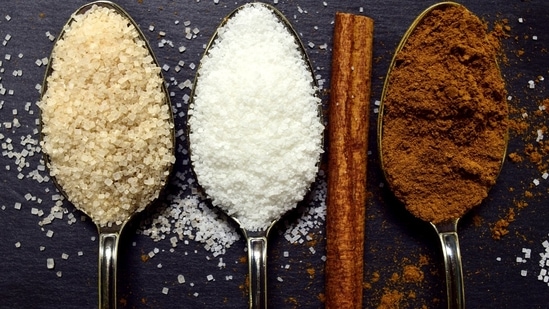
7. Avoid the intake of sugars - Like alcohol, table sugar, sugary beverages, aerated drinks, bakery foods, etc. contain simple carbohydrates and very negligible amount of nutrients and fibre. Frequent consumption of these foods even in limited quantities gradually causes an increase in the visceral fat. (Pixabay)
10/10
 View Photos in a new improved layout
Updated on May 25, 2022 4:20 PM


