
 E-Paper



In Pics: Nyepi, the Balinese ‘Day of Silence’
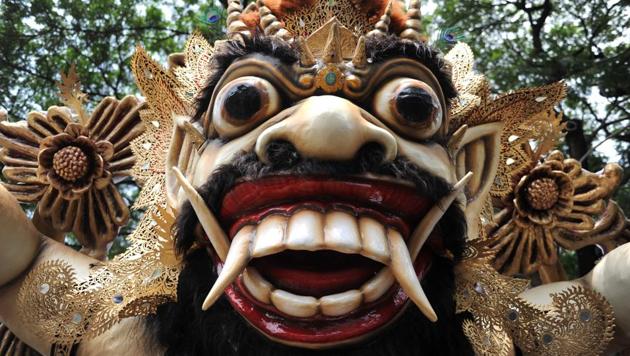
Balinese Hindu prepare effigies known as ‘Ogoh-Ogoh’ before a parade one day before 'Silent Day' in Denpasar on Indonesia's resort island of Bali on March 27, 2017. (Sonny Tumbelaka / AFP)
Updated on: Mar 28, 2017 4:26 PM IST

Share via


Copy link

1/11
 View Photos in a new improved layout
Updated on Mar 28, 2017 4:26 PM
Balinese Hindu prepare effigies known as ‘Ogoh-Ogoh’ before a parade one day before 'Silent Day' in Denpasar on Indonesia's resort island of Bali on March 27, 2017. (Sonny Tumbelaka / AFP)
2/11
 View Photos in a new improved layout
Updated on Mar 28, 2017 4:26 PM
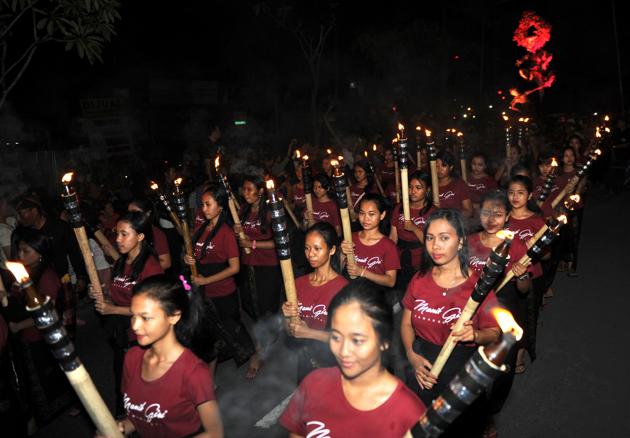
The predominantly Hindu island of Bali in Indonesia, the world's largest Muslim-populated nation, will celebrate the 'Day of Silence' on March 28, locally known as Nyepi. (Sonny Tumbelaka / AFP)
3/11
 View Photos in a new improved layout
Updated on Mar 28, 2017 4:26 PM
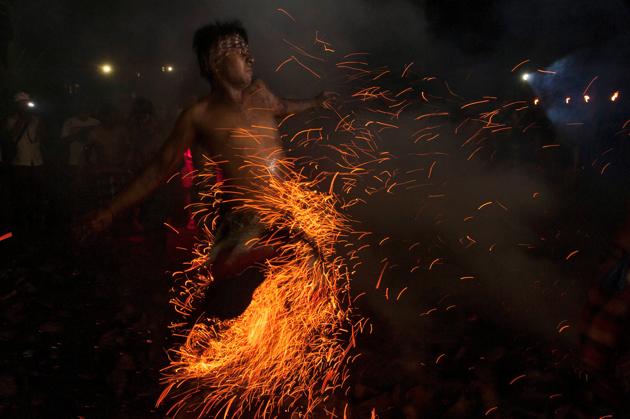
A Balinese Hindu runs through burning coconut husks during a ‘Mesabatan Api’ ritual on the eve of Nyepi, a day of silence for self-reflection to celebrate the new year, in Gianyar, Bali, Indonesia March 27, 2017. (Nyoman Budhiana/ Reuters)
4/11
 View Photos in a new improved layout
Updated on Mar 28, 2017 4:26 PM
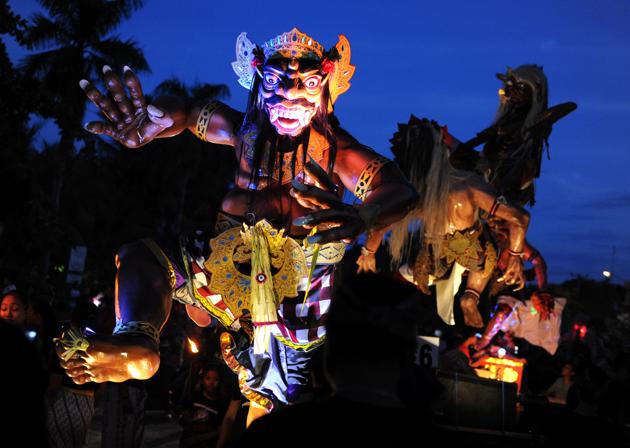
Balinese people prepare an effigy known as ‘Ogoh-Ogoh’ during parade one day before 'Silent Day' in Jimbaran on Indonesia's resort island of Bali. (Sonny Tumbelaka / AFP)
5/11
 View Photos in a new improved layout
Updated on Mar 28, 2017 4:26 PM
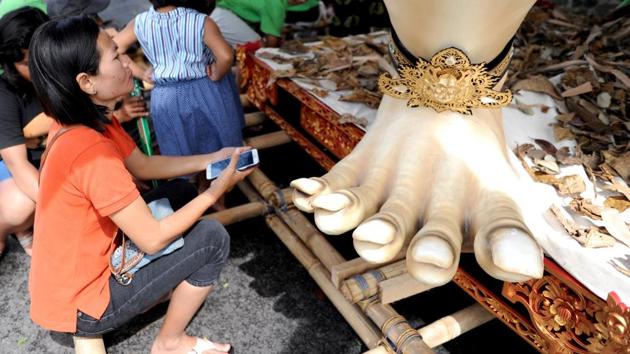
The ‘Day of Silence’ marks the Balinese Hindu new year, a six-day celebration which generally falls in March and is a public holiday across Indonesia. (Sonny Tumbelaka / AFP)
6/11
 View Photos in a new improved layout
Updated on Mar 28, 2017 4:26 PM
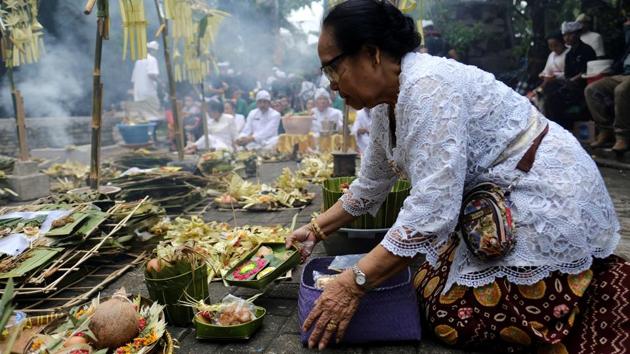
A Balinese Woman Hindu worshipper puts an offering during Ogoh-ogoh festival. (Beawiharta / Reuters)
7/11
 View Photos in a new improved layout
Updated on Mar 28, 2017 4:26 PM
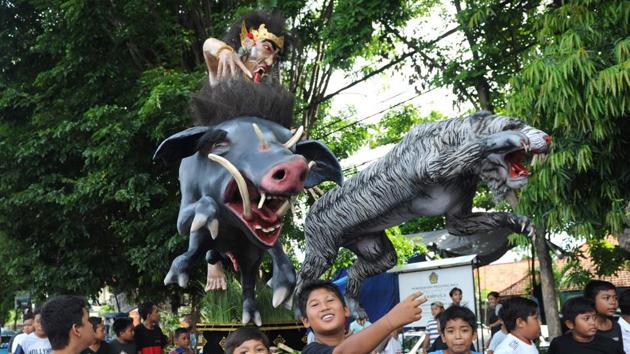
On the day reserved for self-reflection, people are forbidden from using lights, working, travelling and lighting fires. (Sonny Tumbelaka / AFP)
8/11
 View Photos in a new improved layout
Updated on Mar 28, 2017 4:26 PM
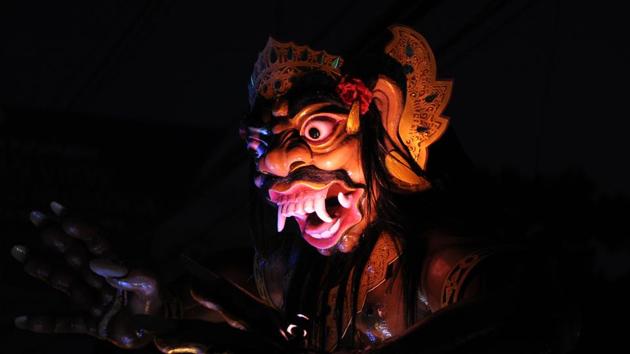
Nyepi festivities started on Saturday for Melasti, when Balinese carried sacred objects from Hindu temples into the sea for blessings and purification. (Sonny Tumbelaka / AFP)
9/11
 View Photos in a new improved layout
Updated on Mar 28, 2017 4:26 PM
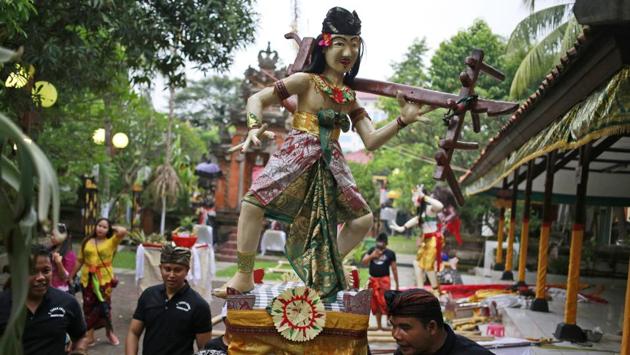
Children carry a giant effigy called ‘ogoh-ogoh’ representing evil spirits that need to be cleansed during a parade on the evening of the Day of Silence . (Dita Alangkara / AP)
10/11
 View Photos in a new improved layout
Updated on Mar 28, 2017 4:26 PM
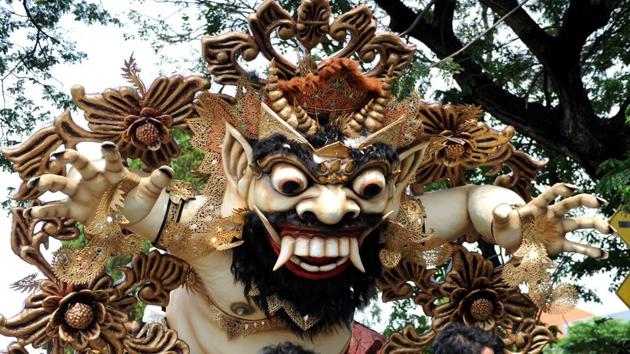
The Day of Silence is intended to ward off evil spirits – the belief is that if Bali remains quiet, the spirits will think it uninhabited and fly over the island. (Sonny Tumbelaka / AFP)
11/11
 View Photos in a new improved layout
Updated on Mar 28, 2017 4:26 PM


