
 E-Paper



Photos: Exploring the forts of Thane
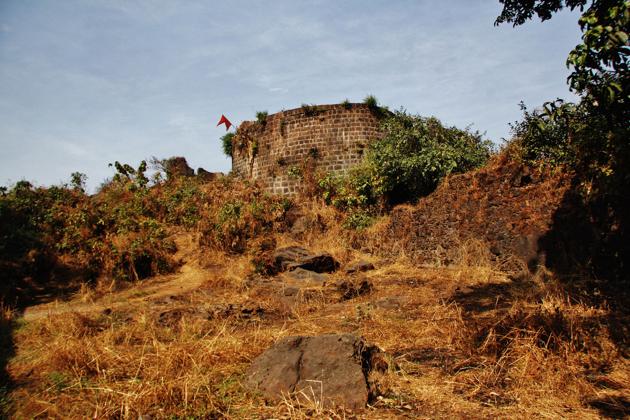
The Ghodbunder fort in Thane was originally built by the Portuguese and completed in 1730. Later, the fort was conquered and occupied by the Marathas. In 1818, the British East India Company started using it as its district headquarters. The fort is now in desperate need of maintenance and conservation. (PRAFUL GANGURDE/HT PHOTO)
Updated on: May 19, 2018 3:43 PM IST


Share via


Copy link

1/13
 View Photos in a new improved layout
Updated on May 19, 2018 3:43 PM
The Ghodbunder fort in Thane was originally built by the Portuguese and completed in 1730. Later, the fort was conquered and occupied by the Marathas. In 1818, the British East India Company started using it as its district headquarters. The fort is now in desperate need of maintenance and conservation. (PRAFUL GANGURDE/HT PHOTO)
2/13
 View Photos in a new improved layout
Updated on May 19, 2018 3:43 PM
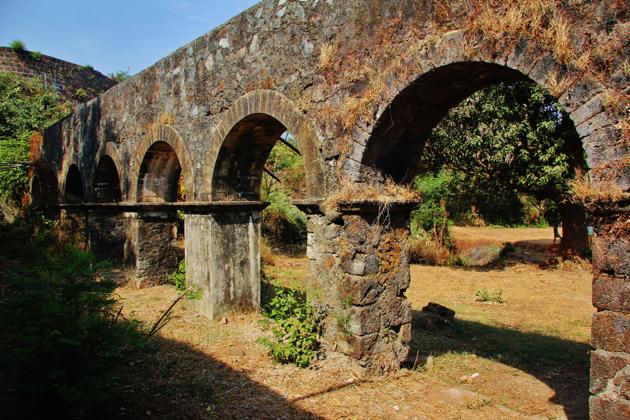
Various Thane-based organisations came together and organised the Ghodbunder festival in March this year, to try and educate people about the fort’s rich history and the heritage that would be lost if the fort, which is falling apart, is not protected and maintained. (PRAFUL GANGURDE/HT PHOTO)
3/13
 View Photos in a new improved layout
Updated on May 19, 2018 3:43 PM
“Thane residents are hardly aware of the rich history and heritage that the city possess. It is essential to bring this to the forefront, especially among children, so that they ensure its conservation and do not allow it to fall into ruins,” said Shripad Bhalerao, co-founder, Swatva, one of the outfits that was part of Ghodbunder festival. The festival involved a heritage walk, lectures on conservation and various folk activities. (PRAFUL GANGURDE/HT PHOTO)
4/13
 View Photos in a new improved layout
Updated on May 19, 2018 3:43 PM
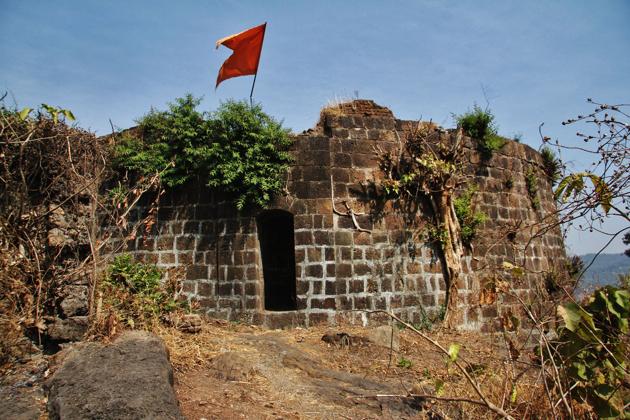
Ghodbunder Fort does not see very many visitors, except for some adventurous trekkers. “We are regulars at the fort and sometimes take up cleanliness drives, especially after long weekends,” said Vikas Chauhan, an avid trekker and founder of Nisarga Chitra, a Thane-based trekking group. (PRAFUL GANGURDE/HT PHOTO)
5/13
 View Photos in a new improved layout
Updated on May 19, 2018 3:43 PM
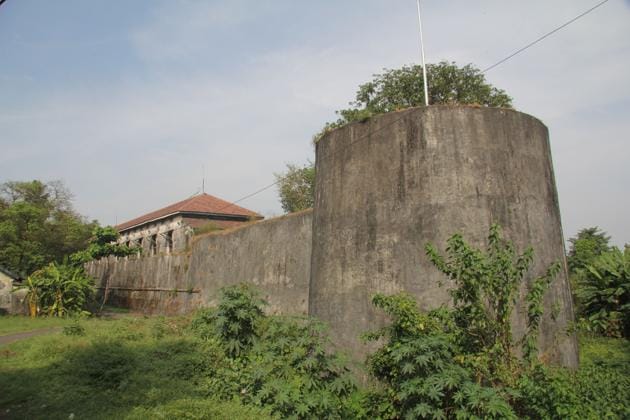
The Thane Municipal Corporation recently allocated a budget of Rs 1 crore to restore the Jail Fort and convert it into a popular tourist spot. The fort currently houses the Thane Central Jail, which the civic body wants relocated. Currently Jail Fort, which is spread over a sprawling 38 acres, has more than 3,000 inmates in several barracks, as well as staff quarters and other units within its premises. (PRAFUL GANGURDE/HT PHOTO)
6/13
 View Photos in a new improved layout
Updated on May 19, 2018 3:43 PM
Built by a Maratha General Subhedar Ramji Biwalkar in the Peshwa period, it was occupied by the Portuguese for a very long period, after which in 1740, the Marathas conquered it. Later, the British took over and started using it to imprison freedom fighters, some of who were hanged in the jail too. Some historians believe the fort should remain with the jail authorities who maintain it well. It should not become like the neglected Nagla Fort, which has been completely ruined. (PRAFUL GANGURDE/HT PHOTO)
7/13
 View Photos in a new improved layout
Updated on May 19, 2018 3:43 PM
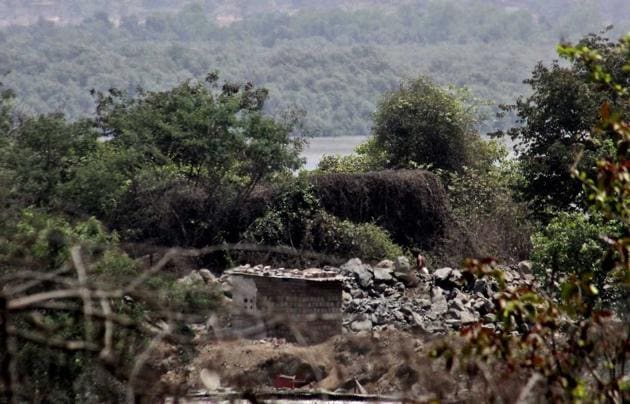
Historians think efforts should be made to restore and maintain forts in Thane district, otherwise they will all go the way of Nagla fort. “There are hardly any traces left of the fort at Nagla because of excessive mining. Earlier, there used to be two arches and a small room visible. Repeated complaints have not stopped quarrying activities at the fort,” said Sadashiv Tetwilkar, a veteran historian in Thane. (PRAFUL GANGURDE/HT PHOTO)
8/13
 View Photos in a new improved layout
Updated on May 19, 2018 3:43 PM
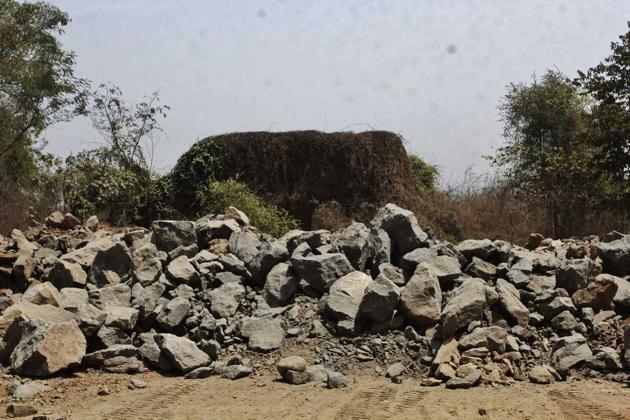
Nagla Bunder is the narrowest point in Thane creek and used to be an important port for the Portuguese more than 400 years ago. Once the hill was used as a watch tower to observe the sea, but rock mining has reduced it to rubble. (PRAFUL GANGURDE/HT PHOTO)
9/13
 View Photos in a new improved layout
Updated on May 19, 2018 3:43 PM
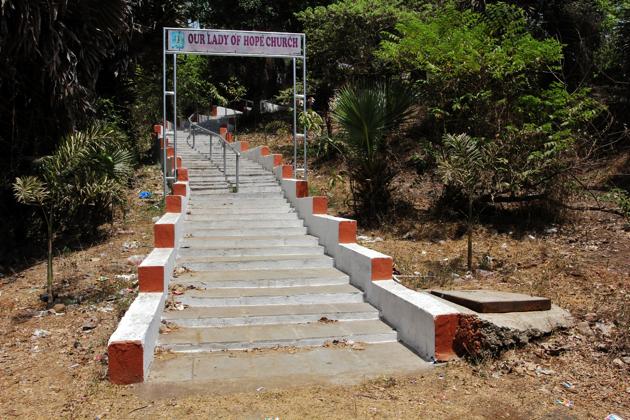
Atop the hill is a small church called Our Lady of Hope Church, which is under the purview of St John the Baptist Church in Thane. (PRAFUL GANGURDE/HT PHOTO)
10/13
 View Photos in a new improved layout
Updated on May 19, 2018 3:43 PM
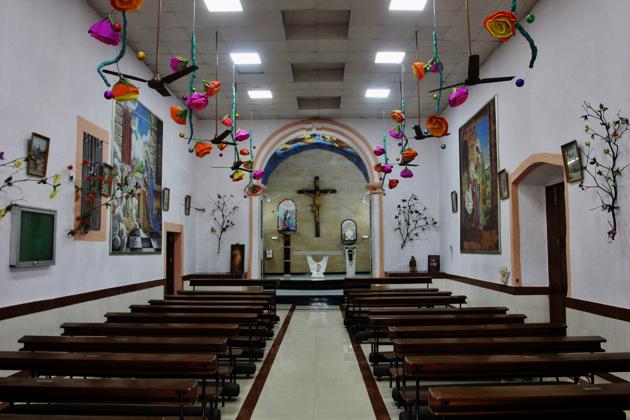
This church is still frequented and conducts a mass every month. (PRAFUL GANGURDE/HT PHOTO)
11/13
 View Photos in a new improved layout
Updated on May 19, 2018 3:43 PM
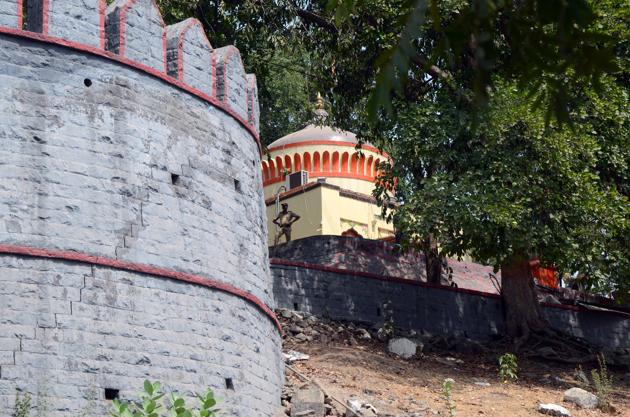
The Durgadi fort, situated in Kalyan, is among the better maintained forts, and is popular with visitors. (RISHIKESH CHOUDHARY/HT PHOTO)
12/13
 View Photos in a new improved layout
Updated on May 19, 2018 3:43 PM
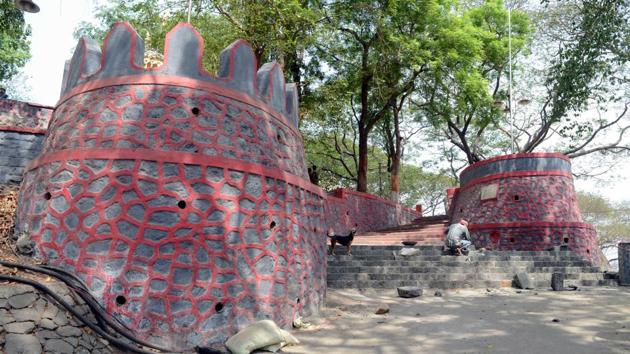
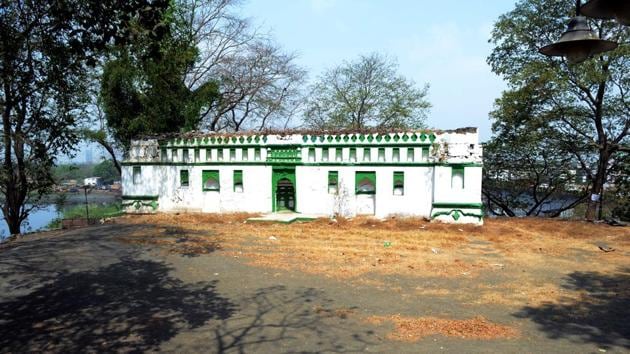
It was constructed during the Maratha era, after Shivaji captured Kalyan and Bhiwandi from Adilshah in 1654. He built the fort close to the creek and used it as a dock to build boats. During British rule, stones from the fort wall were used to build the Kalyan and Thane piers. (RISHIKESH CHOUDHARY/HT PHOTO)
13/13
 View Photos in a new improved layout
Updated on May 19, 2018 3:43 PM


