
 E-Paper



Are these festoons? No, these are air-dried paprika
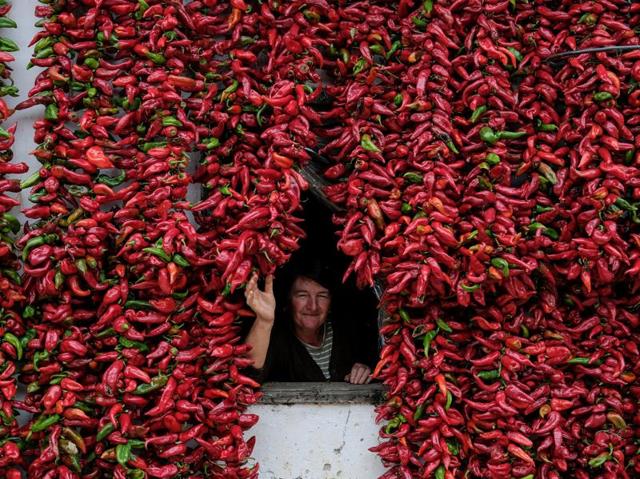
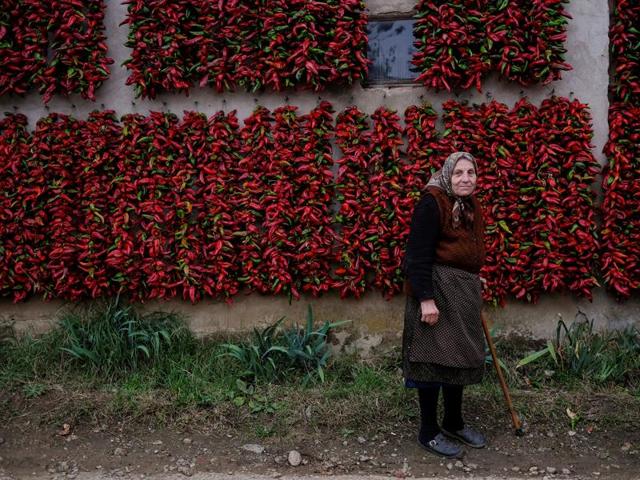
A woman poses for a picture as bunches of paprika hang on the walls of her house to dry in the village of Donja Lakosnica, Serbia, October 6, 2016. (REUTERS)
Updated on: Oct 08, 2016 6:10 PM IST

Share via


Copy link

1/9
 View Photos in a new improved layout
Published on Oct 08, 2016 6:10 PM
A woman poses for a picture as bunches of paprika hang on the walls of her house to dry in the village of Donja Lakosnica, Serbia, October 6, 2016. (REUTERS)
2/9
 View Photos in a new improved layout
Published on Oct 08, 2016 6:10 PM
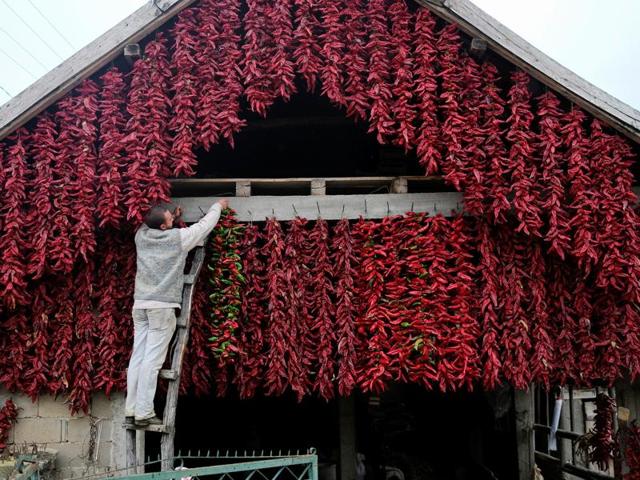
Often associated with Hungarian and Serbian cuisines, paprika, originally belongs to Central Mexico. A man hangs a bunch of paprika on the wall of his house in Donja Lakosnica. (REUTERS)
3/9
 View Photos in a new improved layout
Published on Oct 08, 2016 6:10 PM
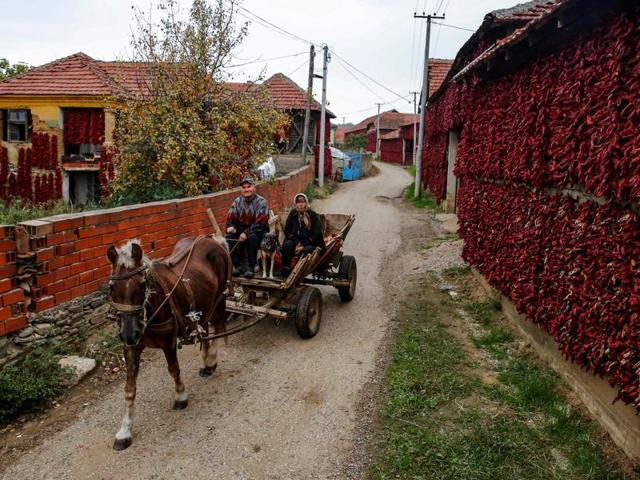
It was brought to Spain in the 16th century. People ride a carriage pulled by a horse as bunches of paprika hang on the walls of houses in Donja Lakosnica. (REUTERS)
4/9
 View Photos in a new improved layout
Published on Oct 08, 2016 6:10 PM
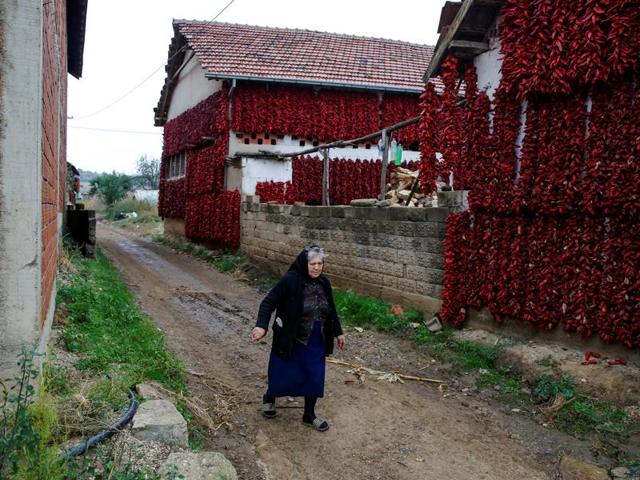
From there, it moved across Iberia to Africa and Asia before reaching Central Europe with the Ottomons. A woman walks along a road as bunches of paprika hang on the walls in Donja Lakosnica. (REUTERS)
5/9
 View Photos in a new improved layout
Published on Oct 08, 2016 6:10 PM
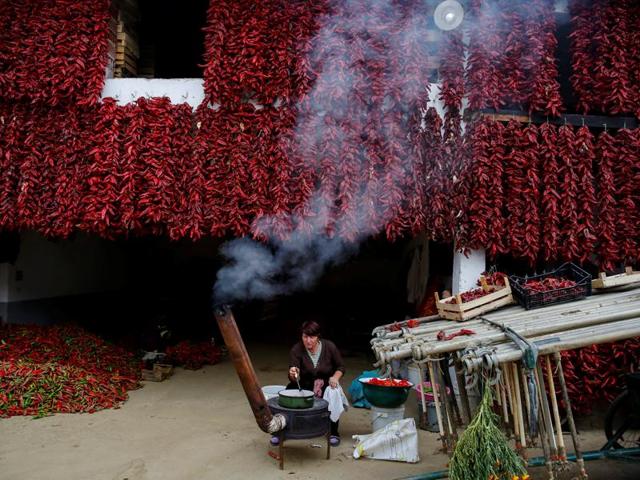
Paprika is a spice made from air-dried fruits of the chili pepper. A Serbian woman cooks as bunches of paprika hang on the wall of her house. (REUTERS)
6/9
 View Photos in a new improved layout
Published on Oct 08, 2016 6:10 PM
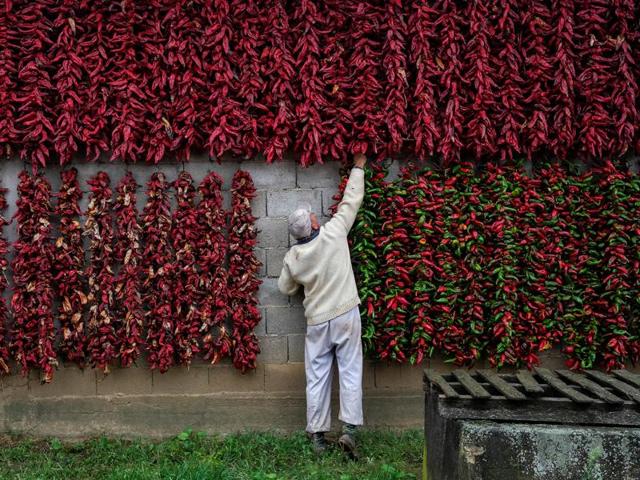
Paprika’s taste ranges from mild to hot, but it is never as hot as chilli. A man puts a bunch of paprika on the wall of his house to dry. (REUTERS)
7/9
 View Photos in a new improved layout
Published on Oct 08, 2016 6:10 PM
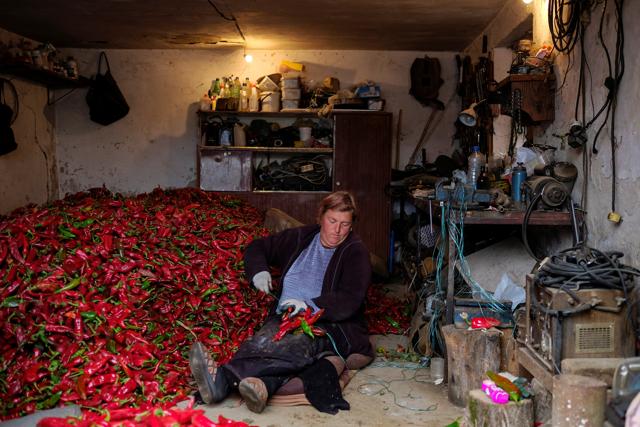
The use of paprika in Hungarian cuisine did not become famous till the 19th century. A Serbian woman prepares bunches of paprika to dry. (REUTERS)
8/9
 View Photos in a new improved layout
Published on Oct 08, 2016 6:10 PM
Paprika is a staple of Serbian food too. Serbs work with corns as bunches of paprika hang on the walls of houses to dry. (REUTERS)
9/9
 View Photos in a new improved layout
Published on Oct 08, 2016 6:10 PM


