
 E-Paper



By the banks of river Thames in London
Photographer Stephen Wermuth spent months strolling around the banks of river Thames in London; photographing the mundane and enigmatic and at the same time tracing the rivers journey into decay and abandonment.
Updated on: May 19, 2017 3:54 PM IST

Share via


Copy link

1/9
 View Photos in a new improved layout
Updated on May 19, 2017 3:54 PM
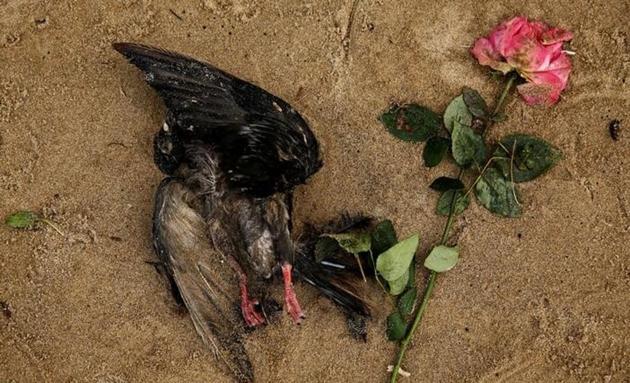
A dead bird lies next to a rose on the bank of the River Thames in London during low tide. Photographer Stefan Wermuth spent months photographing the river and the abandoned objects collected on the shore. During the heights of British Empire, it was a major trading route with factories set up on its banks but lost its prominence when the empire declined. (Stefan Wermuth/Reuters)
2/9
 View Photos in a new improved layout
Updated on May 19, 2017 3:54 PM
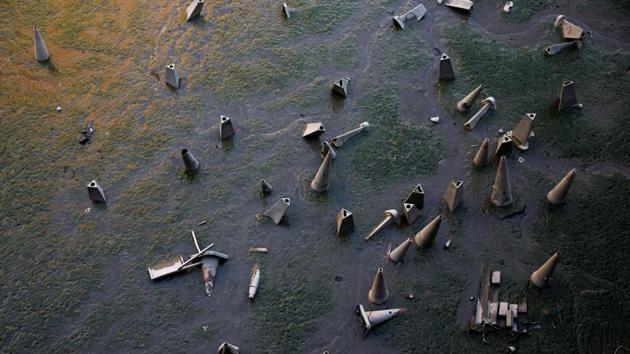
Discarded traffic cones part of waste lying on the banks of the River Thames during low tide. His photographs are both mundane and yet enigmatic. (Stefan Wermuth/Reuters)
3/9
 View Photos in a new improved layout
Updated on May 19, 2017 3:54 PM
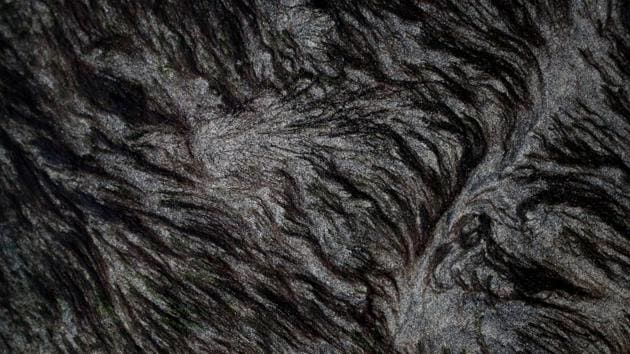
A closeup of seaweed trapped in the river Thames. (Stefan Wermuth/Reuters)
4/9
 View Photos in a new improved layout
Updated on May 19, 2017 3:54 PM
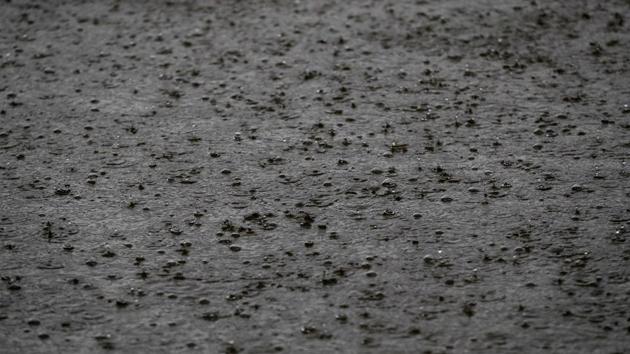
A close up photograph of raindrops falling on the surface of the River Thames in London. (Stefan Wermuth/Reuters)
5/9
 View Photos in a new improved layout
Updated on May 19, 2017 3:54 PM
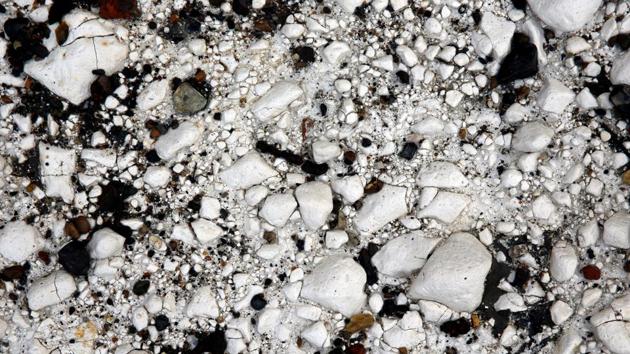
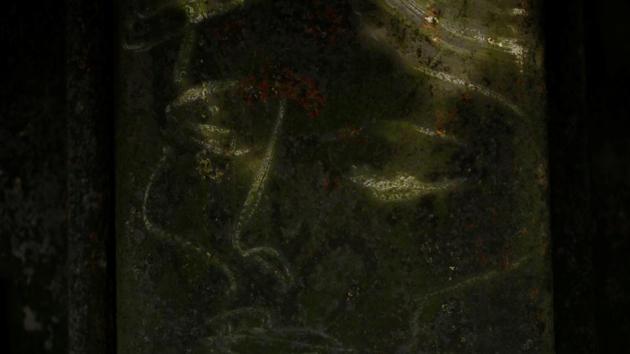
His photographs make for underlying themes of timelessness, of decay, ageing and abandonment. (Stefan Wermuth/Reuters)
6/9
 View Photos in a new improved layout
Updated on May 19, 2017 3:54 PM
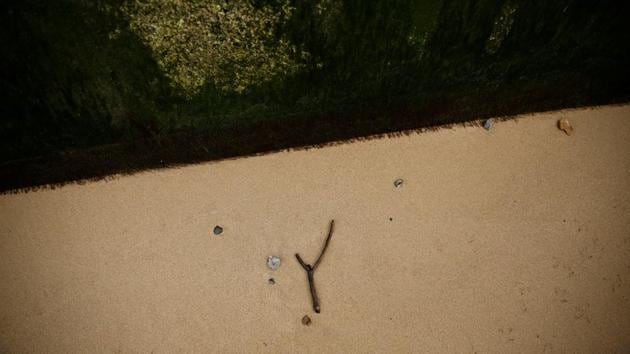
An artistic compostion found by the photographer on the banks of the River Thames. (Stefan Wermuth/Reuters)
7/9
 View Photos in a new improved layout
Updated on May 19, 2017 3:54 PM
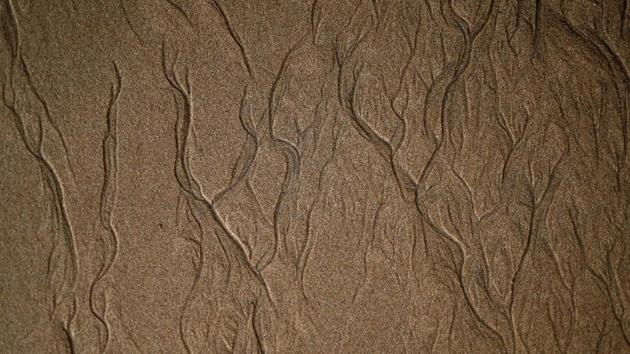
Starting as a small trickle in the Cotswolds, the river Thames travels over 210 miles through the heart of some of England’s most picturesque towns out into the North Sea. (Stefan Wermuth/Reuters)
8/9
 View Photos in a new improved layout
Updated on May 19, 2017 3:54 PM
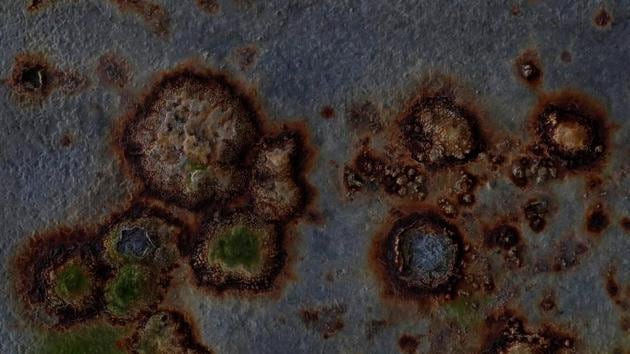
In the past, commercial activities on the river Thames included fishing, chopping willows which provided for wood and operation of watermills. These activities have now disappeared. (Stefan Wermuth/Reuters)
9/9
 View Photos in a new improved layout
Updated on May 19, 2017 3:54 PM


