
 E-Paper



Photos | A journey to Antarctica: seals, penguins and glacial beauty
Reuters photographer Alexandre Meneghini captures the beauty of Antarctica during a Greenpeace led journey to raise awareness of, and support for, a European Union proposal to create the biggest protected area on Earth in Antarctica and a safe haven for marine life there from industrial fishing.
Updated on: Mar 22, 2018 9:17 AM IST

Share via


Copy link

1/11
 View Photos in a new improved layout
Updated on Mar 22, 2018 9:17 AM
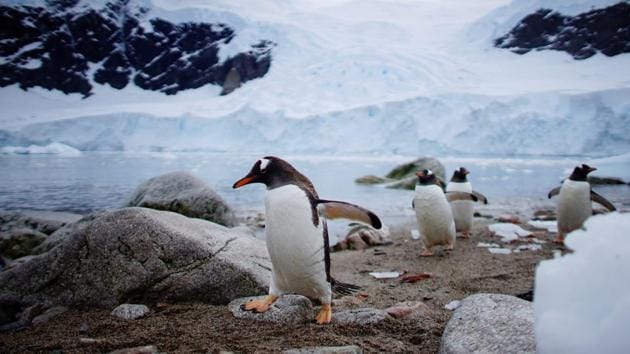
Penguins come ashore in Neko Harbour, Antarctica. Journeying aboard the icebreaker Arctic Sunrise, a Greenpeace ship that began its course off Puntas Arenas in Chile, Reuters photographer Alexandre Meneghini documented the Antarctic peninsula on a Greenpeace mission to raise awareness of, and support for, a European Union proposal to create the biggest protected area on Earth in Antarctica. (Alexandre Meneghini / REUTERS)
2/11
 View Photos in a new improved layout
Updated on Mar 22, 2018 9:17 AM
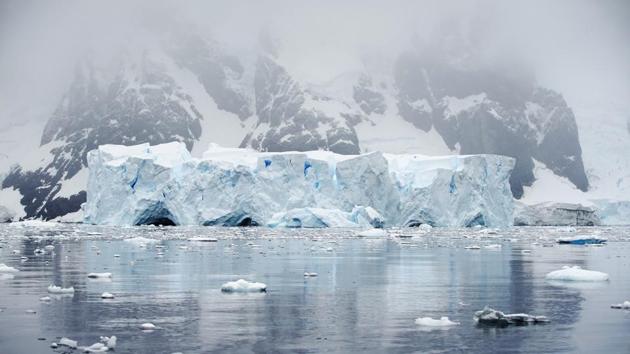
An iceberg floats in Andvord Bay, Antarctica. The strategy involved documenting the effects of climate change, pollution and fishing on native wildlife. Pictures and video footage, specimen samples from the Antarctic seafloor, and surface water sampling for microplastics were all collected by Greenpeace to help build the case for the sanctuary. (Alexandre Meneghini / REUTERS)
3/11
 View Photos in a new improved layout
Updated on Mar 22, 2018 9:17 AM
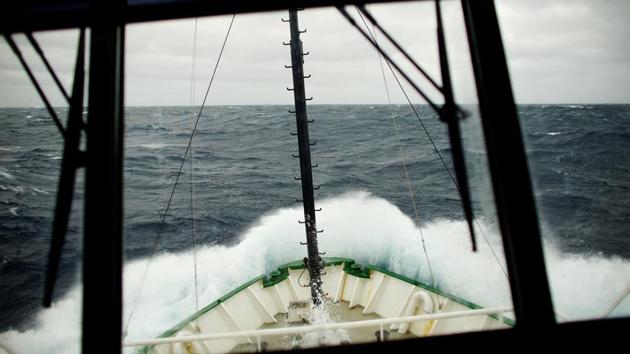
Waves break on the Arctic Sunrise at the Drake Passage as it navigates towards Antarctica. Meneghini describes leaving Chile and entering the open sea towards Antarctica with a sense of freedom. Crossing the Drake Passage however, the point where the Atlantic and the Pacific Oceans violently collide, is a rough four days of being in a centrifuge. (Alexandre Meneghini / REUTERS)
4/11
 View Photos in a new improved layout
Updated on Mar 22, 2018 9:17 AM
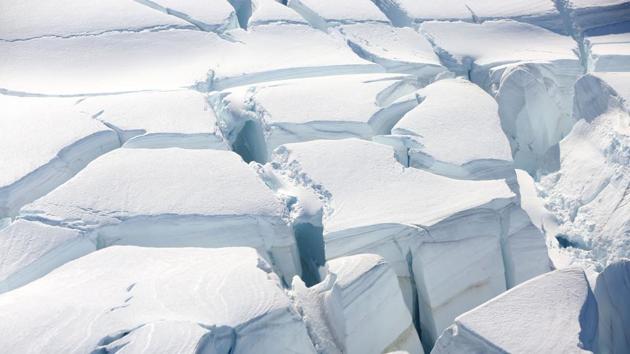
The proposed Weddell Sea Marine Protected Area would cover some 1.8 million sq km of natural habitat for whales, seals, penguins and many kinds of fish. It will be considered by the Antarctic governance body, the Convention for the Conservation of Antarctic Marine Living Resources, at its October 2018 meet in Australia. (Alexandre Meneghini / REUTERS)
5/11
 View Photos in a new improved layout
Updated on Mar 22, 2018 9:17 AM
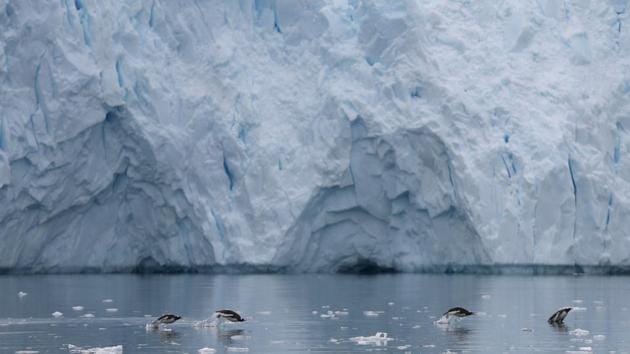
Penguins swim next to a glacier in Neko Harbour. Antarctica itself is currently protected under the Antarctic Treaty, but there is still scope for abuse of waters around Antarctica, and it is already dealing with issues that are happening elsewhere in the world, such as increasing CO2 levels, acidification of the oceans, and plastics. (Alexandre Meneghini / REUTERS)
6/11
 View Photos in a new improved layout
Updated on Mar 22, 2018 9:17 AM
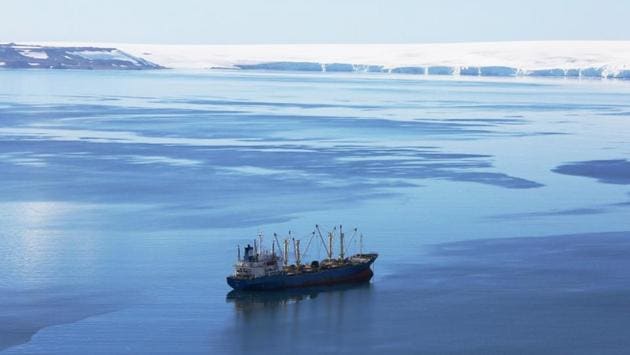
A krill fishing ship of unknown nationality is seen in the waters of Half Moon Bay, Antarctica. According to Greenpeace, a key concern is industrial fishing for krill. The group issued a report this month noting that most Antarctic wildlife, including penguins, whales and seals, depend either directly or indirectly on the small shrimp-like creatures for food. (Alexandre Meneghini / REUTERS)
7/11
 View Photos in a new improved layout
Updated on Mar 22, 2018 9:17 AM
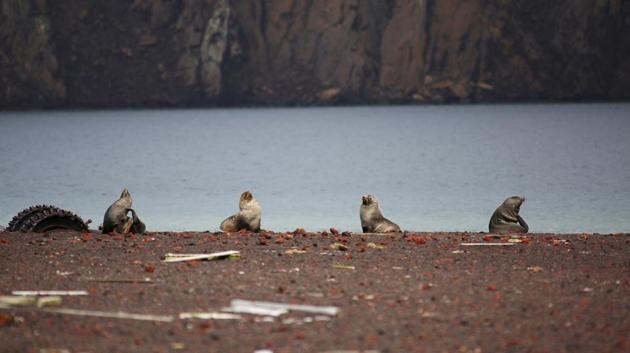
Seals are seen on Deception Island, which is the caldera of an active volcano in Antarctica. Humans use krill in Omega-3 tablets and in pet food. Greenpeace is asking all krill fishing vessels not to fish in any area in the Antarctic being proposed for protection. (Alexandre Meneghini / REUTERS)
8/11
 View Photos in a new improved layout
Updated on Mar 22, 2018 9:17 AM
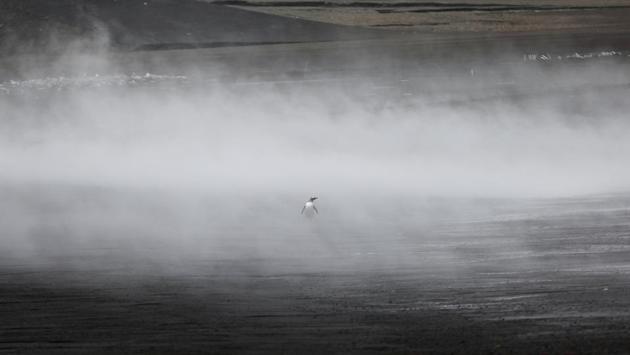
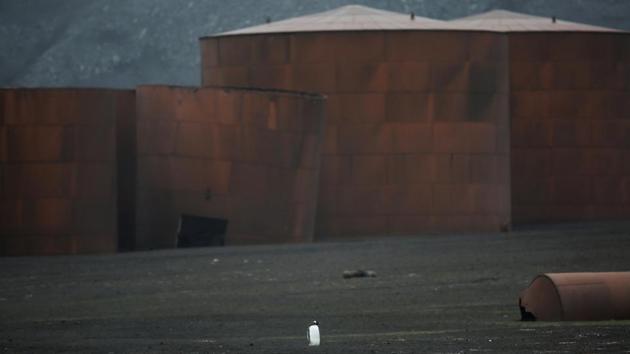
A penguin walks through the geothermal fog on Deception Island in Antarctica. Contrary to what some may think, the Antarctic is full of life. Penguins, seabirds, and different species of seals and whales can be seen at all times. (Alexandre Meneghini / REUTERS)
9/11
 View Photos in a new improved layout
Updated on Mar 22, 2018 9:17 AM
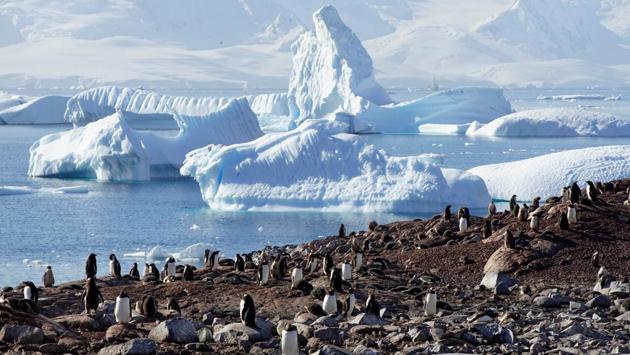
Penguins are seen on Curverville Island, Antarctica. Despite the presence of humans bundled in thick protective suits that can weigh up to 10 kgs among them, penguins do not see humans as predators and can surround visitors for hours if one does not move much. (Alexandre Meneghini / REUTERS)
10/11
 View Photos in a new improved layout
Updated on Mar 22, 2018 9:17 AM
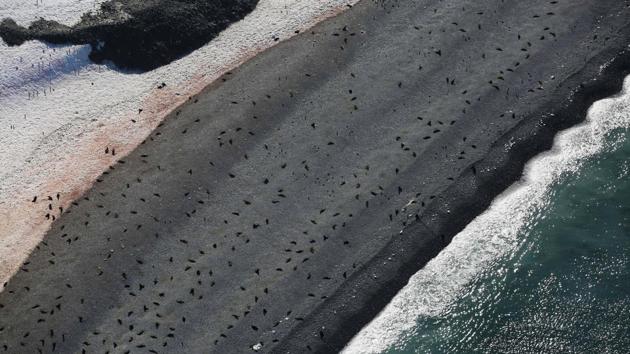
Seals lie on a beach in Half Moon Bay. Taking to the air when the weather allows reveals landscapes that Meneghini says, images do not do justice to unless seen first hand. (Alexandre Meneghini / REUTERS)
11/11
 View Photos in a new improved layout
Updated on Mar 22, 2018 9:17 AM


