
 E-Paper



Photos: Afghan women go online to ensure inclusion in peace talks
Across Afghanistan, women have taken to social media to join a campaign dubbed #MyRedLine that aims to pressure the government, the Taliban and the United States into ensuring women's hard-won advancements are not tossed aside in a rush for a peace accord. Tthe #MyRedLine hashtag had been shared or retweeted thousands of times since the social media campaign was launched last month, with even President Ashraf Ghani tweeting that women's rights were the government's "red line" in the peace process. The campaign is also being shared on Facebook, in English, Pashto and Dari.
Updated on: Apr 22, 2019 12:13 PM IST

Share via


Copy link

1/10
 View Photos in a new improved layout
Updated on Apr 22, 2019 12:13 PM
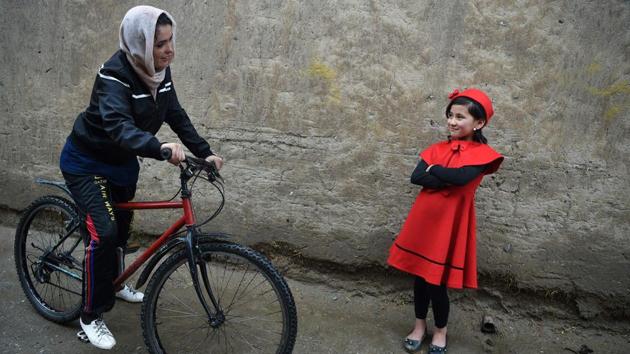
Kobra Samim, who rides for Afghanistan’s national cycling team, wrote on Facebook that women’s participation in sport is her “red line” as the US tries to forge a peace deal with the Taliban. “If the Taliban come back, we won’t have the right to education, sports, and we will even be banned from coming out of houses,” Samim, 23, told AFP before setting off along a run-down Kabul street. (Wakil Kohsar / AFP)
2/10
 View Photos in a new improved layout
Updated on Apr 22, 2019 12:13 PM
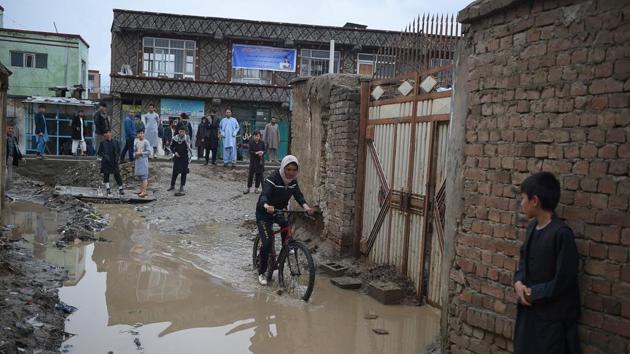
Kobra Samim rides her bicycle through a flooded street in Kabul. Before being toppled by the US invasion of 2001, the Taliban governed Afghanistan for nearly five years with a strict interpretation of sharia law. Women were confined to their homes, forced to wear burqas and forbidden from going to school. Some were publicly stoned to death on flimsy allegations of adultery. (Wakil Kohsar / AFP)
3/10
 View Photos in a new improved layout
Updated on Apr 22, 2019 12:13 PM
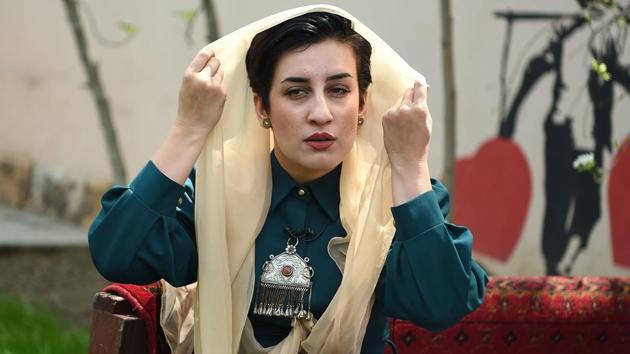
Farahnaz Forotan, a journalist and activist who started the #MyRedLine campaign with support from UN Women Afghanistan, said her own red line was “my pen and my freedom of expression”. “If peace doesn’t bring social justice to all victims of war in every corner of the country, then it won’t be a stable peace,” Forotan told AFP. “Women were more vulnerable than anyone during the Taliban regime,” Forotan said. (Wakil Kohsar / AFP)
4/10
 View Photos in a new improved layout
Updated on Apr 22, 2019 12:13 PM
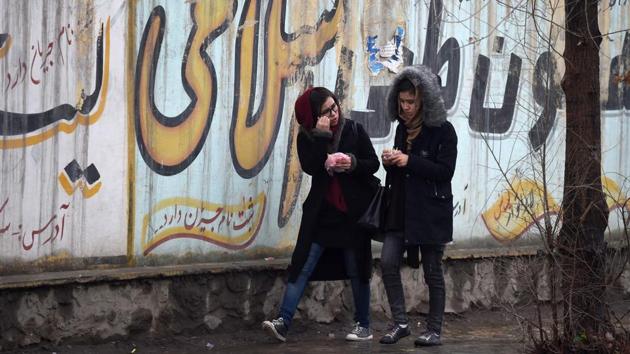
Afghan girls walk next to graffitis on a wall in Kabul. The United States is holding direct talks with Taliban leaders -- all men --- in a bid to forge a peace deal. Two Afghan women were invited to informal talks in Moscow in February between the Taliban and Afghan representatives, but their presence was very peripheral. (Wakil Kohsar / AFP)
5/10
 View Photos in a new improved layout
Updated on Apr 22, 2019 12:13 PM
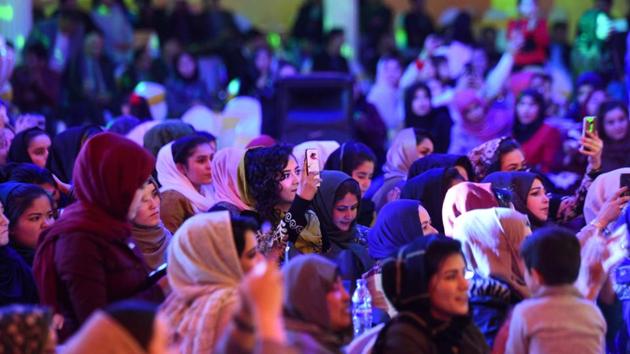
Afghan women watch a performance by Afghan singer Seeta Qasemi during a concert in Mazar-i-Sharif. A second summit between Afghan delegates and the insurgents that was to take place in Doha this weekend and had been set to include more women has been postponed indefinitely. International observers have blasted the talks, led on the US side by peace envoy Zalmay Khalilzad, for their lack of female inclusion. (Farshad Usyan / AFP)
6/10
 View Photos in a new improved layout
Updated on Apr 22, 2019 12:13 PM
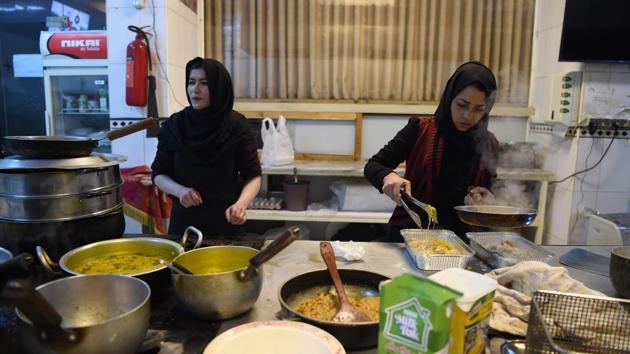
Afghan chefs work in a restaurant kitchen in Kabul. Other social media hashtags such as #afghanwomenwillnotgoback have also gained traction, and Khalilzad appears to have taken note. On a trip to Afghanistan this month, the Afghan-born American envoy met with locals from all walks of life and with women’s groups. (Wakil Kohsar / AFP)
7/10
 View Photos in a new improved layout
Updated on Apr 22, 2019 12:13 PM
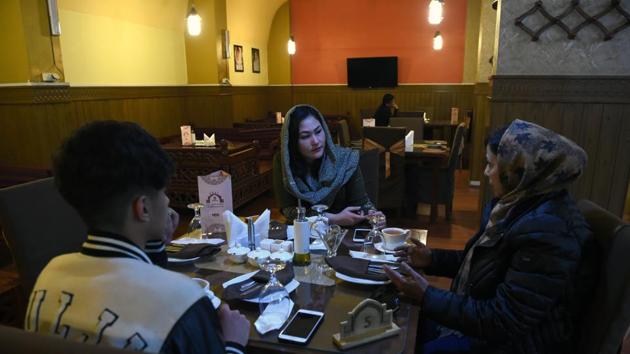
Afghan men and women talk over tea at a restaurant in Kabul. The Taliban, however, appear unmoved. Spokesman Zabihullah Mujahid recently tweeted to deny reports that women were being included in the Taliban negotiating team and “neither do we believe it is necessary”. (Wakil Kohsar / AFP)
8/10
 View Photos in a new improved layout
Updated on Apr 22, 2019 12:13 PM
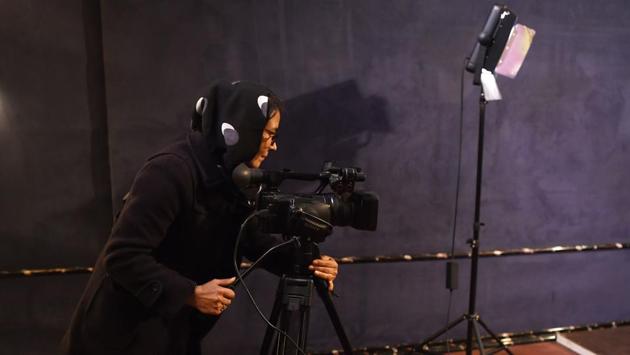
An Afghan camerawoman films a programme for the Zan TV (Women’s TV) station in Kabul. Heather Barr, the acting co-director of the Women’s Rights Division at Human Rights Watch, said the online campaign was encouraging. “They’re up against tough odds at the moment, but their efforts are a sign that Afghan society is changing in fundamental ways, regardless of the outcome of these talks.” (Wakil Kohsar / AFP)
9/10
 View Photos in a new improved layout
Updated on Apr 22, 2019 12:13 PM
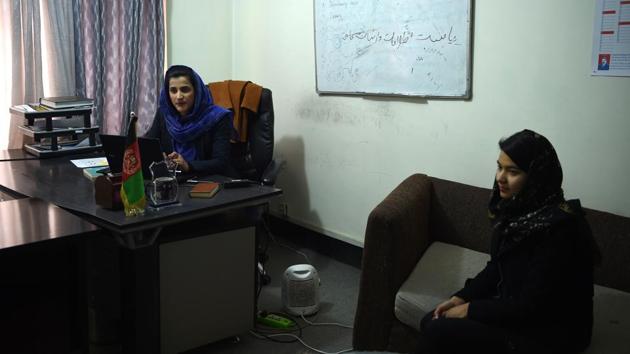
Afghan reporters take part in an editorial meeting at Zan TV. Senator Jeanne Shaheen, who sits on the Senate Armed Services Committee that oversees the US military, said such a move is key. “Women’s interests, as well as the interests of a broad segment of Afghan society need to be included as part of any negotiation,” Shaheen told a group of journalists on a visit to Kabul this week. (Wakil Kohsar / AFP)
10/10
 View Photos in a new improved layout
Updated on Apr 22, 2019 12:13 PM


