
 E-Paper



Photos: America’s grand buildings constructed by slaves
The landmark buildings in the US were constructed by slaves who were brought from Africa. Four hundred years ago, the boat carrying what is believed to have been the first 20 enslaved Africans arrived in the British colony of Virginia, an anniversary that has prompted a reckoning of race-based chattel slavery in the United States of America. Throughout the United States, the physical legacy of slavery can still be seen in the US Capitol.
Updated on: Sep 02, 2019 12:13 PM IST

Share via


Copy link

1/9
 View Photos in a new improved layout
Updated on Sep 02, 2019 12:13 PM
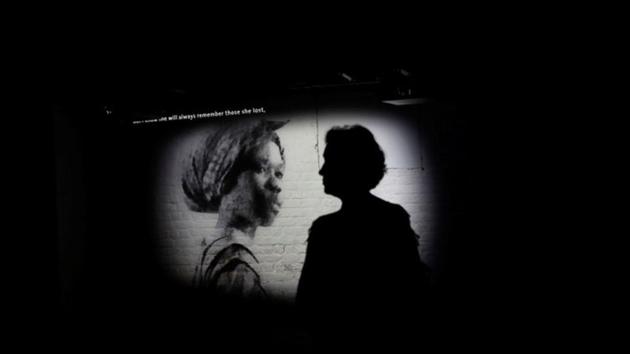
A visitor watches a video presentation at James Madison’s Montpelier in Orange County, Virginia, US. Built in 1764 using enslaved labour, the mansion belonged to the family of James Madison, the 4th President of US. 400 years ago, the boat carrying what is believed to have been the first 20 enslaved Africans arrived in the British colony of Virginia, an anniversary that has prompted a reckoning of race-based chattel slavery in the US. (Carlos Barria / REUTERS)
2/9
 View Photos in a new improved layout
Updated on Sep 02, 2019 12:13 PM
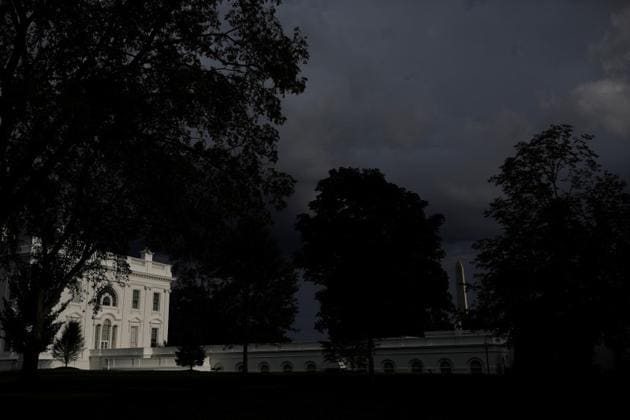
The White House is seen in Washington, US. Construction of the President’s House began in 1792 which involved enslaved labour. In 2008, First lady Michelle Obama, a descendant of slaves, was the first African American First Lady to live in the property. Throughout the United States, the physical legacy of slavery can still be seen in the US capital, the White House, the residences of former presidents including George Washington’s Mount Vernon and universities built using the labour of slaves. (Carlos Barria / REUTERS)
3/9
 View Photos in a new improved layout
Updated on Sep 02, 2019 12:13 PM
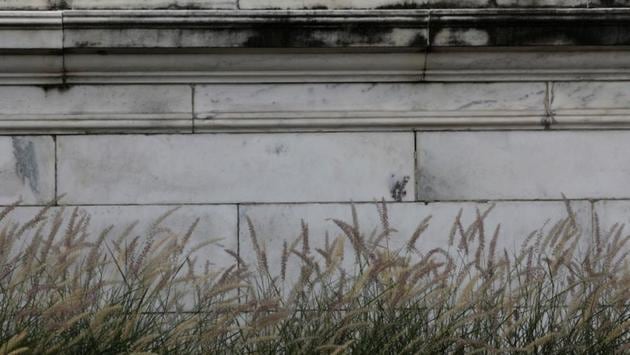
Wild grass is seen at the US Capitol in Washington. Enslaved people levelled the hill on which the house sits, dug clay for brick-making, quarried limestone for mortar and plaster, and chopped trees that became lumber for framing and woodwork. (Carlos Barria / REUTERS)
4/9
 View Photos in a new improved layout
Updated on Sep 02, 2019 12:13 PM
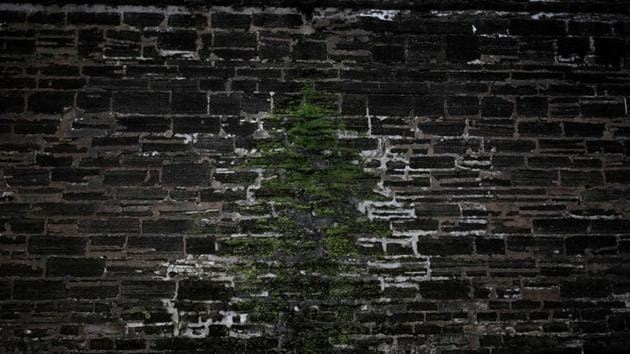
Plants grow on a wall of Castillo de San Marcos masonry fort in St. Augustine, Florida. The construction of the masonry fort began in the early 1670s. Local Native Americans, convicts, African American slaves, as well as skilled workers from Cuba worked on the construction of the fort. (Carlos Barria / REUTERS)
5/9
 View Photos in a new improved layout
Updated on Sep 02, 2019 12:13 PM
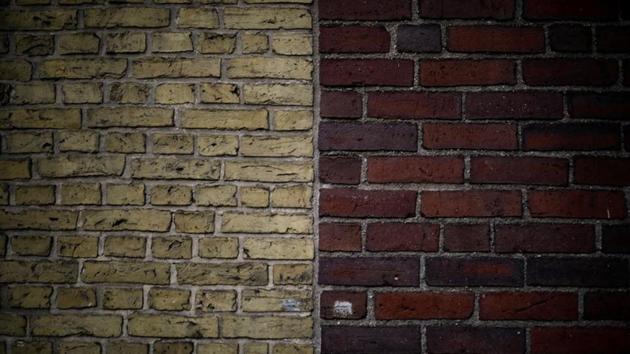
A brick wall, part of the original Fraunces Tavern, is seen in the Financial District of Lower Manhattan in New York. Built by the De Lancey family in 1719 using enslaved labour, the property has been a private residence, hotel, and one of the most important taverns of the Revolutionary War. (Carlos Barria / REUTERS)
6/9
 View Photos in a new improved layout
Updated on Sep 02, 2019 12:13 PM
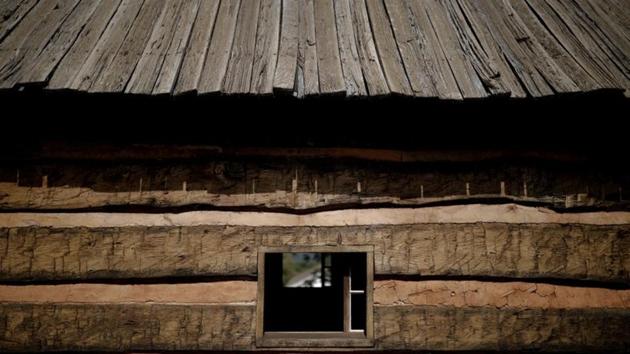
A replica of a house of enslaved people is seen at Monticello estate, home of Thomas Jefferson. The slaves also assisted white craftsmen hired for the building’s construction, with some becoming highly skilled workers in their own right - like John Hemmings, half-brother of Sally Hemings, a woman enslaved by Jefferson who had at least six children with him. (Carlos Barria / REUTERS)
7/9
 View Photos in a new improved layout
Updated on Sep 02, 2019 12:13 PM
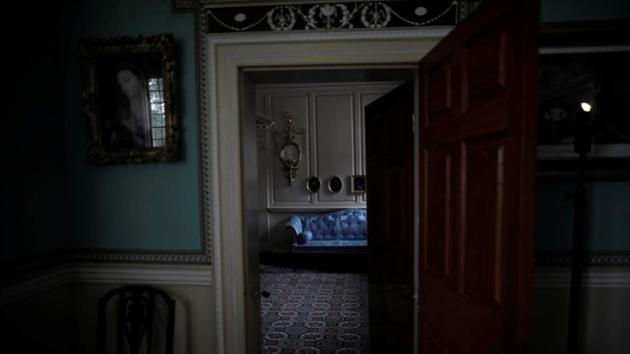
A room is seen at Mount Vernon estate, home of George Washington, the first President of the United States, in Fairfax County, Virginia. Built using enslaved labour by George Washington’s father, Augustine Washington in 1734, the house was inherited by George years later and expanded to almost 11,000 square feet with two and a half stories and a full cellar. (Carlos Barria / REUTERS)
8/9
 View Photos in a new improved layout
Updated on Sep 02, 2019 12:13 PM
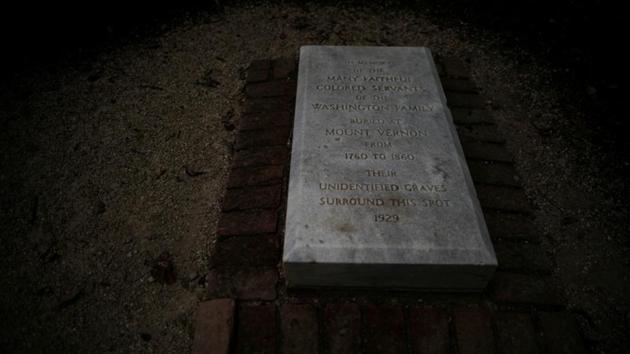
A plaque reads, “In memory of the many faithful coloured servants of the Washington Family buried at Mount Vernon from 1760 to 1860. Their unidentified graves surround this spot, 1929.” is seen at Mount Vernon estate, home of George Washington, the first President of the United States. (Carlos Barria / REUTERS)
9/9
 View Photos in a new improved layout
Updated on Sep 02, 2019 12:13 PM


