
 E-Paper



Photos: Apian enterprise heals wounds of war for Colombian village
Life returns to the dusty and hot town of Chengue in Colombia, 18 years after ultra-right squads paramilitaries stormed the village in the dead of night and, armed with machetes and stones, killed 27 peasants who said they had collaborated with leftist guerrillas. The attack 18 years ago was one of the conflict's worst atrocities. More than a hundred families fled in the wake of the atrocity, leaving behind a ghost village –in part due to the lure of bees.
Updated on: Sep 27, 2019 4:08 PM IST

Share via


Copy link

1/11
 View Photos in a new improved layout
Updated on Sep 27, 2019 4:08 PM
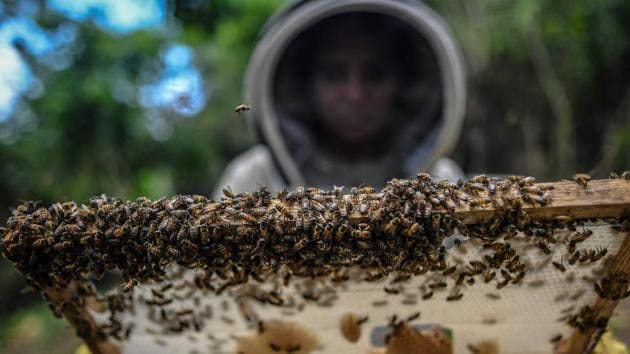
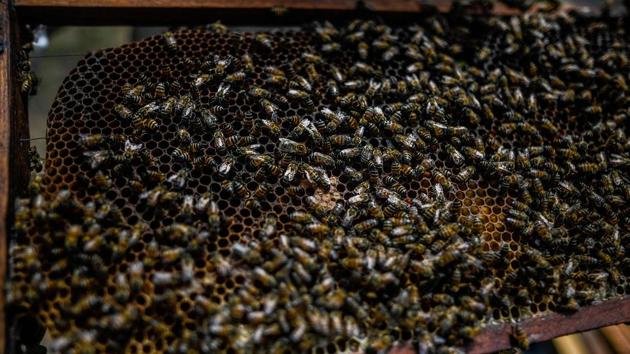
Covered from head to toe in a protective suit, Yina Ortiz peers through a veil to check in on her beehive. It is one of hundreds that form a lifeline for her remote village, helping to heal the wounds of one of the Colombian conflict’s most brutal atrocities. Rightwing paramilitaries stormed the village 18 years ago and hacked 27 people to death, accusing them of collaborating with leftist guerrillas. (Juan Barreto / AFP)
2/11
 View Photos in a new improved layout
Updated on Sep 27, 2019 4:08 PM
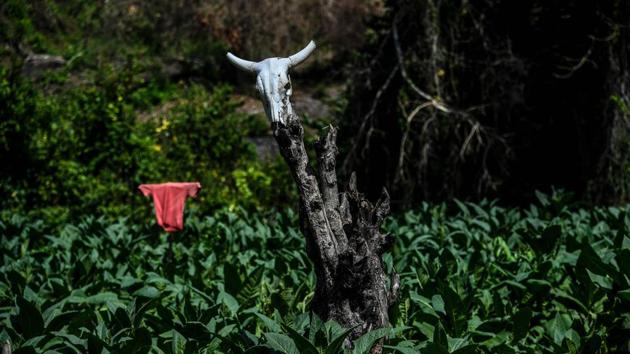
Ortiz, a young girl then, survived the attack on her village of Chengue in the northern Montes de Maria region. But she lost several members of her family as well as close friends. Now 33, her memories are still clear, “It wasn’t just the streams of blood, it was awful to see so many dead bodies, one of top of the other, there on the ground, and their loved ones picking them up,” Ortiz told AFP. (Juan Barreto / AFP)
3/11
 View Photos in a new improved layout
Updated on Sep 27, 2019 4:08 PM
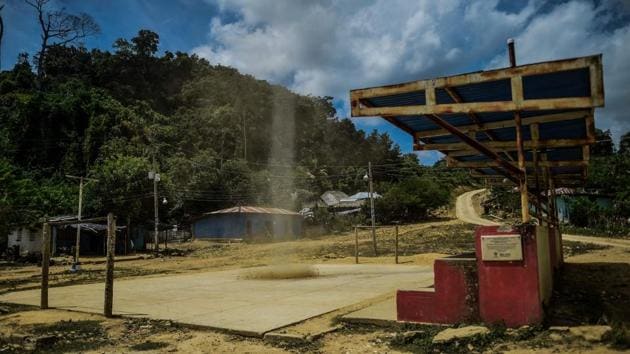
More than a hundred families fled in the wake of the atrocity, leaving behind a ghost village. But nearly two decades later, life has slowly returned. A program initiated by Ortiz and a group of industrious local women helped bring apiculture to Chengue and it hasn’t looked back. “Thanks to beekeeping, people have united, returned, they enjoy taking care of the bees,” she said. (Juan Barreto / AFP)
4/11
 View Photos in a new improved layout
Updated on Sep 27, 2019 4:08 PM
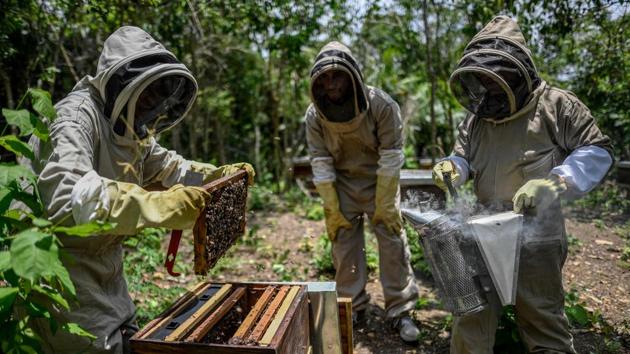
For the past year, the 159 families of Chengue alternate between agricultural work and caring for the 500 hives donated by the government and the United Nations, as part of a collective program for survivors of armed conflict. “We used to be all over the place… but we need to heal wounds and now, thanks to the beekeeping, people have come back, they like to be with the bees, to study the life of the bees.” (Juan Barreto / AFP)
5/11
 View Photos in a new improved layout
Updated on Sep 27, 2019 4:08 PM
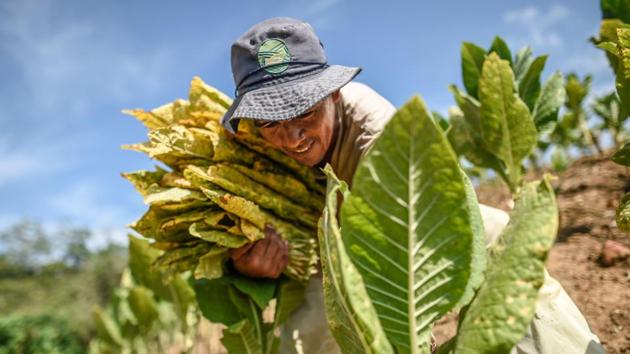
A man collects tobacco leaves at the community of Chengue. For Ortiz, apiculture is a way of “trying to heal the wounds” left over from the war, but it also represents a hope of survival for farmers whose mixed crops of tobacco, yam and cassava are gradually drying up because of global warming. (Juan Barreto / AFP)
6/11
 View Photos in a new improved layout
Updated on Sep 27, 2019 4:08 PM
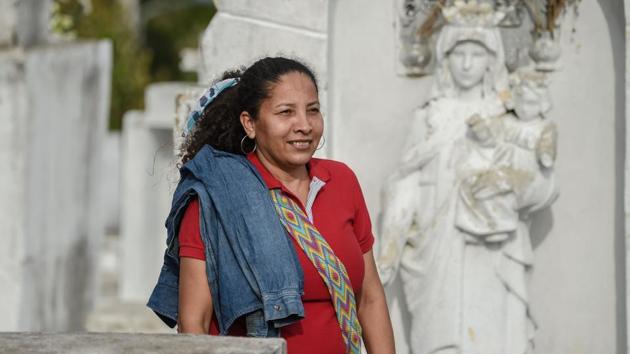
Julia Merino, a 49-year old school teacher who manages the project, expects the first harvest at the end of the year to yield 13 tons of honey. For Merino it will be a sweet victory, a balm to salve the memories of the 2001 attack. She is known here as “the last widow of Chengue” because she was the only one who returned to the village where she lost her husband. (Juan Barreto / AFP)
7/11
 View Photos in a new improved layout
Updated on Sep 27, 2019 4:08 PM
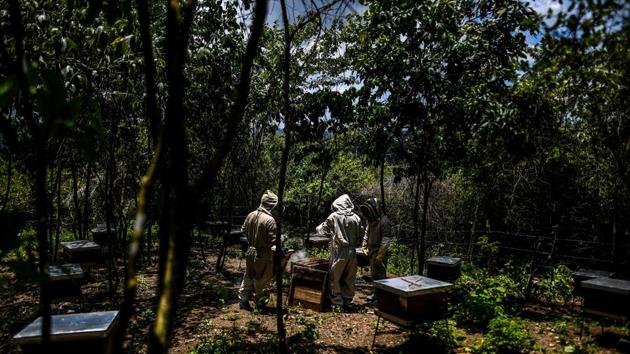
Workshops allowed Merino to “turn these sources of pain” into “spaces of goodness, to heal wounds and recover the social fabric that had fragmented,” she said. Merino says she shared her experience with other women, mounting the honey venture to spark “economic change” in the village. (Juan Barreto / AFP)
8/11
 View Photos in a new improved layout
Updated on Sep 27, 2019 4:08 PM
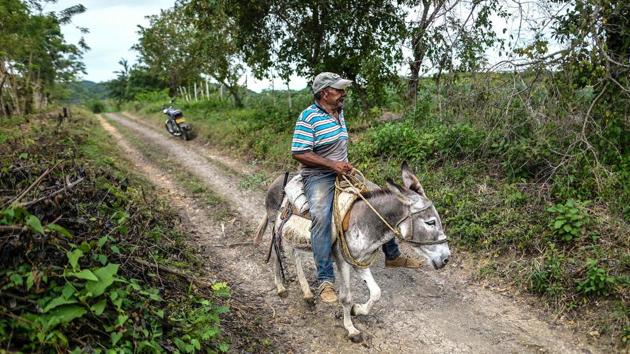
A farmers rides a donkey at the community. Chengue has suffered more than most rural villages from Colombia’s brutal conflict, and remains far from the reach of state institutions. Roads here are little more than sandy tracks. There is no running water, no gas, and regular periods of drought are striking with greater intensity. (Juan Barreto / AFP)
9/11
 View Photos in a new improved layout
Updated on Sep 27, 2019 4:08 PM
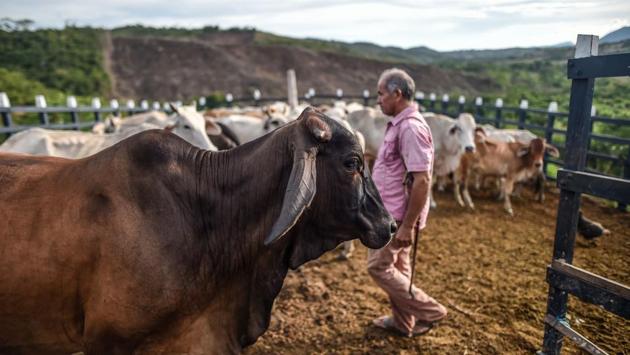
A man walks next to cows. Guillermo Marquez, 62, worries about the future amid his tobacco plants, once the economic engine of the region. Farmers here have seen their earnings plummet since tobacco giant Philip Morris announced in June that it was closing its factories in Colombia, citing tax increases and smuggling. (Juan Barreto / AFP)
10/11
 View Photos in a new improved layout
Updated on Sep 27, 2019 4:08 PM
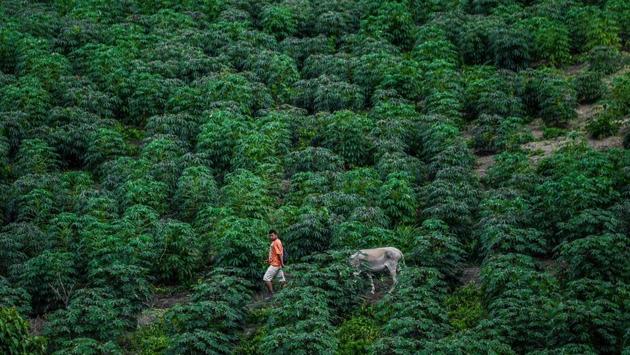
A man leads a cow trough a plantation. “We are abandoned by both business and nature,” said Marquez, adding that he now regrets having burned trees to plant corn as the land dries up. After 50 years of tobacco growing, he is reluctant to venture into apiculture. (Juan Barreto / AFP)
11/11
 View Photos in a new improved layout
Updated on Sep 27, 2019 4:08 PM


