
 E-Paper



Photos: As Bauhaus marks 100 years, Tel Aviv’s White City stands tall
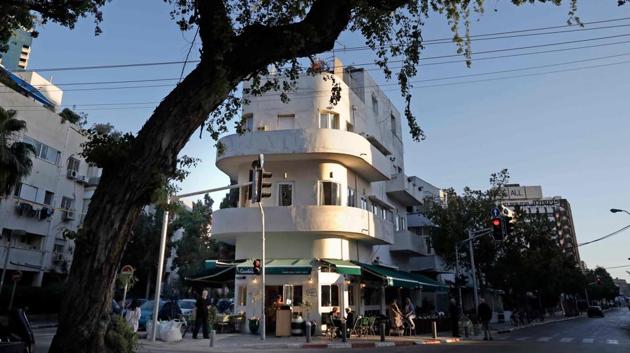
Tel Aviv is a leading repository of the Bauhaus style of architecture that celebrates its 100th year in 2019. Practitioners of the minimalist architectural movement, founded in Germany a century ago, were among European Jews who fled to British-ruled Palestine when the Nazis took power. Most of these 1930s buildings are in private hands and restoring them depends on the goodwill of their owners, who get no public funding for the projects.
Updated on: Jul 19, 2019 12:54 PM IST

Share via


Copy link

1/7
 View Photos in a new improved layout
Updated on Jul 19, 2019 12:54 PM
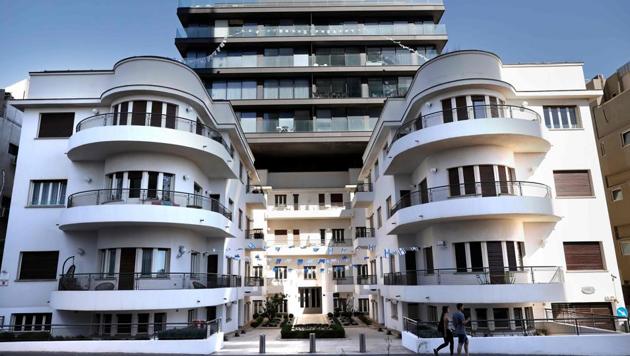
The Reisfeld House, built in 1935 by architect Pinchas Bijonsky. The house was built according to the international style Bauhaus which was very widespread in Tel Aviv at that time. Today, Tel Aviv is a leading repository of the modernist style that celebrates its 100th year in 2019. Bauhaus and its variations are prominent among the 4,000 buildings which make up what is known as Tel Aviv’s White City, a UNESCO World Heritage site. (Thomas Coex / AFP)
2/7
 View Photos in a new improved layout
Updated on Jul 19, 2019 12:54 PM
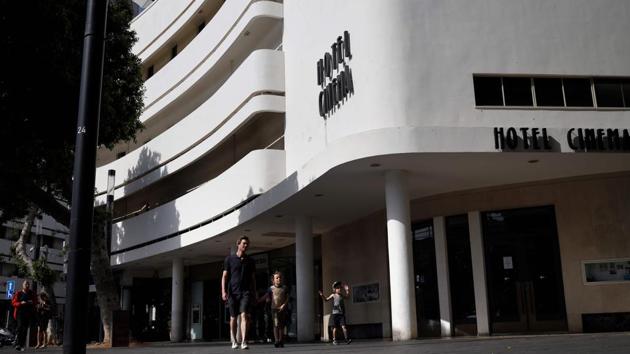
The Hotel Cinema on Dizengoff Square, a building built in 1936 by architect Yehuda Magidovitch. The square is a city landmark dominated by prominent Bauhaus buildings. The Bauhaus design school was founded in Weimar, Germany, by Walter Gropius in April 1919, exactly a decade after Tel Aviv was born as a small seaside village on sand dunes near the ancient Mediterranean port of Jaffa. (Thomas Coex / AFP)
3/7
 View Photos in a new improved layout
Updated on Jul 19, 2019 12:54 PM
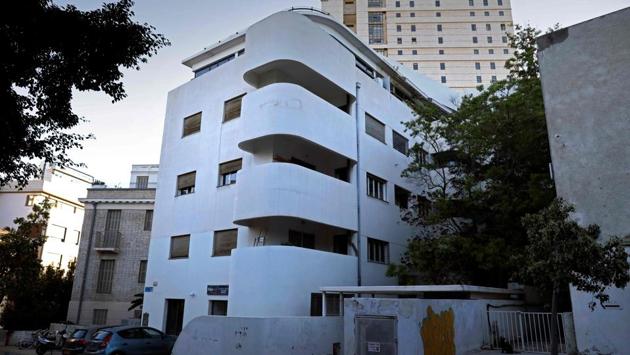
Bruno House, a building built in 1935 by architect Zeev Haller. Practitioners of the minimalist architectural movement were among European Jews who fled to British-ruled Palestine when the Nazis took power. Driven out by the Nazis in 1933, Bauhaus is part of the modernist movement that had emerged in the 1920s. (Thomas Coex / AFP)
4/7
 View Photos in a new improved layout
Updated on Jul 19, 2019 12:54 PM
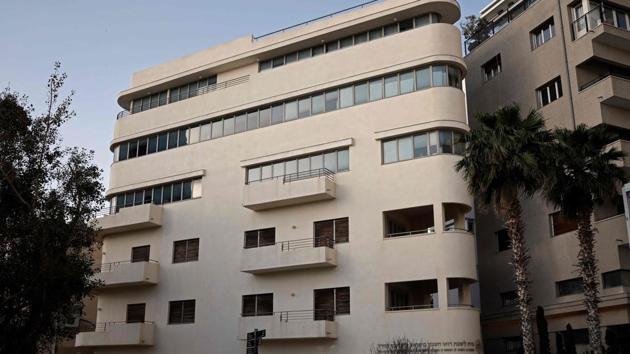
The Montefiore House, a building built in 1920’s by architect Isaac Schwarz. Unlike their predecessors who built for the German climate, the architects who settled in Tel Aviv had to adapt their work to the local climate. They used less glass to minimise heat and incorporated balconies to catch the sea breezes. (Thomas Coex / AFP)
5/7
 View Photos in a new improved layout
Updated on Jul 19, 2019 12:54 PM
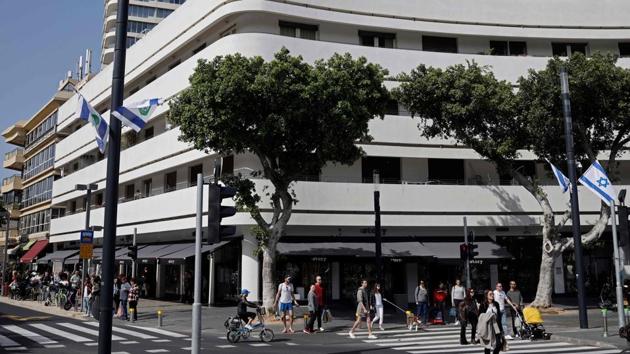
The 94-96 Dizengoff Street building, built in 1936 by architect Yehuda Magidovitch. Co-founder of the Bauhaus Centre Micha Gross claimed that no other city in the world has a larger collection of Bauhaus buildings than Tel Aviv. “Maintaining and restoring these buildings is complex,” says Gross, who explains that it takes between eight to 10 years to renovate a building. (Thomas Coex / AFP)
6/7
 View Photos in a new improved layout
Updated on Jul 19, 2019 12:54 PM
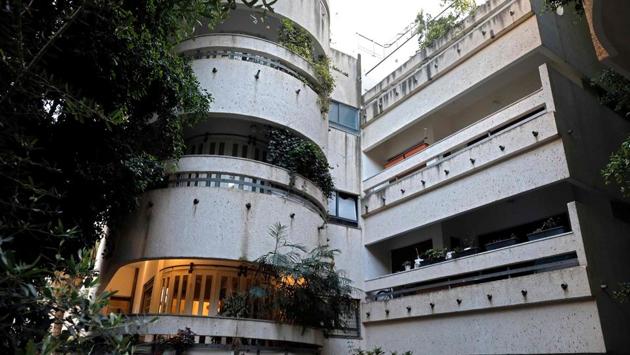
The Rubinsky House, a building built in 1935 by architect Abraham Markusfeld. Architect Sharon Golan Yaron said that while the Bauhaus influence is notable, other architectural styles have shaped Tel Aviv. Iconic Swiss-born modernist Le Corbusier in particular left his mark, she says, adding that rather than using Bauhaus as a blanket term it would be more accurate to describe Tel Aviv’s architectural heritage as “international”. (Thomas Coex / AFP)
7/7
 View Photos in a new improved layout
Updated on Jul 19, 2019 12:54 PM


