
 E-Paper



Photos: Baijiu, China’s potent tipple, finds itself a tough sell abroad
Ranging from around 35 to 55 percent alcohol, baijiu packs a searing, sickly-sweet punch, an intensity that evolved to match the powerfully spicy cuisine of southwestern China, baijiu's heartland. Many foreigners in China relate horror stories of being bombarded by baijiu toasts at banquets. Most Chinese people however cannot imagine major celebrations without it, particularly the Lunar New Year holiday, when excessive toasting leaves revellers staggering toward brutal hangovers.
Updated on: Jun 20, 2019 11:51 AM IST

Share via


Copy link

1/14
 View Photos in a new improved layout
Updated on Jun 20, 2019 11:51 AM
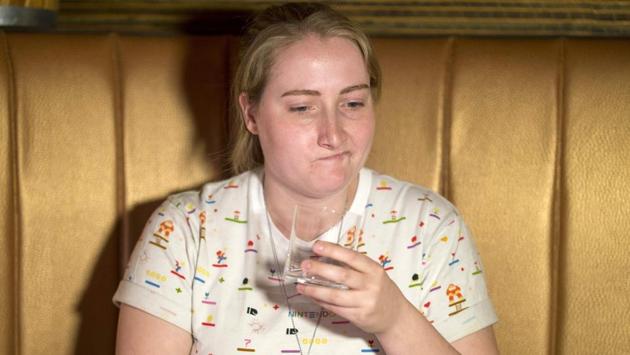
It may be China’s national spirit, but for London bartender Ellie Veale it’s clear from the first swig why baijiu has not caught on overseas. After some initial fruity notes, Veale crinkled her nose as the crystal-clear booze revealed its intense, earthy essence. (Tolga Akmen / AFP)
2/14
 View Photos in a new improved layout
Updated on Jun 20, 2019 11:51 AM
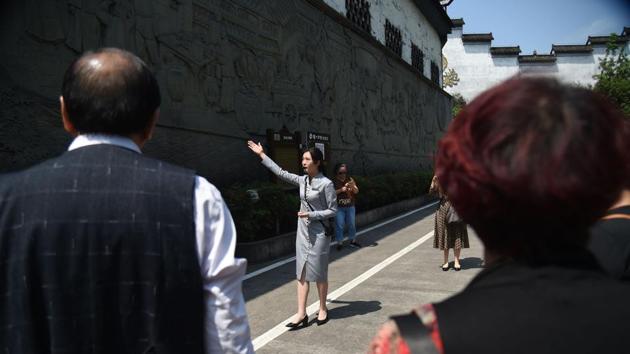
Visitors look on at a guide during a tour of the Luzhou Laojiao distillery where baijiu is produced in Luzhou, China. “I worked on a cattle farm in Australia and this kind of aftertaste reminds me of the smell of ... cow manure, hay, and horses,” she said, in the London bar Demon, Wise & Partners. “It’s not the beverage for me,” Veale conceded. (Hector Retamal / AFP)
3/14
 View Photos in a new improved layout
Updated on Jun 20, 2019 11:51 AM
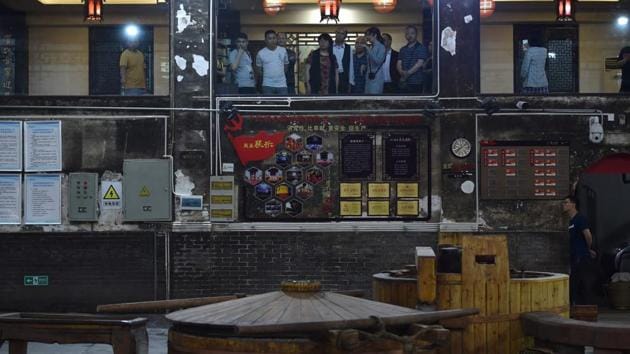
Visitors during a tour of the Luzhou Laojiao distillery. And yet baijiu’s popularity in China has propelled demand -- making it the most consumed spirit in the world, and its major producers the most valuable distilleries globally. “Baijiu belongs to China, but also the world,” said Su Wanghui, information director at Luzhou Laojiao, one of the country’s biggest and oldest brands. (Hector Retamal / AFP)
4/14
 View Photos in a new improved layout
Updated on Jun 20, 2019 11:51 AM
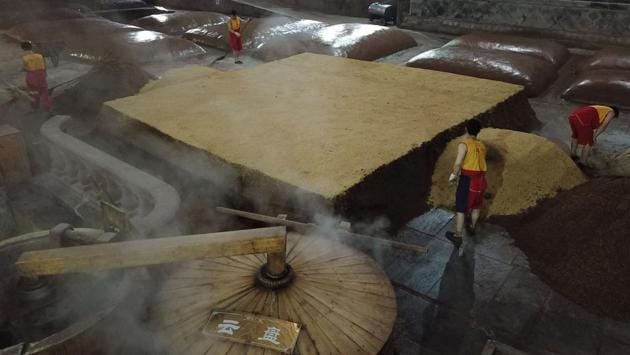
Workers prepare and distill grain. “The foreign view of baijiu is: very spicy, like a rocket blasting to heaven,” Su told AFP. Around 10.8 billion litres of baijiu was consumed last year, nearly all in China, according to International Wine and Spirit Research. That’s more than whisky, vodka, gin, rum and tequila combined and would take an hour to slosh over Niagara Falls according to WorldBaijiuDay.com. (Hector Retamal / AFP)
5/14
 View Photos in a new improved layout
Updated on Jun 20, 2019 11:51 AM
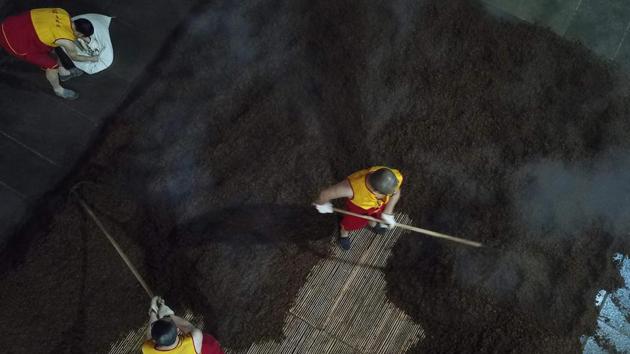
Workers prepare grain on a work floor. Baijiu has been on a roller-coaster in recent years. A government corruption crackdown launched in 2012 hit hard: premium brands had become the go-to gift for bribing Communist officials. Sales fell off a “cliff,” Su said. And many younger Chinese, exposed to French wine and German beer, shun a rotgut they equate with rural regions and drunken businessmen. (Hector Retamal / AFP)
6/14
 View Photos in a new improved layout
Updated on Jun 20, 2019 11:51 AM
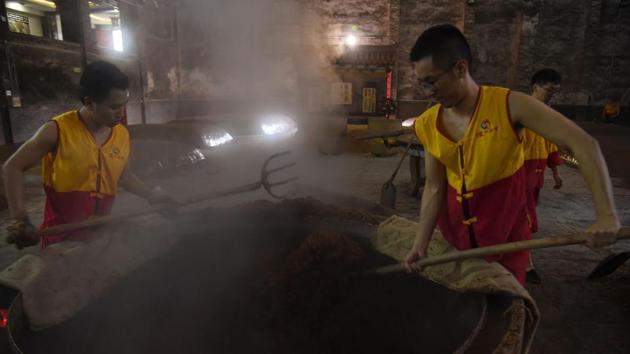
Workers collect the fermented grain. Forced to adapt, manufacturers have found success with milder new varieties and brightly packaged single-serving mixed drinks. Sales have recovered, igniting share prices. In 2017 the market value of Shanghai-listed Kweichow Moutai surged past London-based Diageo, maker of Johnnie Walker whiskey and Smirnoff vodka, to become the world’s most valuable distiller. (Hector Retamal / AFP)
7/14
 View Photos in a new improved layout
Updated on Jun 20, 2019 11:51 AM
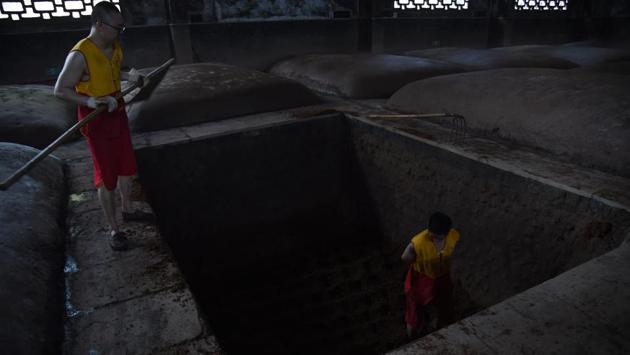
An employee works inside a depression that holds fermenting grain to produce baijiu. Emboldened distilleries are now looking abroad, staging tastings and developing smoother, export-oriented brands, while touting centuries-old artisanal production methods. At Luzhou Laojiao, sorghum is fermented for months in deep microbe-rich earthen pits, some in continuous use since 1573. (Hector Retamal / AFP)
8/14
 View Photos in a new improved layout
Updated on Jun 20, 2019 11:51 AM
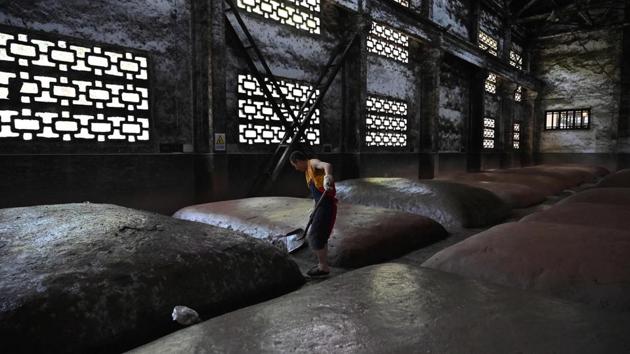
A worker moistens mounds where grain is fermented. Staff, resembling shaolin monks in bright yellow and red outfits and performing all work by hand, distil the fermented mash in steaming-belching wooden pot stills. The end-product is then aged, sometimes for decades, in giant clay pots in nearby caves. (Hector Retamal / AFP)
9/14
 View Photos in a new improved layout
Updated on Jun 20, 2019 11:51 AM
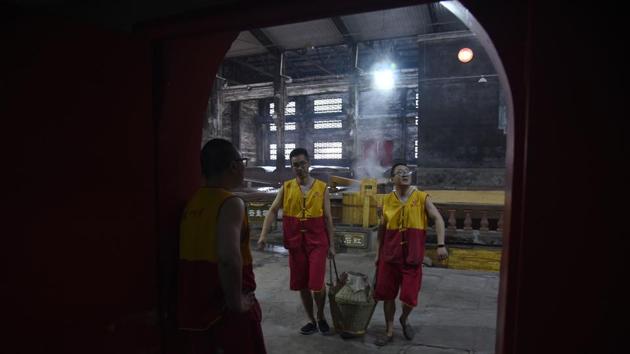
Workers collect freshly distilled baijiu. Water, soil, climate and other factors make baijius from different regions as “different from each other as a whiskey is to a mescal,” said Bill Isler, CEO of Ming River, an export-only brand created by Luzhou Laojiao. But he says there is a “lot of prejudice” to overcome, before baijiu can follow once-obscure “local” spirits such as vodka and tequila and go global. (Hector Retamal / AFP)
10/14
 View Photos in a new improved layout
Updated on Jun 20, 2019 11:51 AM
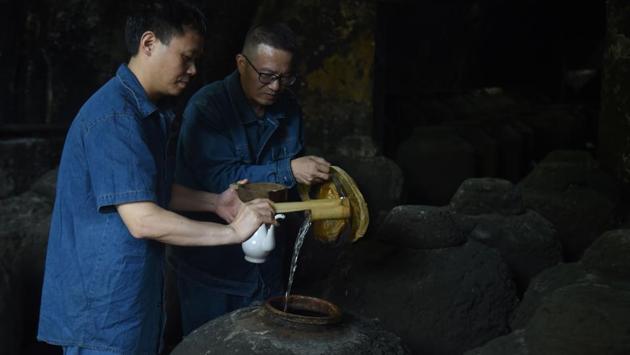
Workers inspect a container filled with baijiu liquor in a cave located in the hills of Luzhou. A wave of “baijiu bars” opened in China, the US, and Europe in recent years as a buzz swelled. But many have since closed. “It’s a challenge for the customers. It hasn’t really caught on in the West yet,” said Demon, Wise & Partners owner Paul Mathew. (Hector Retamal / AFP)
11/14
 View Photos in a new improved layout
Updated on Jun 20, 2019 11:51 AM
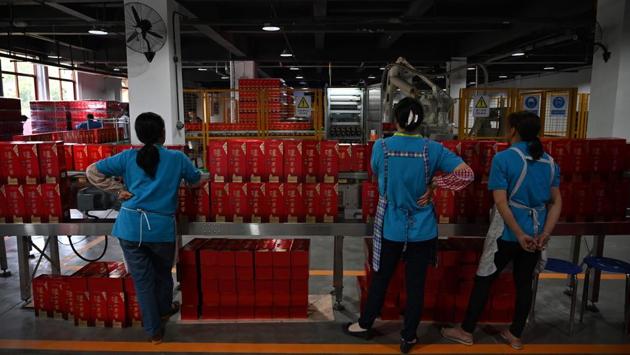
Employees inspect baijiu liquor on a production line at the Luzhou Loajian bottling plant. The price of top brands is one hurdle. Mathew charges 12 pounds ($15) for a glass of Kweichow Moutai. “It is also a very unfamiliar flavour for guests, so we need to tell them the story, how baijiu is made, why it has the characteristics it has, before it becomes more accessible,” he said. (Hector Retamal / AFP)
12/14
 View Photos in a new improved layout
Updated on Jun 20, 2019 11:51 AM
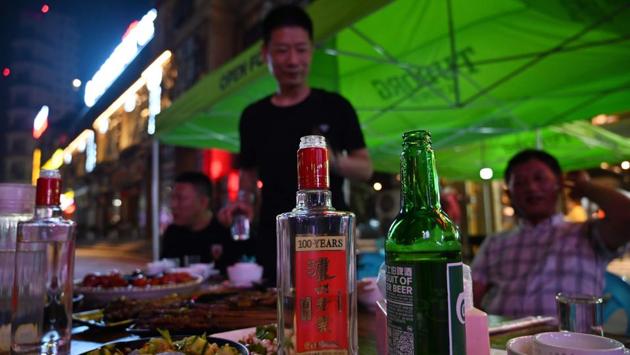
A bottle of baijiu liquor on a table while people enjoy dinner at a restaurant. Jim Boyce, a Beijing blogger on China’s booze scene who launched August 9 “World Baijiu Day” in 2015, said baijiu is hampered by how it’s consumed in China: straight up, with food. “The fact is, people, at least in North America and Europe, don’t drink lukewarm straight 52% alcohol,” he said. (Hector Retamal / AFP)
13/14
 View Photos in a new improved layout
Updated on Jun 20, 2019 11:51 AM
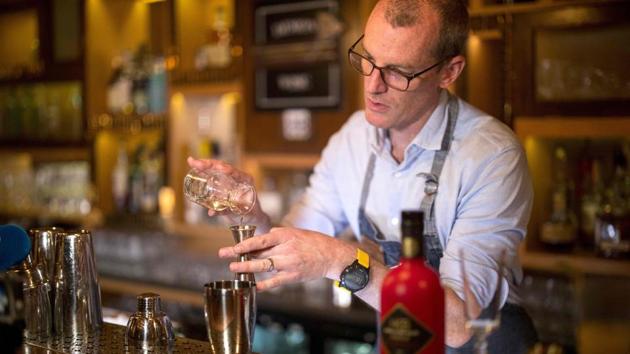
A barman prepares a cocktail with Baijiu Chinese spirit at a bar in central London. Boyce advocates creative cocktails or novelties like baijiu ice cream, suggestions that provoke blank stares from Chinese baijiu executives seeking his advice. “It’s been frustrating, frankly,” he added. (Tolga Akmen / AFP)
14/14
 View Photos in a new improved layout
Updated on Jun 20, 2019 11:51 AM


