
 E-Paper



Photos: Caring alone for two small girls, Texas father grapples with loss
In Texas, Zak Tiemann, 34-year-old father takes care of his daughters after their mother’s death. His wife Garcia - whose family says she died after she suffered a blood clot - was one of an estimated 700 women who die of pregnancy-related complications each year in the United States, the highest rate in the developed world, and U.S. maternal deaths have been rising over the last two decades.
Updated on: Dec 10, 2019 12:47 PM IST


Share via


Copy link

1/8
 View Photos in a new improved layout
Updated on Dec 10, 2019 12:47 PM
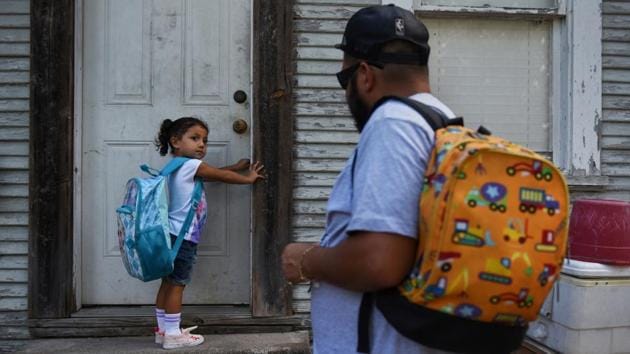
Zayleeana Tiemann, who recently turned 3, tries on her backpack before her first day of school in Seguin, Texas. Zak Tiemann picked up his daughters from school early this Halloween. They were beaming with excitement as they donned their “Frozen” costumes and went trick-or-treating in their small hometown. But for their 34-year old father family occasions have been bittersweet. The girls’ mother, Amanda Garcia, died three years ago just days after giving birth to Zayleeana. She was 26 years old. (Callaghan O'Hare / REUTERS)
2/8
 View Photos in a new improved layout
Updated on Dec 10, 2019 12:47 PM
Zak Tiemann helps his daughter to carry her candy bucket. “I just feel like they’re missing something,” Tiemann said. “Even though I’m doing the best I can... they still need a woman that’s going to show them how to go about stuff in life.” (Callaghan O'Hare / REUTERS)
3/8
 View Photos in a new improved layout
Updated on Dec 10, 2019 12:47 PM
Zak Tiemann rests on the couch while his children play at their home. Tiemann has since fathered a third child, Zay’dyn, 1, with another woman, although he said she is not consistently involved in the care of his two daughters. (Callaghan O'Hare / REUTERS)
4/8
 View Photos in a new improved layout
Updated on Dec 10, 2019 12:47 PM
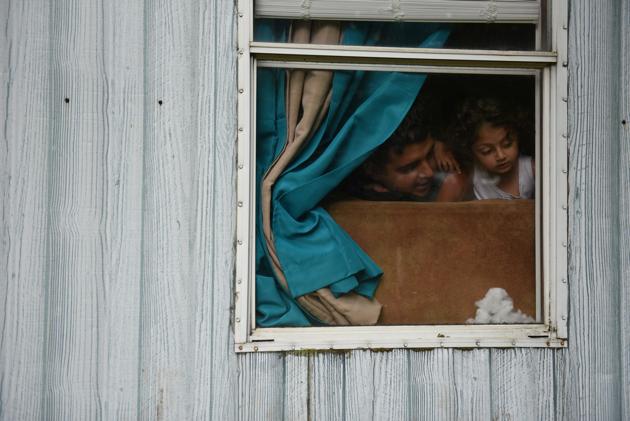
Garcia - whose family say she died after she suffered a blood clot - was one of an estimated 700 women who die of pregnancy-related complications each year in the United States, according to data from the Centers for Disease Control and Prevention. That is the highest rate in the developed world, and U.S. maternal deaths have been rising over the last two decades, according to investigations by ProPublica and NPR. (Callaghan O'Hare / REUTERS)
5/8
 View Photos in a new improved layout
Updated on Dec 10, 2019 12:47 PM
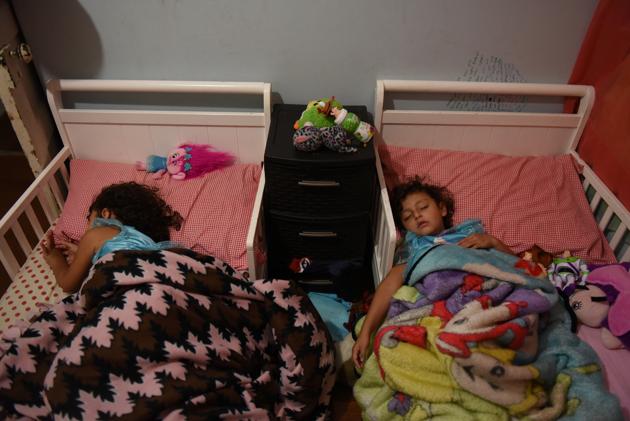
Zayleeana Tiemann, who recently turned 3, and her sister Zoey, 4, sleep before their first day of school. After Garcia’s death, Tiemann had to step into an unfamiliar role, one he said he was not prepared for. “I buy products for their hair, I buy little rubber bands,” he said. “I’ve tried to paint their nails sometimes.” The feeling of inadequacy weighs on him daily. (Callaghan O'Hare / REUTERS)
6/8
 View Photos in a new improved layout
Updated on Dec 10, 2019 12:47 PM
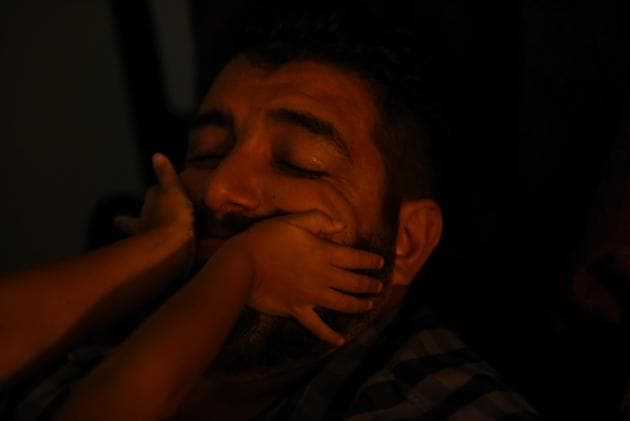
Advocates, healthcare professionals and lawmakers have long been sounding the alarm on the high rates of maternal mortality and the effect on women of color, who are approximately three to four times more likely to die from pregnancy-related issues. “It’s abysmal. I mean, we’re worse than some Third World countries,” said Shawn Thierry, a Democratic member of the Texas House of Representatives and the sponsor of numerous bills on the issue. (Callaghan O'Hare / REUTERS)
7/8
 View Photos in a new improved layout
Updated on Dec 10, 2019 12:47 PM
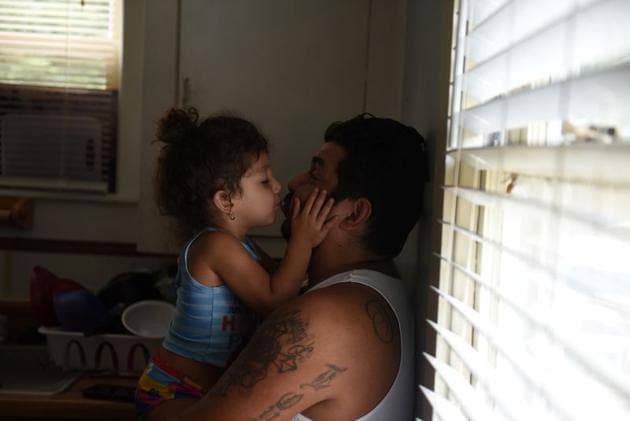
Zayleeana Tiemann gives her father a kiss on Father's Day at their home. For every 100,000 live births in Texas, there are 14.6 maternal deaths, according to the most recent data by the state’s Maternal Mortality and Morbidity Review Committee. As in the rest of the country, women of color are disproportionately affected. Elizabeth Warren, the U.S. Senator for Massachusetts who is running for president, has made improving maternal health a big part of her 2020 campaign. (Callaghan O'Hare / REUTERS)
8/8
 View Photos in a new improved layout
Updated on Dec 10, 2019 12:47 PM


